
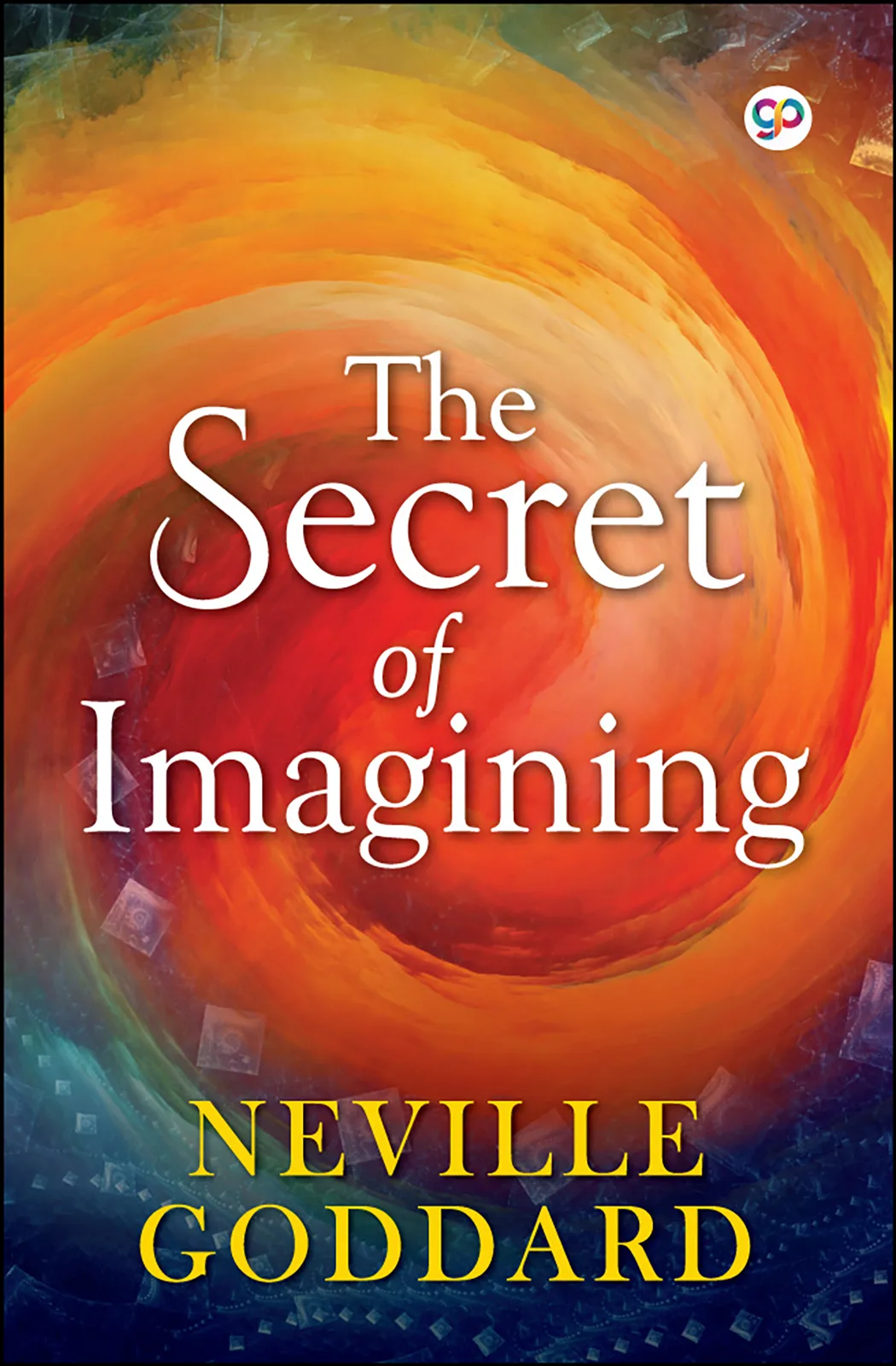
The Secret of Imagining
Paperback
• 56 Pages
• INR 245.00
• English
• 9789354991271
No ratings yet
| Publisher | General Press |
|---|---|
| ISBN13 | 9789354991271 |
| ASIN/SKU | 9354991270 |
| Book Format | Paperback |
| Language | English |
| Pages | 56 |
| List Price | INR 245.00 |
| Subject Code | OCC014000, OCC031000, OCC019000 |
| Publishing Date | 27/09/2021 |
| Dimensions | 8.25 x 5.25 x 1.0 inches |
| Book Code | BD00067611 |
Buy this Book
Amazon Stores
Ebook Stores
Other Stores
Discover The Secret of Imagining by Neville Goddard. This book is published by General Press in Paperback format, ISBN 9789354991271, ASIN 9354991270, under Self-Help, Motivational, New Thought.
Book Description
The world around us is different than we understand it to be in almost every situation. So why should we be so skeptical and incredulous? Life calls on us to believe not less, but more. The Secret of Imagining is the greatest of all problems. Supreme power, wisdom, and delight lie in the solution to this mystery.
Author Biography
Neville Lancelot Goddard (1905–1972) was a prominent and highly influential teacher in the New Thought movement, best known for his philosophy on the creative power of the human imagination. Born in St. Michael, Barbados, Goddard moved to New York City in 1922 to study drama. While working as a dancer and actor, his interests shifted toward mysticism after meeting an eccentric Ethiopian rabbi named Abdullah, who mentored him in Kabbalah, esoteric Christianity, and the psychological interpretation of scripture.
Leaving the theater behind, Neville dedicated his life to teaching what he termed "The Law of Assumption"—the principle that one can manifest their desires by vividly assuming the feeling of the wish fulfilled. Unlike many of his contemporaries, he taught that the Bible was not a historical record but a psychological drama mapping the evolution of human consciousness, asserting that the divine creator is the human imagination itself.
Throughout the mid-20th century, he delivered hundreds of unscripted lectures across the United States and authored foundational metaphysical classics, including Feeling is the Secret and The Power of Awareness. Today, Goddard’s visionary teachings continue to experience a massive resurgence, profoundly shaping modern self-help, spirituality, and manifestation philosophies.
Leaving the theater behind, Neville dedicated his life to teaching what he termed "The Law of Assumption"—the principle that one can manifest their desires by vividly assuming the feeling of the wish fulfilled. Unlike many of his contemporaries, he taught that the Bible was not a historical record but a psychological drama mapping the evolution of human consciousness, asserting that the divine creator is the human imagination itself.
Throughout the mid-20th century, he delivered hundreds of unscripted lectures across the United States and authored foundational metaphysical classics, including Feeling is the Secret and The Power of Awareness. Today, Goddard’s visionary teachings continue to experience a massive resurgence, profoundly shaping modern self-help, spirituality, and manifestation philosophies.
Editorial Reviews
Editorial Reviews will be added soon…
Book Summary
Neville Goddard’s The Secret of Imagining explores one of the central ideas that runs through much of his work: imagination is not merely a source of fantasy, but a powerful creative faculty through which people can shape their experience of life. Goddard asks readers to reconsider the way they think about themselves, their circumstances, their relationships, and their future. Instead of treating external events as completely fixed realities that control our lives, he suggests that our inner world plays a fundamental role in determining what we experience. The book’s central message is both simple and challenging: if we learn to consciously imagine the life we desire and emotionally experience that imagined reality as already true, we can begin to transform our lives.
For Goddard, imagination is closely connected with identity. People often imagine without realizing it. They replay conversations, anticipate problems, worry about the future, remember unpleasant experiences, and mentally rehearse situations they fear. In doing so, they may unknowingly strengthen the very conditions they wish to escape. Goddard therefore encourages readers to become more conscious of their inner conversations. Instead of allowing the imagination to wander according to fear or habit, a person should deliberately direct it toward the circumstances and qualities they want to experience.
One of the most important principles in the book is the idea that imagination should be used from the standpoint of fulfillment rather than desire. There is a significant difference between imagining that something might happen someday and imagining from the feeling that it has already happened. Goddard asks the reader to mentally enter the desired situation and experience it as present reality. If someone wants a new career, for example, they should not merely picture themselves hoping to get the job. They might instead imagine a scene that would naturally occur after receiving it—a conversation with a friend, a congratulatory message, or the feeling of sitting at their new workplace. The imagined event becomes a mental experience of fulfillment.
This idea is closely connected with Goddard’s famous concept of the “end.” Rather than becoming obsessed with the steps required to reach a goal, he suggests focusing on the final state one wants to experience. The mind is encouraged to move beyond the question of “How will this happen?” and concentrate on “What would I experience if it had already happened?” This shift is important because it changes the emotional position from longing to possession. Instead of constantly reminding oneself that something is missing, the person practices experiencing it inwardly as though it has already become part of life.
Goddard places considerable importance on feeling. However, his idea of feeling is not simply about generating excitement or forcing oneself to be cheerful. It is more closely related to the natural sense of reality that accompanies an accepted belief. When something is truly believed, a person does not need to constantly convince themselves that it is real. It simply feels familiar. Goddard encourages readers to cultivate this sense of familiarity with their desired circumstances. The imagined future should gradually become so natural internally that it no longer feels impossible or foreign.
The book also emphasizes the power of mental images and short imagined scenes. Goddard does not suggest creating elaborate fantasies for hours. Instead, a person can construct a brief, simple scene that implies the fulfillment of a desire and repeat it until it becomes emotionally convincing. A scene might last only a few seconds in imagination, but it can be revisited repeatedly, especially during relaxed moments before sleep. The purpose is not mechanical repetition but absorption—the gradual acceptance of the imagined condition as psychologically real.
Another major theme is the importance of self-concept. Goddard argues that people tend to experience life in ways that correspond with the identity they have accepted for themselves. If someone continually thinks of themselves as unsuccessful, unwanted, powerless, or unlucky, their expectations and behavior may naturally reflect that identity. Conversely, if they begin to imagine themselves as confident, capable, valued, and successful, their responses to circumstances can change. The transformation therefore begins not only with changing what one wants but with changing who one believes oneself to be.
This principle becomes especially relevant when dealing with difficult circumstances. Goddard does not encourage readers to deny that unpleasant events exist. Instead, he proposes changing the mental relationship to them. If a person is facing an unwanted situation, they can imagine the opposite outcome and mentally experience the relief and satisfaction associated with it. Rather than continually discussing the problem internally, they can rehearse the resolution. In Goddard’s framework, imagination becomes a place where a new possibility can first be experienced before it appears externally.
The role of persistence is equally important. A single imaginative exercise is not presented as a magical shortcut. Goddard repeatedly stresses the importance of returning to the desired state whenever doubt or contradictory circumstances appear. The external world may seem to contradict the new assumption, but he encourages the reader not to surrender the inner experience simply because immediate evidence has not changed. Persistence means repeatedly choosing the desired mental state until it becomes more natural than the old pattern of thinking.
Goddard’s discussion of imagination is also deeply connected with his spiritual understanding of consciousness. He presents imagination as an expression of a divine creative power within the individual. His interpretation of biblical stories differs considerably from traditional religious readings. He often treats biblical characters and events as symbols of psychological and spiritual processes rather than merely historical accounts. In this framework, the creative power traditionally attributed to God is also present within human consciousness. The individual participates in creation through imagination and assumption.
This spiritual dimension gives the book a deeper purpose. Goddard is not simply teaching readers how to obtain possessions or achieve personal goals. He believes conscious imagination can lead to a transformation of the entire personality. As people learn to choose their thoughts more carefully, they become less dependent on circumstances for their sense of identity. They begin to understand that their inner life deserves attention and discipline. Imagination becomes a means of personal freedom.
At the same time, modern readers may interpret Goddard’s claims differently from the way he intended them. His philosophy can sound as though imagining something guarantees that it will happen exactly as desired. In practical life, however, circumstances are influenced by countless factors outside individual control. Imagination cannot reasonably be treated as a substitute for effort, planning, knowledge, or action. Its most useful interpretation may be as a method of directing attention, strengthening belief, changing emotional patterns, and encouraging behavior consistent with one’s goals.
Ultimately, The Secret of Imagining is a book about the hidden influence of the inner world. Neville Goddard invites readers to become more deliberate about the stories they tell themselves and the futures they mentally rehearse. His message is that imagination is always active, whether we use it consciously or unconsciously, so we should learn to use it intentionally. By imagining from the end, cultivating the feeling of fulfillment, developing a healthier self-concept, and persisting in the chosen state, a person can begin to relate to life in a fundamentally different way. The enduring appeal of Goddard’s work lies in this invitation to recognize the creative potential of consciousness: before a different life can become visible in the world, it can first be experienced, rehearsed, and accepted within the mind.
For Goddard, imagination is closely connected with identity. People often imagine without realizing it. They replay conversations, anticipate problems, worry about the future, remember unpleasant experiences, and mentally rehearse situations they fear. In doing so, they may unknowingly strengthen the very conditions they wish to escape. Goddard therefore encourages readers to become more conscious of their inner conversations. Instead of allowing the imagination to wander according to fear or habit, a person should deliberately direct it toward the circumstances and qualities they want to experience.
One of the most important principles in the book is the idea that imagination should be used from the standpoint of fulfillment rather than desire. There is a significant difference between imagining that something might happen someday and imagining from the feeling that it has already happened. Goddard asks the reader to mentally enter the desired situation and experience it as present reality. If someone wants a new career, for example, they should not merely picture themselves hoping to get the job. They might instead imagine a scene that would naturally occur after receiving it—a conversation with a friend, a congratulatory message, or the feeling of sitting at their new workplace. The imagined event becomes a mental experience of fulfillment.
This idea is closely connected with Goddard’s famous concept of the “end.” Rather than becoming obsessed with the steps required to reach a goal, he suggests focusing on the final state one wants to experience. The mind is encouraged to move beyond the question of “How will this happen?” and concentrate on “What would I experience if it had already happened?” This shift is important because it changes the emotional position from longing to possession. Instead of constantly reminding oneself that something is missing, the person practices experiencing it inwardly as though it has already become part of life.
Goddard places considerable importance on feeling. However, his idea of feeling is not simply about generating excitement or forcing oneself to be cheerful. It is more closely related to the natural sense of reality that accompanies an accepted belief. When something is truly believed, a person does not need to constantly convince themselves that it is real. It simply feels familiar. Goddard encourages readers to cultivate this sense of familiarity with their desired circumstances. The imagined future should gradually become so natural internally that it no longer feels impossible or foreign.
The book also emphasizes the power of mental images and short imagined scenes. Goddard does not suggest creating elaborate fantasies for hours. Instead, a person can construct a brief, simple scene that implies the fulfillment of a desire and repeat it until it becomes emotionally convincing. A scene might last only a few seconds in imagination, but it can be revisited repeatedly, especially during relaxed moments before sleep. The purpose is not mechanical repetition but absorption—the gradual acceptance of the imagined condition as psychologically real.
Another major theme is the importance of self-concept. Goddard argues that people tend to experience life in ways that correspond with the identity they have accepted for themselves. If someone continually thinks of themselves as unsuccessful, unwanted, powerless, or unlucky, their expectations and behavior may naturally reflect that identity. Conversely, if they begin to imagine themselves as confident, capable, valued, and successful, their responses to circumstances can change. The transformation therefore begins not only with changing what one wants but with changing who one believes oneself to be.
This principle becomes especially relevant when dealing with difficult circumstances. Goddard does not encourage readers to deny that unpleasant events exist. Instead, he proposes changing the mental relationship to them. If a person is facing an unwanted situation, they can imagine the opposite outcome and mentally experience the relief and satisfaction associated with it. Rather than continually discussing the problem internally, they can rehearse the resolution. In Goddard’s framework, imagination becomes a place where a new possibility can first be experienced before it appears externally.
The role of persistence is equally important. A single imaginative exercise is not presented as a magical shortcut. Goddard repeatedly stresses the importance of returning to the desired state whenever doubt or contradictory circumstances appear. The external world may seem to contradict the new assumption, but he encourages the reader not to surrender the inner experience simply because immediate evidence has not changed. Persistence means repeatedly choosing the desired mental state until it becomes more natural than the old pattern of thinking.
Goddard’s discussion of imagination is also deeply connected with his spiritual understanding of consciousness. He presents imagination as an expression of a divine creative power within the individual. His interpretation of biblical stories differs considerably from traditional religious readings. He often treats biblical characters and events as symbols of psychological and spiritual processes rather than merely historical accounts. In this framework, the creative power traditionally attributed to God is also present within human consciousness. The individual participates in creation through imagination and assumption.
This spiritual dimension gives the book a deeper purpose. Goddard is not simply teaching readers how to obtain possessions or achieve personal goals. He believes conscious imagination can lead to a transformation of the entire personality. As people learn to choose their thoughts more carefully, they become less dependent on circumstances for their sense of identity. They begin to understand that their inner life deserves attention and discipline. Imagination becomes a means of personal freedom.
At the same time, modern readers may interpret Goddard’s claims differently from the way he intended them. His philosophy can sound as though imagining something guarantees that it will happen exactly as desired. In practical life, however, circumstances are influenced by countless factors outside individual control. Imagination cannot reasonably be treated as a substitute for effort, planning, knowledge, or action. Its most useful interpretation may be as a method of directing attention, strengthening belief, changing emotional patterns, and encouraging behavior consistent with one’s goals.
Ultimately, The Secret of Imagining is a book about the hidden influence of the inner world. Neville Goddard invites readers to become more deliberate about the stories they tell themselves and the futures they mentally rehearse. His message is that imagination is always active, whether we use it consciously or unconsciously, so we should learn to use it intentionally. By imagining from the end, cultivating the feeling of fulfillment, developing a healthier self-concept, and persisting in the chosen state, a person can begin to relate to life in a fundamentally different way. The enduring appeal of Goddard’s work lies in this invitation to recognize the creative potential of consciousness: before a different life can become visible in the world, it can first be experienced, rehearsed, and accepted within the mind.
Sample Chapters
The Secret of Imagining
In almost every particular is the world about us different from what we think it. Why then should we be so incredulous? Life calls on us to believe not less, but more. The secret of imaging is the greatest of all problems, to the solution of which everyone should aspire, for supreme power, supreme wisdom, supreme delight lie in the solution of this mystery.
If you have solved the mystery of imagining you have found Jesus Christ. Jesus Christ is defined for us in scripture as “The power of God and the wisdom of God” (First Corinthians 1:24). As we are told in the eighth chapter of the Book of Proverbs,—and Wisdom is speaking now, personified as a little child:
“When He laid out the foundation of the world
I was beside Him like a little child
I was daily His delight,
rejoicing before Him always
rejoicing in His inhabited world,
delighting in the affairs of men.
He who finds me finds life
He who misses me injures himself;
All who hate me love death.”
—Proverbs 8:29-31, 35, 36
So find that child that is the symbol of Jesus Christ, who is the creative power and the wisdom of God. Believe me when I tell you that this Jesus Christ of scripture is your own wonderful human imagination. “By him all things were made, and without him was not anything made that was made” (John 1:3). He is in the world, and the world was made by Him, and the world knows Him not.
Look into the world and name one thing that wasn’t first imagined. You name one thing that does not now exist in your imagination—just name it. Name anything in the world that does not now exist in your imagination: “All things exist in the human imagination.” (from “Jerusalem” by William Blake)
“God is man, and exists in us and we in Him” (from “Annotations to Berkeley” by William Blake). The eternal abode of man is the imagination; and that is God Himself. Try to disprove it.
In almost every particular is the world about us different from what we think it. Why then should we be so incredulous? Life calls on us to believe not less, but more. The secret of imaging is the greatest of all problems, to the solution of which everyone should aspire, for supreme power, supreme wisdom, supreme delight lie in the solution of this mystery.
If you have solved the mystery of imagining you have found Jesus Christ. Jesus Christ is defined for us in scripture as “The power of God and the wisdom of God” (First Corinthians 1:24). As we are told in the eighth chapter of the Book of Proverbs,—and Wisdom is speaking now, personified as a little child:
“When He laid out the foundation of the world
I was beside Him like a little child
I was daily His delight,
rejoicing before Him always
rejoicing in His inhabited world,
delighting in the affairs of men.
He who finds me finds life
He who misses me injures himself;
All who hate me love death.”
—Proverbs 8:29-31, 35, 36
So find that child that is the symbol of Jesus Christ, who is the creative power and the wisdom of God. Believe me when I tell you that this Jesus Christ of scripture is your own wonderful human imagination. “By him all things were made, and without him was not anything made that was made” (John 1:3). He is in the world, and the world was made by Him, and the world knows Him not.
Look into the world and name one thing that wasn’t first imagined. You name one thing that does not now exist in your imagination—just name it. Name anything in the world that does not now exist in your imagination: “All things exist in the human imagination.” (from “Jerusalem” by William Blake)
“God is man, and exists in us and we in Him” (from “Annotations to Berkeley” by William Blake). The eternal abode of man is the imagination; and that is God Himself. Try to disprove it.
Reader Reviews
No reviews yet.
The Secret of Imagining
Download Cover Image
Do you want to download the full cover image for The Secret of Imagining?