
Incidents in the Life of a Slave Girl
Hardcover
• 256 Pages
• INR 395.00
• English
• 9789354995378
No ratings yet
| Publisher | General Press |
|---|---|
| ISBN13 | 9789354995378 |
| ASIN/SKU | 9354995373 |
| Book Format | Hardcover |
| Language | English |
| Pages | 256 |
| List Price | INR 395.00 |
| Subject Code | SOC072000, BIO002010, HIS056000, SOC032000 |
| Publishing Date | 15/12/2022 |
| Dimensions | 8.25 x 5.25 x 1.0 inches |
| Book Code | BD00067801 |
Buy this Book
Amazon Stores
Ebook Stores
Other Stores
Discover Incidents in the Life of a Slave Girl by Harriet Jacobs. This book is published by General Press in Hardcover format, ISBN 9789354995378, ASIN 9354995373, under Biographies and Memoirs, Autobiographies, African American History.
Book Description
Incidents in the Life of a Slave Girl' is a powerful and compelling story of Harriet Jacobs whose dauntless spirit and faith carried her from a life of servitude and degradation in North Carolina to liberty and reunion with her children in the North. This is one of the few slave narratives written by a woman. Jacobs writes frankly of the horrors she suffered as a slave, her eventual escape after several unsuccessful attempts, and her seven years in self-imposed exile, hiding in a coffin-like ‘garret’ attached to her grandmother's porch.
Slavery is a terrible thing, but it is far more terrible and harrowing for women than for men. Harriet Jacobs was owned by a brutal master who beat his slaves regularly and subjected them to indignations that were far worse. Jacobs eventually escaped her master and moved to a northern state. Though she was unable to take her children with her at the time they were later reunited.
Slavery is a terrible thing, but it is far more terrible and harrowing for women than for men. Harriet Jacobs was owned by a brutal master who beat his slaves regularly and subjected them to indignations that were far worse. Jacobs eventually escaped her master and moved to a northern state. Though she was unable to take her children with her at the time they were later reunited.
Author Biography
Harriet Ann Jacobs (1813-1897) was an African American writer, who was born into slavery, but managed to gain her freedom. She was a reformer and an abolitionist speaker. In addition, under the name Linda Brent, she wrote Incidents in the Life of a Slave Girl, one of the first autobiographies about living in slavery. That narrative included her accounts of the sexual abuse female slaves suffered, as well as the struggle for freedom.
Editorial Reviews
Editorial Reviews will be added soon…
Book Summary
Harriet Jacobs’s Incidents in the Life of a Slave Girl, published in 1861 under the pseudonym Linda Brent, is one of the most powerful autobiographical accounts of slavery in American literature. Written from the perspective of an enslaved woman, the book exposes the cruelty of slavery while paying particular attention to experiences that were often overlooked in accounts written by men, especially sexual exploitation, the destruction of family life, and the impossible choices forced upon enslaved mothers.
Jacobs begins by describing her childhood in North Carolina. She is fortunate for a time to have a relatively kind grandmother and loving family members around her. As a child, she does not fully understand that she is considered property. She remembers having affection, family connections, and hopes for the future. That sense of security disappears as she grows older and becomes more aware of what slavery means.
After the death of her mother, Jacobs is placed under the control of relatives of her former owner. Eventually she comes into the household of Dr. Flint, the man she identifies in the narrative as her master. Flint is cruel, controlling, and sexually predatory. As Jacobs grows into womanhood, he begins making unwanted advances toward her. She is trapped because, under slavery, she has virtually no legal protection. She cannot simply leave, marry freely, or demand that her dignity be respected.
Jacobs emphasizes that the sexual exploitation of enslaved women is not a series of isolated personal acts but a consequence of the slave system itself. Enslaved women are denied control over their own bodies and family lives. Flint uses his power to threaten, intimidate, and manipulate Jacobs, while society offers her little protection.
This part of the narrative is especially important because Jacobs wants readers to understand that enslaved women faced a different set of dangers from enslaved men. She writes openly about sexual harassment and coercion because she wants Northern readers, particularly white women, to understand what slavery did to women who had no legal or social power.
Jacobs eventually makes a painful decision. Hoping to escape Flint’s control, she enters a relationship with Mr. Sands, a white man who is not her master. She later has two children, Benny and Ellen. Jacobs does not present this decision as romantic or ideal. Instead, she explains the limited choices available to an enslaved woman. Her actions are shaped by her desperate desire to protect herself and, eventually, her children.
Her children become the center of her life. Motherhood gives Jacobs both extraordinary strength and profound anxiety. She knows that Flint can claim control over her children because they are legally considered enslaved property. She fears that they may be sold, abused, or separated from her.
When Flint attempts to manipulate her through her children, Jacobs realizes that simply remaining in the household will not protect them. She eventually makes the decision to escape.
But Jacobs does not immediately flee to the North. Instead, she hides in an extraordinarily small space above her grandmother’s home, a cramped hiding place that she calls the “loophole of retreat.” The space is so narrow that she can barely move. She remains there for nearly seven years.
This period is among the most emotionally powerful sections of the book. Jacobs is technically hidden from Flint, but she is not free. She experiences intense physical discomfort, limited movement, illness, loneliness, and uncertainty. Yet the hiding place allows her to remain close enough to observe her children and protect them indirectly.
Her confinement reveals the terrible paradox of slavery: to obtain even a limited form of freedom, she must sacrifice her physical freedom. She chooses imprisonment because it offers a possibility of protecting her children from a worse fate.
During these years, Jacobs watches her children grow through a small opening. She sees them but cannot openly embrace them. Her grandmother and others help care for them, but Jacobs must remain hidden. Her emotional suffering is as significant as her physical suffering.
Eventually, Jacobs’s escape plan succeeds with help from friends and supporters. She travels north and ultimately reaches New York. However, she discovers that escaping the South does not automatically mean being safe. Under the Fugitive Slave Law, enslaved people who escaped to free states could still be captured and returned to slavery.
In New York, Jacobs finds work and gradually builds a new life. She becomes connected with abolitionists and supporters of the antislavery movement. She also experiences the continuing fear that Dr. Flint may discover her whereabouts.
One of the most moving aspects of the book is Jacobs’s relationship with her grandmother. Her grandmother represents strength, moral courage, faith, and family devotion. Although slavery repeatedly attempts to destroy family bonds, Jacobs and her grandmother demonstrate the extraordinary determination of enslaved people to preserve love and dignity under brutal conditions.
Jacobs also refuses to portray enslaved people as helpless victims. Her narrative is filled with acts of resistance. Sometimes resistance means physically escaping; at other times it means secretly protecting children, refusing to cooperate with an abusive master, preserving family relationships, telling the truth, or finding ways to maintain personal dignity.
The book also contains a strong criticism of American Christianity and social hypocrisy. Jacobs observes that some people who publicly describe themselves as devout Christians participate in or benefit from slavery. She contrasts genuine Christian compassion with the cruelty practiced by slaveholders who justify themselves through religion.
Her appeal is especially directed toward Northern readers. Jacobs wants them to recognize that slavery is not simply a political question. It is a human catastrophe affecting bodies, families, marriages, motherhood, faith, and personal identity.
Ultimately, Incidents in the Life of a Slave Girl is a story of survival and the pursuit of freedom, but it is also a story about motherhood. Jacobs repeatedly risks herself because she wants her children to have a future beyond slavery. Her personal freedom matters to her, but their freedom matters even more.
The book ends without pretending that emancipation immediately repairs everything slavery has destroyed. Jacobs understands that freedom must include safety, family, dignity, and the ability to control one's own life. Her greatest achievement is therefore not simply escaping slavery but telling the truth about it.
Through a quiet but remarkably courageous voice, Jacobs reveals the human cost of a system that treated people as property. Her story shows that slavery did not merely take away physical freedom. It attempted to control love, sexuality, family, motherhood, movement, and hope.
The enduring power of Incidents in the Life of a Slave Girl lies in Jacobs’s insistence on being seen as a complete human being rather than as a piece of property. Her story transforms the abstract idea of slavery into the intimate reality of one woman fighting to protect her children, preserve her dignity, and claim the right to determine her own life.
In the end, Jacobs’s narrative is both a testimony and an act of resistance. By telling her story, she ensures that the suffering and courage of enslaved women cannot be erased. Her journey from captivity toward freedom demonstrates that even under conditions designed to destroy hope, love, courage, memory, and the desire for freedom can survive.
Jacobs begins by describing her childhood in North Carolina. She is fortunate for a time to have a relatively kind grandmother and loving family members around her. As a child, she does not fully understand that she is considered property. She remembers having affection, family connections, and hopes for the future. That sense of security disappears as she grows older and becomes more aware of what slavery means.
After the death of her mother, Jacobs is placed under the control of relatives of her former owner. Eventually she comes into the household of Dr. Flint, the man she identifies in the narrative as her master. Flint is cruel, controlling, and sexually predatory. As Jacobs grows into womanhood, he begins making unwanted advances toward her. She is trapped because, under slavery, she has virtually no legal protection. She cannot simply leave, marry freely, or demand that her dignity be respected.
Jacobs emphasizes that the sexual exploitation of enslaved women is not a series of isolated personal acts but a consequence of the slave system itself. Enslaved women are denied control over their own bodies and family lives. Flint uses his power to threaten, intimidate, and manipulate Jacobs, while society offers her little protection.
This part of the narrative is especially important because Jacobs wants readers to understand that enslaved women faced a different set of dangers from enslaved men. She writes openly about sexual harassment and coercion because she wants Northern readers, particularly white women, to understand what slavery did to women who had no legal or social power.
Jacobs eventually makes a painful decision. Hoping to escape Flint’s control, she enters a relationship with Mr. Sands, a white man who is not her master. She later has two children, Benny and Ellen. Jacobs does not present this decision as romantic or ideal. Instead, she explains the limited choices available to an enslaved woman. Her actions are shaped by her desperate desire to protect herself and, eventually, her children.
Her children become the center of her life. Motherhood gives Jacobs both extraordinary strength and profound anxiety. She knows that Flint can claim control over her children because they are legally considered enslaved property. She fears that they may be sold, abused, or separated from her.
When Flint attempts to manipulate her through her children, Jacobs realizes that simply remaining in the household will not protect them. She eventually makes the decision to escape.
But Jacobs does not immediately flee to the North. Instead, she hides in an extraordinarily small space above her grandmother’s home, a cramped hiding place that she calls the “loophole of retreat.” The space is so narrow that she can barely move. She remains there for nearly seven years.
This period is among the most emotionally powerful sections of the book. Jacobs is technically hidden from Flint, but she is not free. She experiences intense physical discomfort, limited movement, illness, loneliness, and uncertainty. Yet the hiding place allows her to remain close enough to observe her children and protect them indirectly.
Her confinement reveals the terrible paradox of slavery: to obtain even a limited form of freedom, she must sacrifice her physical freedom. She chooses imprisonment because it offers a possibility of protecting her children from a worse fate.
During these years, Jacobs watches her children grow through a small opening. She sees them but cannot openly embrace them. Her grandmother and others help care for them, but Jacobs must remain hidden. Her emotional suffering is as significant as her physical suffering.
Eventually, Jacobs’s escape plan succeeds with help from friends and supporters. She travels north and ultimately reaches New York. However, she discovers that escaping the South does not automatically mean being safe. Under the Fugitive Slave Law, enslaved people who escaped to free states could still be captured and returned to slavery.
In New York, Jacobs finds work and gradually builds a new life. She becomes connected with abolitionists and supporters of the antislavery movement. She also experiences the continuing fear that Dr. Flint may discover her whereabouts.
One of the most moving aspects of the book is Jacobs’s relationship with her grandmother. Her grandmother represents strength, moral courage, faith, and family devotion. Although slavery repeatedly attempts to destroy family bonds, Jacobs and her grandmother demonstrate the extraordinary determination of enslaved people to preserve love and dignity under brutal conditions.
Jacobs also refuses to portray enslaved people as helpless victims. Her narrative is filled with acts of resistance. Sometimes resistance means physically escaping; at other times it means secretly protecting children, refusing to cooperate with an abusive master, preserving family relationships, telling the truth, or finding ways to maintain personal dignity.
The book also contains a strong criticism of American Christianity and social hypocrisy. Jacobs observes that some people who publicly describe themselves as devout Christians participate in or benefit from slavery. She contrasts genuine Christian compassion with the cruelty practiced by slaveholders who justify themselves through religion.
Her appeal is especially directed toward Northern readers. Jacobs wants them to recognize that slavery is not simply a political question. It is a human catastrophe affecting bodies, families, marriages, motherhood, faith, and personal identity.
Ultimately, Incidents in the Life of a Slave Girl is a story of survival and the pursuit of freedom, but it is also a story about motherhood. Jacobs repeatedly risks herself because she wants her children to have a future beyond slavery. Her personal freedom matters to her, but their freedom matters even more.
The book ends without pretending that emancipation immediately repairs everything slavery has destroyed. Jacobs understands that freedom must include safety, family, dignity, and the ability to control one's own life. Her greatest achievement is therefore not simply escaping slavery but telling the truth about it.
Through a quiet but remarkably courageous voice, Jacobs reveals the human cost of a system that treated people as property. Her story shows that slavery did not merely take away physical freedom. It attempted to control love, sexuality, family, motherhood, movement, and hope.
The enduring power of Incidents in the Life of a Slave Girl lies in Jacobs’s insistence on being seen as a complete human being rather than as a piece of property. Her story transforms the abstract idea of slavery into the intimate reality of one woman fighting to protect her children, preserve her dignity, and claim the right to determine her own life.
In the end, Jacobs’s narrative is both a testimony and an act of resistance. By telling her story, she ensures that the suffering and courage of enslaved women cannot be erased. Her journey from captivity toward freedom demonstrates that even under conditions designed to destroy hope, love, courage, memory, and the desire for freedom can survive.
Sample Chapters
Sample Chapters will be added soon…
Reader Reviews
No reviews yet.
Incidents in the Life of a Slave Girl
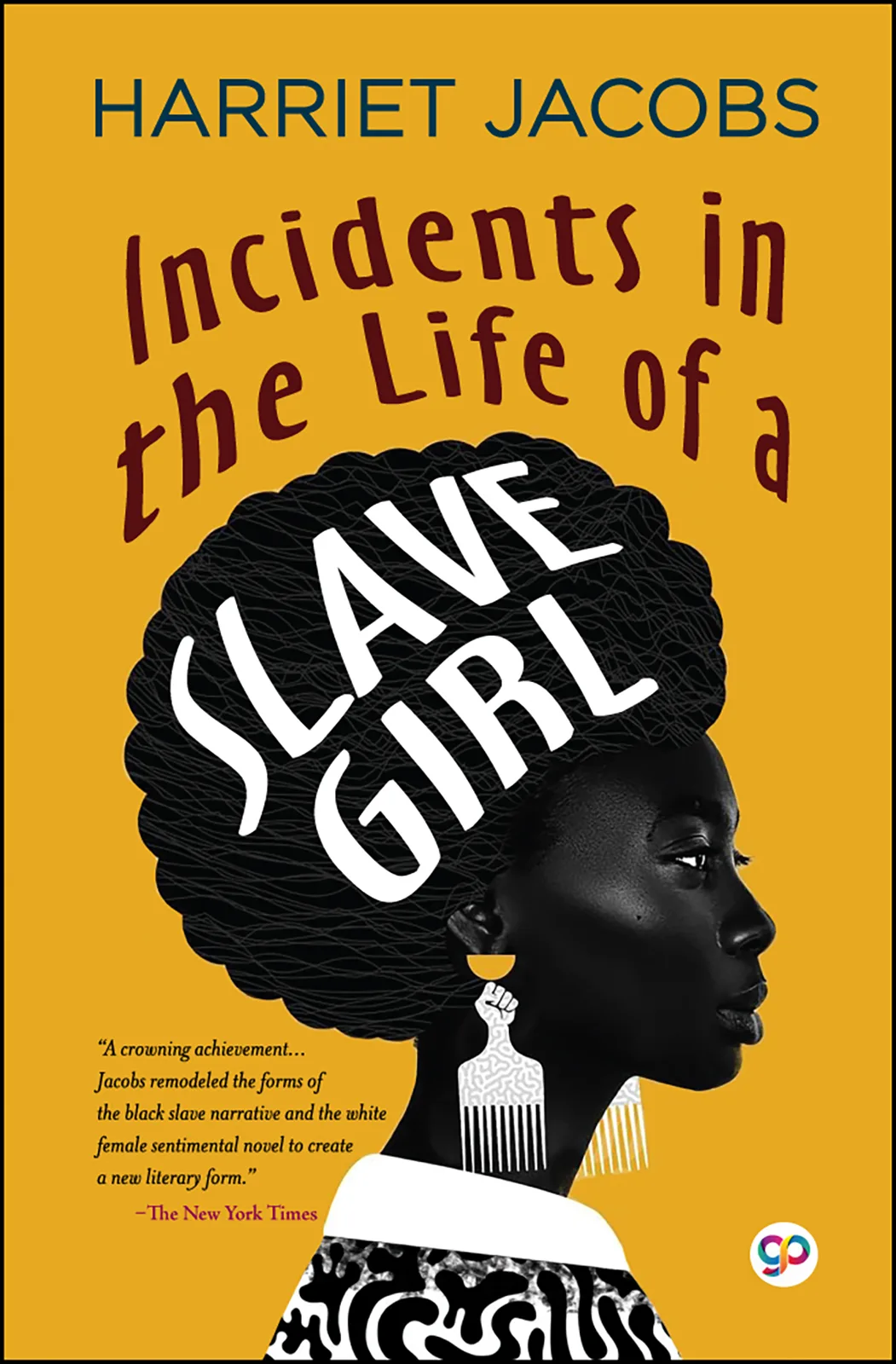
Download Cover Image
Do you want to download the full cover image for Incidents in the Life of a Slave Girl?