
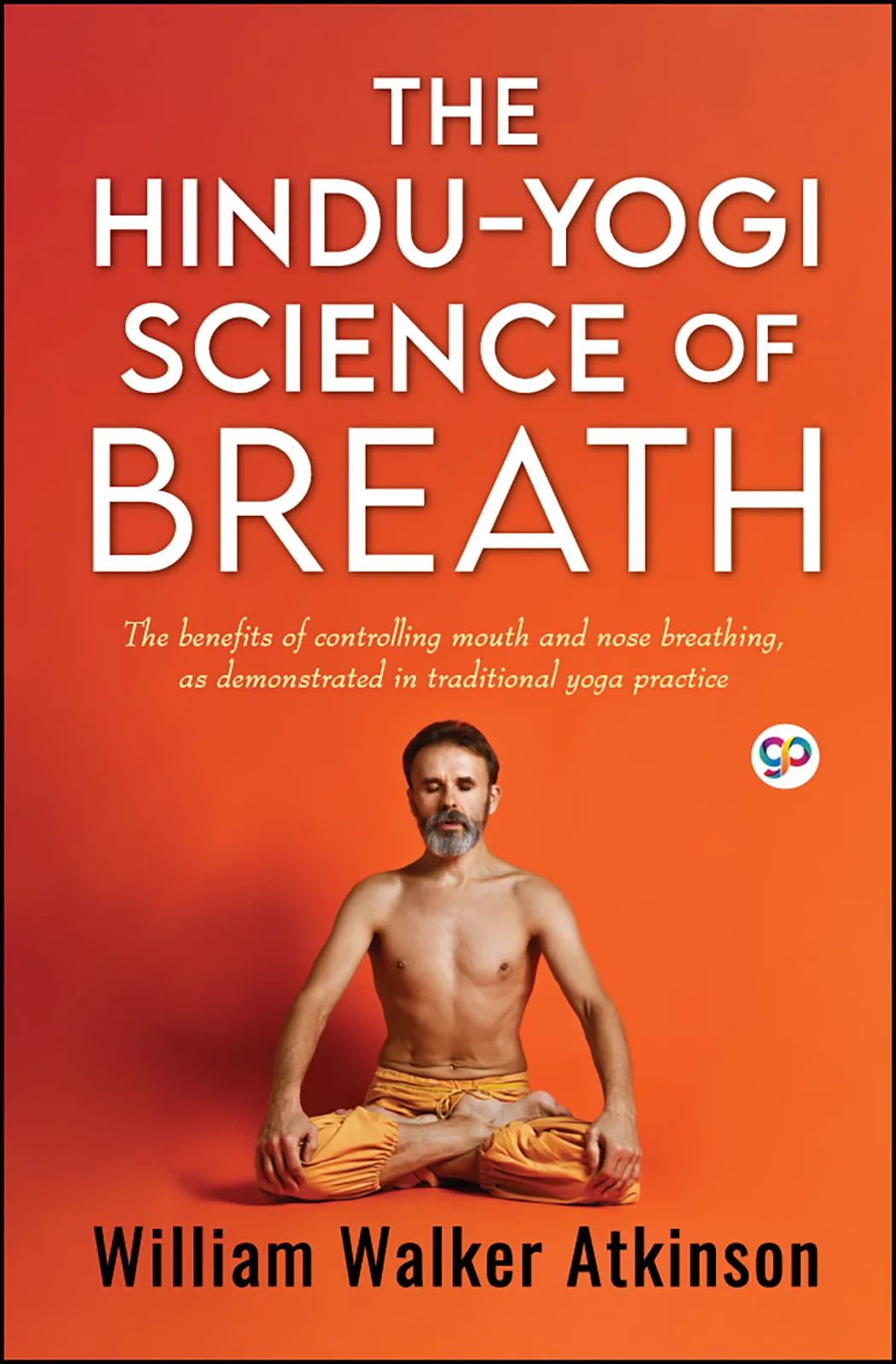
The Hindu-Yogi Science of Breath
Hardcover
• 104 Pages
• INR 245.00
• English
• 9789354995439
No ratings yet
| Publisher | General Press |
|---|---|
| ISBN13 | 9789354995439 |
| ASIN/SKU | 9354995438 |
| Book Format | Hardcover |
| Language | English |
| Pages | 104 |
| List Price | INR 245.00 |
| Subject Code | REL062000, OCC012000, HEA025000, HEA032000 |
| Publishing Date | 15/12/2022 |
| Dimensions | 8.25 x 5.25 x 1.0 inches |
| Book Code | BD00067805 |
Buy this Book
Amazon Stores
Ebook Stores
Other Stores
Discover The Hindu-Yogi Science of Breath by William Walker Atkinson. This book is published by General Press in Hardcover format, ISBN 9789354995439, ASIN 9354995438, under Health, Fitness and Dieting, Health.
Book Description
First published in 1903, ‘The Hindu-Yogi Science of Breath’ by William Walker Atkinson, an attorney, merchant, publisher, and author, as well as an occultist and an American pioneer of the New Thought movement.
Yogi's system of Complete Breathing is of vital importance to every man, woman, and child who wishes to acquire health and keep it. This book explains in layman's terms what happens inside our bodies when we inhale and then exhale. And the effects improper breathing has on both our internal and external extremities. It describes nature's proximity to the respiratory and circulatory systems. The final sections include invaluable Yogi breathing exercises for increased breathing awareness and better health.
“All is in vibration. From the tiniest atom to the greatest sun, everything is in a state of vibration. There is nothing in absolute rest in nature. A single atom deprived of vibration would wreck the universe. In incessant vibration, the universal work is performed.”
― William Walker Atkinson, The Science of Breathing
Yogi's system of Complete Breathing is of vital importance to every man, woman, and child who wishes to acquire health and keep it. This book explains in layman's terms what happens inside our bodies when we inhale and then exhale. And the effects improper breathing has on both our internal and external extremities. It describes nature's proximity to the respiratory and circulatory systems. The final sections include invaluable Yogi breathing exercises for increased breathing awareness and better health.
“All is in vibration. From the tiniest atom to the greatest sun, everything is in a state of vibration. There is nothing in absolute rest in nature. A single atom deprived of vibration would wreck the universe. In incessant vibration, the universal work is performed.”
― William Walker Atkinson, The Science of Breathing
Author Biography
Atkinson was a prolific writer, and his many books achieved wide circulation among New Thought devotees and occult practitioners. He published under several pen names, including Magus Incognito, Theodore Sheldon, Theron Q. Dumont, Swami Panchadasi, Yogi Ramacharaka, Swami Bhakta Vishita, and probably other names not identified at present. The works published under the name of William Walker Atkinson generally treat themes related to the mental world, occultism, divination, psychic reality, and mankind's nature. They constitute a basis for what Atkinson called ‘New Thought’. Due in part to Atkinson's intense personal secrecy and extensive use of pseudonyms, he is now largely forgotten, despite having obtained mention in past editions of Who's Who in America, Religious Leaders of America, and several similar publications—and having written more than 100 books in the last 30 years of his life. His works have remained in print more or less continuously since 1900.
Editorial Reviews
Editorial Reviews will be added soon…
Book Summary
The Hindu-Yogi Science of Breath by William Walker Atkinson, writing under the pseudonym Yogi Ramacharaka, is a classic work on the philosophy and practice of conscious breathing. First published in the early twentieth century, the book combines traditional yogic ideas with practical exercises intended to help readers develop greater physical vitality, mental clarity, emotional balance, and spiritual awareness. Rather than treating breathing as an automatic bodily function, Atkinson presents it as one of the most powerful tools for improving overall well-being.
The central message of the book is simple: the way we breathe influences the way we live. According to the author, most people breathe shallowly and unconsciously, limiting both their physical energy and mental potential. By learning to breathe slowly, deeply, and rhythmically, individuals can strengthen the body, calm the mind, and cultivate a greater sense of inner harmony.
The book begins by emphasizing that breathing is much more than the exchange of oxygen and carbon dioxide. While Atkinson acknowledges its biological importance, he also introduces the yogic concept of Prana, which he describes as the universal life force present throughout nature. In traditional yogic philosophy, Prana is believed to animate all living beings and sustain life itself. The author explains that breath is the primary vehicle through which this vital energy is absorbed and distributed throughout the body.
Although modern science interprets breathing through physiology rather than the concept of Prana, Atkinson uses this ancient idea as a symbolic framework for understanding vitality, awareness, and the intimate connection between body and mind. Throughout the book, he encourages readers to become conscious participants in the breathing process instead of leaving it entirely to habit.
One of the earliest lessons focuses on correct breathing technique. Atkinson argues that many people rely only on the upper part of the lungs, resulting in shallow breathing that limits lung capacity. He recommends what he calls complete or yogic breathing, in which the diaphragm, lower lungs, middle chest, and upper chest work together in one smooth, coordinated movement. This approach encourages fuller expansion of the lungs and more relaxed, efficient breathing.
The author repeatedly emphasizes that proper breathing should never feel strained or forced. Instead, it should be natural, gentle, and rhythmic. By practicing regularly, he believes individuals can develop healthier breathing habits that gradually become effortless during daily life.
A major theme throughout the book is the relationship between breath and mental state. Atkinson observes that emotions naturally influence breathing patterns. Fear often produces rapid, shallow breaths, while calmness is accompanied by slower and deeper breathing. He suggests that this relationship also works in reverse. By deliberately slowing and regulating the breath, people may reduce emotional tension and cultivate greater composure during stressful situations.
This connection between breathing and emotional balance remains one of the book's most enduring ideas. Even today, many relaxation techniques, meditation practices, and stress-management methods incorporate slow, controlled breathing to encourage calmness and improve concentration.
The book also explores the role of breath in strengthening mental focus. Atkinson believes that disciplined breathing helps quiet unnecessary mental activity, allowing the mind to become more attentive and organized. He explains that scattered thoughts often accompany irregular breathing, while rhythmic breathing encourages steadiness of attention. For students, professionals, artists, and anyone engaged in thoughtful work, he presents conscious breathing as a practical method for improving concentration and reducing mental fatigue.
Another important subject is the relationship between breathing and physical health. Atkinson argues that proper breathing supports circulation, promotes relaxation, and contributes to overall vitality. While some of his health claims reflect the understanding of his era and extend beyond modern scientific evidence, his broader emphasis on maintaining healthy breathing habits, good posture, and regular relaxation remains consistent with many contemporary wellness practices.
Posture receives considerable attention throughout the book. Atkinson explains that effective breathing depends partly upon allowing the lungs and diaphragm sufficient room to function comfortably. Slouching, excessive muscular tension, and poor body alignment may restrict natural breathing patterns. Consequently, he encourages readers to sit and stand with relaxed yet upright posture, allowing the body to breathe freely without unnecessary effort.
The author also introduces several breathing exercises, each designed with a specific purpose. Some aim to increase awareness of breathing itself, while others seek to develop rhythm, deepen inhalation, or encourage relaxation. He recommends practicing these exercises patiently and consistently rather than expecting immediate results. Improvement, he argues, comes through regular habit rather than occasional effort.
One of the recurring themes is self-discipline. Atkinson believes that mastery of breathing reflects a broader mastery of the self. Learning to regulate one's breath requires patience, consistency, and careful observation. These same qualities, he suggests, strengthen character in other areas of life as well. Conscious breathing becomes both a physical practice and a symbol of deliberate, mindful living.
The book also examines the relationship between breathing and voice development. Atkinson explains that speakers, singers, and public communicators often rely upon efficient breath control to produce clear, steady, and expressive speech. Proper breathing allows the voice to remain relaxed and powerful without unnecessary strain. He therefore recommends breathing exercises not only for health but also for improving communication and public speaking.
Breath is further connected with meditation and spiritual growth. Atkinson explains that many yogic traditions use breathing as a bridge between the physical body and the inner life. By directing attention to the breath, individuals gradually become less distracted by external concerns and more aware of their own thoughts and emotions. This heightened awareness creates favorable conditions for contemplation, self-reflection, and spiritual practice.
A notable aspect of the book is its emphasis on the unity of body and mind. Rather than treating physical and mental health as separate concerns, Atkinson argues that they continually influence one another. Calm breathing encourages emotional balance, while emotional balance supports healthier breathing. This interconnected perspective encourages readers to care for the whole person rather than focusing on isolated symptoms.
Throughout the work, the author repeatedly advises moderation. He discourages excessive effort, competition, or forcing the body beyond its comfort. Progress in breathing practices should be gradual, comfortable, and respectful of individual limits. This patient approach reflects one of the book's broader philosophical lessons: genuine development occurs steadily through consistent practice rather than dramatic effort.
The writing style is calm, instructional, and encouraging. Atkinson combines practical guidance with philosophical reflection, making the material accessible even to readers unfamiliar with yoga. Although some explanations reflect the spiritual language and scientific understanding of the early twentieth century, the book consistently encourages mindfulness, self-awareness, and personal responsibility.
Ultimately, The Hindu-Yogi Science of Breath presents breathing as far more than an unconscious biological process. William Walker Atkinson invites readers to rediscover the breath as a source of vitality, clarity, balance, and inner peace. Whether approached from a spiritual, philosophical, or wellness perspective, the book encourages individuals to cultivate greater awareness of one of life's most constant companions. Its enduring message is that small, conscious changes in the way we breathe can influence the way we think, feel, and experience the world. By practicing calm, rhythmic, and attentive breathing, readers are encouraged to develop healthier bodies, quieter minds, and a deeper appreciation for the connection between physical life and inner well-being.
The central message of the book is simple: the way we breathe influences the way we live. According to the author, most people breathe shallowly and unconsciously, limiting both their physical energy and mental potential. By learning to breathe slowly, deeply, and rhythmically, individuals can strengthen the body, calm the mind, and cultivate a greater sense of inner harmony.
The book begins by emphasizing that breathing is much more than the exchange of oxygen and carbon dioxide. While Atkinson acknowledges its biological importance, he also introduces the yogic concept of Prana, which he describes as the universal life force present throughout nature. In traditional yogic philosophy, Prana is believed to animate all living beings and sustain life itself. The author explains that breath is the primary vehicle through which this vital energy is absorbed and distributed throughout the body.
Although modern science interprets breathing through physiology rather than the concept of Prana, Atkinson uses this ancient idea as a symbolic framework for understanding vitality, awareness, and the intimate connection between body and mind. Throughout the book, he encourages readers to become conscious participants in the breathing process instead of leaving it entirely to habit.
One of the earliest lessons focuses on correct breathing technique. Atkinson argues that many people rely only on the upper part of the lungs, resulting in shallow breathing that limits lung capacity. He recommends what he calls complete or yogic breathing, in which the diaphragm, lower lungs, middle chest, and upper chest work together in one smooth, coordinated movement. This approach encourages fuller expansion of the lungs and more relaxed, efficient breathing.
The author repeatedly emphasizes that proper breathing should never feel strained or forced. Instead, it should be natural, gentle, and rhythmic. By practicing regularly, he believes individuals can develop healthier breathing habits that gradually become effortless during daily life.
A major theme throughout the book is the relationship between breath and mental state. Atkinson observes that emotions naturally influence breathing patterns. Fear often produces rapid, shallow breaths, while calmness is accompanied by slower and deeper breathing. He suggests that this relationship also works in reverse. By deliberately slowing and regulating the breath, people may reduce emotional tension and cultivate greater composure during stressful situations.
This connection between breathing and emotional balance remains one of the book's most enduring ideas. Even today, many relaxation techniques, meditation practices, and stress-management methods incorporate slow, controlled breathing to encourage calmness and improve concentration.
The book also explores the role of breath in strengthening mental focus. Atkinson believes that disciplined breathing helps quiet unnecessary mental activity, allowing the mind to become more attentive and organized. He explains that scattered thoughts often accompany irregular breathing, while rhythmic breathing encourages steadiness of attention. For students, professionals, artists, and anyone engaged in thoughtful work, he presents conscious breathing as a practical method for improving concentration and reducing mental fatigue.
Another important subject is the relationship between breathing and physical health. Atkinson argues that proper breathing supports circulation, promotes relaxation, and contributes to overall vitality. While some of his health claims reflect the understanding of his era and extend beyond modern scientific evidence, his broader emphasis on maintaining healthy breathing habits, good posture, and regular relaxation remains consistent with many contemporary wellness practices.
Posture receives considerable attention throughout the book. Atkinson explains that effective breathing depends partly upon allowing the lungs and diaphragm sufficient room to function comfortably. Slouching, excessive muscular tension, and poor body alignment may restrict natural breathing patterns. Consequently, he encourages readers to sit and stand with relaxed yet upright posture, allowing the body to breathe freely without unnecessary effort.
The author also introduces several breathing exercises, each designed with a specific purpose. Some aim to increase awareness of breathing itself, while others seek to develop rhythm, deepen inhalation, or encourage relaxation. He recommends practicing these exercises patiently and consistently rather than expecting immediate results. Improvement, he argues, comes through regular habit rather than occasional effort.
One of the recurring themes is self-discipline. Atkinson believes that mastery of breathing reflects a broader mastery of the self. Learning to regulate one's breath requires patience, consistency, and careful observation. These same qualities, he suggests, strengthen character in other areas of life as well. Conscious breathing becomes both a physical practice and a symbol of deliberate, mindful living.
The book also examines the relationship between breathing and voice development. Atkinson explains that speakers, singers, and public communicators often rely upon efficient breath control to produce clear, steady, and expressive speech. Proper breathing allows the voice to remain relaxed and powerful without unnecessary strain. He therefore recommends breathing exercises not only for health but also for improving communication and public speaking.
Breath is further connected with meditation and spiritual growth. Atkinson explains that many yogic traditions use breathing as a bridge between the physical body and the inner life. By directing attention to the breath, individuals gradually become less distracted by external concerns and more aware of their own thoughts and emotions. This heightened awareness creates favorable conditions for contemplation, self-reflection, and spiritual practice.
A notable aspect of the book is its emphasis on the unity of body and mind. Rather than treating physical and mental health as separate concerns, Atkinson argues that they continually influence one another. Calm breathing encourages emotional balance, while emotional balance supports healthier breathing. This interconnected perspective encourages readers to care for the whole person rather than focusing on isolated symptoms.
Throughout the work, the author repeatedly advises moderation. He discourages excessive effort, competition, or forcing the body beyond its comfort. Progress in breathing practices should be gradual, comfortable, and respectful of individual limits. This patient approach reflects one of the book's broader philosophical lessons: genuine development occurs steadily through consistent practice rather than dramatic effort.
The writing style is calm, instructional, and encouraging. Atkinson combines practical guidance with philosophical reflection, making the material accessible even to readers unfamiliar with yoga. Although some explanations reflect the spiritual language and scientific understanding of the early twentieth century, the book consistently encourages mindfulness, self-awareness, and personal responsibility.
Ultimately, The Hindu-Yogi Science of Breath presents breathing as far more than an unconscious biological process. William Walker Atkinson invites readers to rediscover the breath as a source of vitality, clarity, balance, and inner peace. Whether approached from a spiritual, philosophical, or wellness perspective, the book encourages individuals to cultivate greater awareness of one of life's most constant companions. Its enduring message is that small, conscious changes in the way we breathe can influence the way we think, feel, and experience the world. By practicing calm, rhythmic, and attentive breathing, readers are encouraged to develop healthier bodies, quieter minds, and a deeper appreciation for the connection between physical life and inner well-being.
Sample Chapters
Sample Chapters will be added soon…
Reader Reviews
No reviews yet.
The Hindu-Yogi Science of Breath
Download Cover Image
Do you want to download the full cover image for The Hindu-Yogi Science of Breath?