
The Power of Concentration
Paperback
• 160 Pages
• INR 295.00
• English
• 9789388118064
No ratings yet
| Publisher | General Press |
|---|---|
| ISBN13 | 9789388118064 |
| ASIN/SKU | 9388118065 |
| Book Format | Paperback |
| Language | English |
| Pages | 160 |
| List Price | INR 295.00 |
| Subject Code | SEL027000, PSY000000, SEL021000 |
| Publishing Date | 01/01/2018 |
| Dimensions | 8.25 x 5.25 x 1.0 inches |
| Book Code | BD00067907 |
Buy this Book
Amazon Stores
Ebook Stores
Other Stores
Discover The Power of Concentration by Theron Q. Dumont. This book is published by General Press in Paperback format, ISBN 9789388118064, ASIN 9388118065, under Self-Help, Personal Transformation, New Thought.
Book Description
We all know that in order to accomplish a certain thing we must concentrate. It is of the utmost value to learn how to concentrate. To make a success of anything you must be able to concentrate your entire thought upon the idea you are working out. All your real advancement must come from your individual effort. Success is assured when you are able to concentrate for you are then able to utilize for your good all constructive thoughts and shut out all the destructive ones. It is of the greatest value to be able to think only that which will be beneficial.
This course of lessons will stimulate and inspire you to achieve success; it will bring you into perfect harmony with the laws of success. It will give you a firmer hold on your duties and responsibilities.
This course of lessons will stimulate and inspire you to achieve success; it will bring you into perfect harmony with the laws of success. It will give you a firmer hold on your duties and responsibilities.
Author Biography
William Walker Atkinson (December 5, 1862 – November 22, 1932) was an attorney, merchant, publisher, and author, as well as an occultist and an American pioneer of the New Thought movement. He is the author of the pseudonymous works attributed to Theron Q. Dumont and Yogi Ramacharaka.
Editorial Reviews
Editorial Reviews will be added soon…
Book Summary
Theron Q. Dumont’s The Power of Concentration is a practical self-help book built around one central idea: the quality of a person’s life depends greatly on the ability to direct the mind toward a chosen purpose and keep it there. Originally presented as a series of twenty lessons, the book moves beyond concentration as merely the ability to pay attention. For Dumont, concentration is a form of self-mastery. It enables a person to control scattered thoughts, strengthen the will, overcome destructive habits, develop courage, remember more clearly, and pursue goals with greater determination.
Dumont begins by pointing out a simple problem that most people recognize in themselves: the mind is easily distracted. We may begin something with enthusiasm, only to lose interest when difficulties appear. We may know what we want, yet spend our energy worrying, doubting, imagining failure, or jumping from one thought to another. The author believes that this scattered condition is not permanent. Concentration is a mental ability that can be trained, just as the body can be trained through physical exercise. He therefore asks the reader not merely to understand his ideas but to practice them consistently.
One of the book’s earliest lessons is that every person seems to possess conflicting tendencies. One part of us wants progress, discipline, courage, and achievement, while another part prefers comfort, fear, laziness, and avoidance. According to Dumont, whichever side receives more attention and mental energy becomes stronger. This makes concentration a powerful instrument of character. Instead of allowing circumstances or passing emotions to decide who we become, we can deliberately give our attention to the qualities we wish to develop. Difficulties, therefore, should not automatically be interpreted as signs of defeat. They can become opportunities to strengthen persistence.
The book then connects concentration with self-mastery. Dumont argues that people often live almost automatically, reacting to impulses instead of consciously directing themselves. His solution is to develop the will. The will, in his view, is not simply a desire to do something; it is the ability to decide upon an action and continue with it despite resistance. Even small acts of discipline matter because they teach the mind that it does not have to obey every impulse. By gaining greater control over ordinary actions, a person gradually gains greater control over thought.
A major theme is the difference between merely wishing for something and deliberately directing the mind toward it. Dumont strongly criticizes passive wishing. A person who says, “I wish I could succeed,” but constantly imagines failure has not really concentrated on success. He recommends forming a clear mental picture of the desired objective and directing thought and effort toward it. Concentration gives desire a definite direction. In this sense, achievement begins internally, with clarity about what one wants and a willingness to pursue it persistently.
Dumont also gives concentration a broader role in professional and business life. A concentrated worker can give undivided attention to a problem, notice details that others miss, make decisions more carefully, and complete tasks instead of continually beginning new ones. The author sees thought as a force that influences conduct and performance. While some of his explanations reflect the spiritual and New Thought ideas of his era, the practical lesson remains straightforward: what repeatedly occupies our attention influences our behavior, habits, confidence, and effectiveness.
Another important section concerns the relationship between thought and other people. Dumont presents concentrated thought as something that can influence relationships and create connections between individuals. His discussion becomes increasingly spiritual, suggesting that human beings are connected through larger universal forces. Modern readers may not accept all of these claims literally, but the underlying psychological point is useful: our mental attitudes affect how we approach other people. A fearful and suspicious person behaves differently from someone who is confident, attentive, generous, and mentally composed.
The author places particular importance on the “mental demand”—the ability to direct the whole mind toward a definite purpose. To make such concentration effective, distractions must be reduced and the mind must become calm rather than frantic. Interestingly, Dumont observes that excessive strain can sometimes make thinking harder. When people desperately try to force an answer, they may become so tense that useful ideas cannot emerge naturally. Concentration therefore requires both firmness and relaxation: the mind must be directed, but not unnecessarily agitated.
The chapters on bad habits, courage, and wealth apply these principles to everyday life. Dumont argues that habits survive because they receive repeated attention and mental reinforcement. To overcome a destructive habit, a person must stop feeding it with attention and deliberately strengthen an opposing pattern. Courage receives special emphasis because fear can paralyze action. A courageous person does not necessarily lack fear; rather, he refuses to allow fear to determine his decisions. By repeatedly concentrating on courage, confidence, and constructive action, one can gradually change one’s habitual response to difficulties.
The book becomes especially practical when Dumont introduces concentration exercises. These exercises are designed to train the mind through repeated, simple acts of attention. The reader is encouraged to focus on an object, maintain attention on a single idea, control physical movements, observe details, and practice remembering what has been read. One of his recommendations is particularly valuable: after reading a page, close the book and mentally recall its main ideas. This transforms reading from passive exposure into active mental training.
Dumont also links concentration with memory and the development of ideals. A person who can hold an idea clearly in mind is better able to act consistently with it. Ideals become more than vague dreams when they are repeatedly contemplated and translated into behavior. The mind gradually develops a direction, and actions begin to follow that direction.
Ultimately, The Power of Concentration is less about becoming perfectly focused for a few minutes and more about becoming the kind of person who can consciously direct attention, thought, emotion, and effort. Its language sometimes reflects the mystical beliefs of the early twentieth-century New Thought movement, and some of its claims about mental power and universal forces should be read as philosophical rather than scientific fact. Yet beneath those historical ideas lies a durable message: a scattered mind wastes energy, while a disciplined mind can turn limited abilities into meaningful achievement.
The book’s final lesson is therefore both simple and demanding. Knowing that concentration is valuable is not enough. The real question is whether one is willing to practice it. Dumont repeatedly returns to discipline, persistence, courage, deliberate thought, and daily exercise because these qualities cannot be acquired merely by reading about them. Concentration must become a habit. When attention is consciously directed toward worthwhile goals, the mind becomes less vulnerable to distraction and discouragement, and life becomes more purposeful. In this sense, Dumont’s enduring message is that success begins not with having extraordinary abilities, but with learning to use the mind one already possesses with greater clarity, steadiness, and purpose.
Dumont begins by pointing out a simple problem that most people recognize in themselves: the mind is easily distracted. We may begin something with enthusiasm, only to lose interest when difficulties appear. We may know what we want, yet spend our energy worrying, doubting, imagining failure, or jumping from one thought to another. The author believes that this scattered condition is not permanent. Concentration is a mental ability that can be trained, just as the body can be trained through physical exercise. He therefore asks the reader not merely to understand his ideas but to practice them consistently.
One of the book’s earliest lessons is that every person seems to possess conflicting tendencies. One part of us wants progress, discipline, courage, and achievement, while another part prefers comfort, fear, laziness, and avoidance. According to Dumont, whichever side receives more attention and mental energy becomes stronger. This makes concentration a powerful instrument of character. Instead of allowing circumstances or passing emotions to decide who we become, we can deliberately give our attention to the qualities we wish to develop. Difficulties, therefore, should not automatically be interpreted as signs of defeat. They can become opportunities to strengthen persistence.
The book then connects concentration with self-mastery. Dumont argues that people often live almost automatically, reacting to impulses instead of consciously directing themselves. His solution is to develop the will. The will, in his view, is not simply a desire to do something; it is the ability to decide upon an action and continue with it despite resistance. Even small acts of discipline matter because they teach the mind that it does not have to obey every impulse. By gaining greater control over ordinary actions, a person gradually gains greater control over thought.
A major theme is the difference between merely wishing for something and deliberately directing the mind toward it. Dumont strongly criticizes passive wishing. A person who says, “I wish I could succeed,” but constantly imagines failure has not really concentrated on success. He recommends forming a clear mental picture of the desired objective and directing thought and effort toward it. Concentration gives desire a definite direction. In this sense, achievement begins internally, with clarity about what one wants and a willingness to pursue it persistently.
Dumont also gives concentration a broader role in professional and business life. A concentrated worker can give undivided attention to a problem, notice details that others miss, make decisions more carefully, and complete tasks instead of continually beginning new ones. The author sees thought as a force that influences conduct and performance. While some of his explanations reflect the spiritual and New Thought ideas of his era, the practical lesson remains straightforward: what repeatedly occupies our attention influences our behavior, habits, confidence, and effectiveness.
Another important section concerns the relationship between thought and other people. Dumont presents concentrated thought as something that can influence relationships and create connections between individuals. His discussion becomes increasingly spiritual, suggesting that human beings are connected through larger universal forces. Modern readers may not accept all of these claims literally, but the underlying psychological point is useful: our mental attitudes affect how we approach other people. A fearful and suspicious person behaves differently from someone who is confident, attentive, generous, and mentally composed.
The author places particular importance on the “mental demand”—the ability to direct the whole mind toward a definite purpose. To make such concentration effective, distractions must be reduced and the mind must become calm rather than frantic. Interestingly, Dumont observes that excessive strain can sometimes make thinking harder. When people desperately try to force an answer, they may become so tense that useful ideas cannot emerge naturally. Concentration therefore requires both firmness and relaxation: the mind must be directed, but not unnecessarily agitated.
The chapters on bad habits, courage, and wealth apply these principles to everyday life. Dumont argues that habits survive because they receive repeated attention and mental reinforcement. To overcome a destructive habit, a person must stop feeding it with attention and deliberately strengthen an opposing pattern. Courage receives special emphasis because fear can paralyze action. A courageous person does not necessarily lack fear; rather, he refuses to allow fear to determine his decisions. By repeatedly concentrating on courage, confidence, and constructive action, one can gradually change one’s habitual response to difficulties.
The book becomes especially practical when Dumont introduces concentration exercises. These exercises are designed to train the mind through repeated, simple acts of attention. The reader is encouraged to focus on an object, maintain attention on a single idea, control physical movements, observe details, and practice remembering what has been read. One of his recommendations is particularly valuable: after reading a page, close the book and mentally recall its main ideas. This transforms reading from passive exposure into active mental training.
Dumont also links concentration with memory and the development of ideals. A person who can hold an idea clearly in mind is better able to act consistently with it. Ideals become more than vague dreams when they are repeatedly contemplated and translated into behavior. The mind gradually develops a direction, and actions begin to follow that direction.
Ultimately, The Power of Concentration is less about becoming perfectly focused for a few minutes and more about becoming the kind of person who can consciously direct attention, thought, emotion, and effort. Its language sometimes reflects the mystical beliefs of the early twentieth-century New Thought movement, and some of its claims about mental power and universal forces should be read as philosophical rather than scientific fact. Yet beneath those historical ideas lies a durable message: a scattered mind wastes energy, while a disciplined mind can turn limited abilities into meaningful achievement.
The book’s final lesson is therefore both simple and demanding. Knowing that concentration is valuable is not enough. The real question is whether one is willing to practice it. Dumont repeatedly returns to discipline, persistence, courage, deliberate thought, and daily exercise because these qualities cannot be acquired merely by reading about them. Concentration must become a habit. When attention is consciously directed toward worthwhile goals, the mind becomes less vulnerable to distraction and discouragement, and life becomes more purposeful. In this sense, Dumont’s enduring message is that success begins not with having extraordinary abilities, but with learning to use the mind one already possesses with greater clarity, steadiness, and purpose.
Sample Chapters
Sample Chapters will be added soon…
Reader Reviews
No reviews yet.
The Power of Concentration
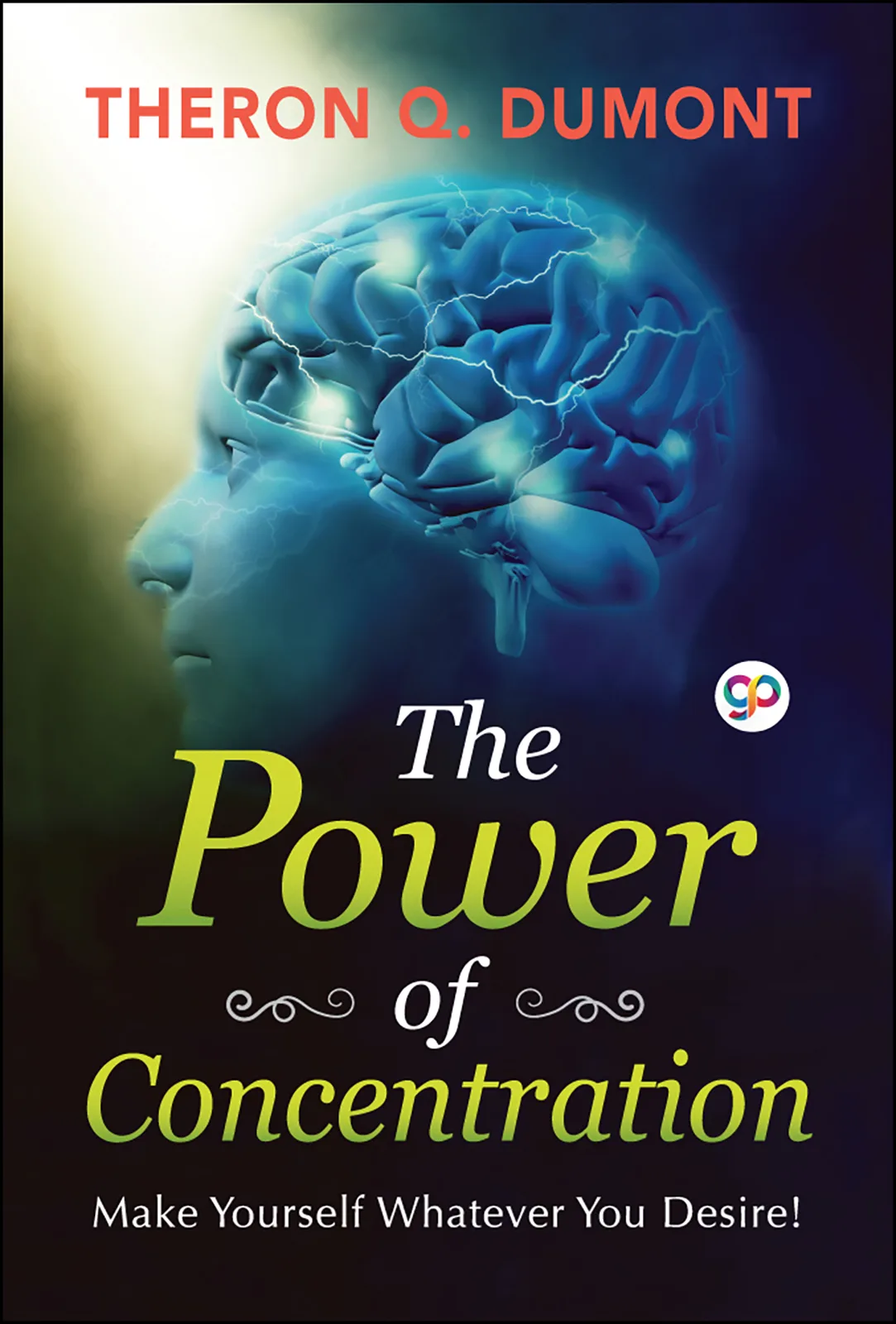
Download Cover Image
Do you want to download the full cover image for The Power of Concentration?