
The Law of Success
eBook
• INR 300.00
• English
No ratings yet
| Publisher | General Press |
|---|---|
| ASIN/SKU | B01N1WKF7Q |
| Book Format | eBook |
| Language | English |
| List Price | INR 300.00 |
| Subject Code | BUS071000, SEL027000, SEL021000, BUS107000 |
| Book Code | BD00068258 |
Buy this Book
Amazon Stores
Ebook Stores
Other Stores
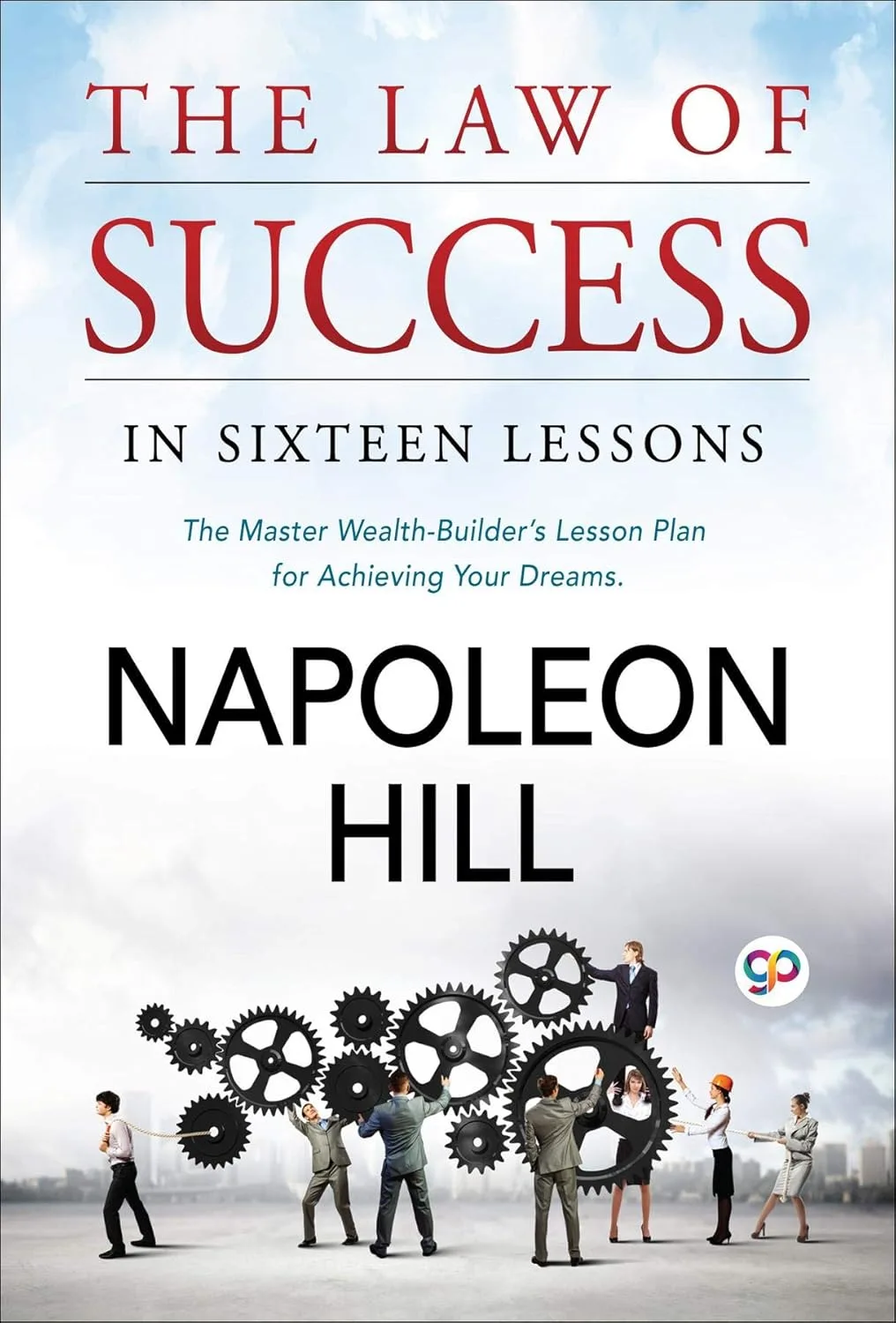
Discover The Law of Success by Napoleon Hill. This book is published by General Press in eBook format, ASIN B01N1WKF7Q, under Self-Help, Personal Transformation, Motivational.
Book Description
The Law of Success by Napoleon Hill is a landmark work in the field of personal development that presents a comprehensive philosophy for achieving success in both professional and personal life. Based on years of research into the habits and principles of highly accomplished individuals, Hill argues that success is not the result of luck or talent alone but of cultivating specific attitudes, skills, and disciplined habits. The book offers readers a practical framework for setting meaningful goals and developing the mindset needed to achieve them.
Hill introduces a series of foundational principles, including having a definite purpose, building self-confidence, exercising initiative, practicing self-discipline, and working harmoniously with others. He emphasizes the importance of persistence, positive thinking, effective communication, and continuous learning, while also highlighting the value of cooperation through what he calls the "Master Mind" principle—the idea that collective knowledge and shared effort can produce extraordinary results. Throughout the book, Hill encourages readers to overcome fear, indecision, and self-doubt by replacing them with focused action and unwavering determination.
Written in a motivational yet practical style, The Law of Success combines inspiring ideas with actionable guidance that readers can apply to their everyday lives. Rather than promising instant achievement, Hill stresses that lasting success is built gradually through consistent effort, integrity, and a willingness to learn from failure. More than a guide to financial or professional accomplishment, the book is a blueprint for personal growth, leadership, and purposeful living. Its enduring message continues to inspire readers to unlock their potential and pursue success with confidence, resilience, and a clear sense of direction.
Hill introduces a series of foundational principles, including having a definite purpose, building self-confidence, exercising initiative, practicing self-discipline, and working harmoniously with others. He emphasizes the importance of persistence, positive thinking, effective communication, and continuous learning, while also highlighting the value of cooperation through what he calls the "Master Mind" principle—the idea that collective knowledge and shared effort can produce extraordinary results. Throughout the book, Hill encourages readers to overcome fear, indecision, and self-doubt by replacing them with focused action and unwavering determination.
Written in a motivational yet practical style, The Law of Success combines inspiring ideas with actionable guidance that readers can apply to their everyday lives. Rather than promising instant achievement, Hill stresses that lasting success is built gradually through consistent effort, integrity, and a willingness to learn from failure. More than a guide to financial or professional accomplishment, the book is a blueprint for personal growth, leadership, and purposeful living. Its enduring message continues to inspire readers to unlock their potential and pursue success with confidence, resilience, and a clear sense of direction.
Author Biography
Napoleon Hill was an American author in the area of the new thought movement who was one of the earliest producers of the modern genre of personal-success literature. He is widely considered to be one of the great writers on success. His teachings have gone on to influence entire generations of success seekers, setting the standard for the foundations of today's motivational thinking. His most famous work—'Think and Grow Rich' (1937), is one of the best-selling books of all time (at the time of Hill's death in 1970, Think and Grow Rich had sold 20 million copies). Hill's works examined the power of personal beliefs, and the role they play in personal success. He became an advisor to President Franklin D. Roosevelt from 1933 to 1936.
"What the mind of man can conceive and believe, it can achieve" is one of Hill's hallmark expressions. How achievement actually occurs, and a formula for it that puts success in reach of the average person, were the focal points of Hill's books.
"What the mind of man can conceive and believe, it can achieve" is one of Hill's hallmark expressions. How achievement actually occurs, and a formula for it that puts success in reach of the average person, were the focal points of Hill's books.
Editorial Reviews
Editorial Reviews will be added soon…
Book Summary
Napoleon Hill’s The Law of Success in Sixteen Lessons is a practical self-development book built around the idea that achievement begins with a disciplined mind and a clear purpose. First published in 1928, the book presents a broad philosophy of personal and professional success based on qualities such as definite purpose, self-confidence, initiative, imagination, enthusiasm, self-control, accurate thinking, cooperation, and persistence. Hill argues that success is rarely the result of luck alone. Instead, it grows from habits of thought and action that can be consciously developed. The book’s sixteen lessons are intended to work together, forming a complete system for turning ambition into organized effort and long-term achievement.
Hill begins with the importance of a definite chief aim. According to him, many people struggle because they have no clear idea of what they actually want. They may work hard, but their efforts are scattered because they lack a central purpose. Hill therefore encourages readers to choose a specific goal and make it the organizing principle of their lives. A definite purpose gives direction to thought, helps people recognize opportunities, and makes it easier to decide which activities deserve attention. Without such a goal, even intelligence and hard work can be wasted.
The next important principle is self-confidence. Hill believes that people cannot accomplish much if they constantly doubt their own ability. Self-confidence does not mean believing that one is perfect or capable of everything. Rather, it means developing faith in one’s ability to learn, make decisions, overcome difficulties, and continue after failure. Hill connects self-confidence with knowledge and repeated effort. The more a person develops useful skills and takes purposeful action, the stronger confidence can become.
Hill then emphasizes the importance of habit and initiative. He argues that successful people do not wait indefinitely for someone else to tell them what to do. They recognize useful opportunities and act upon them. Initiative means being willing to take responsibility and begin meaningful work without needing constant external encouragement. This quality is especially important in leadership because people who consistently take constructive action naturally become more influential.
Imagination is another major element of Hill’s philosophy. He divides imagination into forms that involve creating new ideas and improving existing ones. Every invention, business, organization, or useful achievement begins as an idea. Hill encourages readers to develop the ability to see possibilities where others see only limitations. Imagination becomes particularly valuable when combined with a definite purpose, because creative thinking then has a clear direction.
Hill also places great emphasis on enthusiasm. He believes enthusiasm gives energy to both thought and action. A person who genuinely believes in a goal is more likely to inspire others and persist through difficulties. However, enthusiasm should not be confused with temporary excitement. Hill’s ideal enthusiasm is connected to a meaningful purpose and sustained effort. It helps people remain emotionally engaged with their work rather than treating it as a burden.
Self-control is presented as the necessary balance to enthusiasm. Strong emotions can be useful, but they can also lead to impulsive decisions. Hill encourages readers to learn how to control anger, fear, jealousy, discouragement, and other destructive emotions. A person who cannot manage emotional reactions may damage relationships or make decisions that undermine long-term goals. Self-control allows a person to respond thoughtfully rather than simply reacting to circumstances.
Accurate thinking is another central lesson. Hill distinguishes between facts and opinions and warns against accepting information simply because it sounds convincing. Successful decision-making requires examining evidence, separating relevant facts from irrelevant details, and forming independent judgments. He encourages readers to avoid both negative thinking and blind optimism. Clear thinking requires the ability to see reality honestly while still searching for constructive solutions.
The book also discusses the importance of learning from mistakes. Hill does not treat failure as a permanent condition. Instead, he views many failures as temporary setbacks that can reveal valuable information. A person who studies mistakes can discover what went wrong and make better decisions in the future. The real danger is not failure itself but allowing failure to create a permanent belief in defeat. Persistence becomes essential because major achievements often require repeated attempts.
Hill gives considerable attention to cooperation and what he calls the “Master Mind” principle. He argues that people can achieve more by combining their knowledge, experience, skills, and ideas with those of others. A Master Mind group is a cooperative alliance in which individuals work toward a common purpose and support one another. The concept reflects Hill’s belief that success is rarely a completely solitary achievement. Strong relationships and organized cooperation can multiply individual abilities.
Leadership is closely connected with this principle. Hill describes leadership not as domination but as the ability to organize people around a shared purpose. A good leader must understand human nature, communicate clearly, make decisions, accept responsibility, and inspire confidence. Leadership also requires fairness and consistency. People are more willing to follow someone who demonstrates competence and integrity than someone who simply demands obedience.
Hill also explores the habit of going the extra mile. He argues that people who consistently provide more useful service than they are required to give create opportunities for themselves. Going beyond minimum expectations can build trust, reputation, and professional relationships. The idea is not simply to work endlessly without reward but to develop a habit of adding value. In Hill’s system, usefulness is one of the foundations of lasting success.
Another recurring theme is the importance of concentration and organized effort. Having a goal is not enough. People must direct their attention toward activities that contribute to that goal. Distraction, indecision, and constantly changing plans can weaken progress. Hill encourages readers to organize their time and efforts so that energy is not wasted on activities that have little connection with their main purpose.
Hill also discusses the influence of habits and the subconscious mind. Repeated thoughts can gradually shape attitudes and behavior. If a person constantly focuses on fear, failure, or limitation, those ideas can become deeply established. Conversely, repeatedly thinking about a clear purpose, constructive possibilities, and disciplined action can strengthen productive habits. Hill’s approach reflects the self-help psychology of his era and places strong emphasis on the power of mental conditioning.
The final lessons bring these ideas together through persistence and disciplined application. Hill argues that success requires more than reading about principles. Knowledge becomes useful only when it is translated into action. A person must develop a definite goal, create a plan, act with confidence, learn from setbacks, cooperate with others, and continue long enough for results to emerge.
Ultimately, The Law of Success in Sixteen Lessons presents success as a combination of purpose, character, thought, relationships, and persistent action. Hill’s central message is that individuals have significant influence over the direction of their lives because they can deliberately develop their habits of thinking and acting. Although some of Hill’s claims about the mind and success are expressed more confidently than modern research would support, the practical appeal of the book lies in its emphasis on clarity, discipline, initiative, cooperation, and perseverance. Its enduring lesson is that ambition becomes meaningful only when it is organized into a definite purpose and supported by consistent action. For Hill, successful living is therefore not simply about gaining money or status; it is about developing the mental habits and personal qualities that enable a person to pursue a meaningful goal and contribute something valuable to others.
Hill begins with the importance of a definite chief aim. According to him, many people struggle because they have no clear idea of what they actually want. They may work hard, but their efforts are scattered because they lack a central purpose. Hill therefore encourages readers to choose a specific goal and make it the organizing principle of their lives. A definite purpose gives direction to thought, helps people recognize opportunities, and makes it easier to decide which activities deserve attention. Without such a goal, even intelligence and hard work can be wasted.
The next important principle is self-confidence. Hill believes that people cannot accomplish much if they constantly doubt their own ability. Self-confidence does not mean believing that one is perfect or capable of everything. Rather, it means developing faith in one’s ability to learn, make decisions, overcome difficulties, and continue after failure. Hill connects self-confidence with knowledge and repeated effort. The more a person develops useful skills and takes purposeful action, the stronger confidence can become.
Hill then emphasizes the importance of habit and initiative. He argues that successful people do not wait indefinitely for someone else to tell them what to do. They recognize useful opportunities and act upon them. Initiative means being willing to take responsibility and begin meaningful work without needing constant external encouragement. This quality is especially important in leadership because people who consistently take constructive action naturally become more influential.
Imagination is another major element of Hill’s philosophy. He divides imagination into forms that involve creating new ideas and improving existing ones. Every invention, business, organization, or useful achievement begins as an idea. Hill encourages readers to develop the ability to see possibilities where others see only limitations. Imagination becomes particularly valuable when combined with a definite purpose, because creative thinking then has a clear direction.
Hill also places great emphasis on enthusiasm. He believes enthusiasm gives energy to both thought and action. A person who genuinely believes in a goal is more likely to inspire others and persist through difficulties. However, enthusiasm should not be confused with temporary excitement. Hill’s ideal enthusiasm is connected to a meaningful purpose and sustained effort. It helps people remain emotionally engaged with their work rather than treating it as a burden.
Self-control is presented as the necessary balance to enthusiasm. Strong emotions can be useful, but they can also lead to impulsive decisions. Hill encourages readers to learn how to control anger, fear, jealousy, discouragement, and other destructive emotions. A person who cannot manage emotional reactions may damage relationships or make decisions that undermine long-term goals. Self-control allows a person to respond thoughtfully rather than simply reacting to circumstances.
Accurate thinking is another central lesson. Hill distinguishes between facts and opinions and warns against accepting information simply because it sounds convincing. Successful decision-making requires examining evidence, separating relevant facts from irrelevant details, and forming independent judgments. He encourages readers to avoid both negative thinking and blind optimism. Clear thinking requires the ability to see reality honestly while still searching for constructive solutions.
The book also discusses the importance of learning from mistakes. Hill does not treat failure as a permanent condition. Instead, he views many failures as temporary setbacks that can reveal valuable information. A person who studies mistakes can discover what went wrong and make better decisions in the future. The real danger is not failure itself but allowing failure to create a permanent belief in defeat. Persistence becomes essential because major achievements often require repeated attempts.
Hill gives considerable attention to cooperation and what he calls the “Master Mind” principle. He argues that people can achieve more by combining their knowledge, experience, skills, and ideas with those of others. A Master Mind group is a cooperative alliance in which individuals work toward a common purpose and support one another. The concept reflects Hill’s belief that success is rarely a completely solitary achievement. Strong relationships and organized cooperation can multiply individual abilities.
Leadership is closely connected with this principle. Hill describes leadership not as domination but as the ability to organize people around a shared purpose. A good leader must understand human nature, communicate clearly, make decisions, accept responsibility, and inspire confidence. Leadership also requires fairness and consistency. People are more willing to follow someone who demonstrates competence and integrity than someone who simply demands obedience.
Hill also explores the habit of going the extra mile. He argues that people who consistently provide more useful service than they are required to give create opportunities for themselves. Going beyond minimum expectations can build trust, reputation, and professional relationships. The idea is not simply to work endlessly without reward but to develop a habit of adding value. In Hill’s system, usefulness is one of the foundations of lasting success.
Another recurring theme is the importance of concentration and organized effort. Having a goal is not enough. People must direct their attention toward activities that contribute to that goal. Distraction, indecision, and constantly changing plans can weaken progress. Hill encourages readers to organize their time and efforts so that energy is not wasted on activities that have little connection with their main purpose.
Hill also discusses the influence of habits and the subconscious mind. Repeated thoughts can gradually shape attitudes and behavior. If a person constantly focuses on fear, failure, or limitation, those ideas can become deeply established. Conversely, repeatedly thinking about a clear purpose, constructive possibilities, and disciplined action can strengthen productive habits. Hill’s approach reflects the self-help psychology of his era and places strong emphasis on the power of mental conditioning.
The final lessons bring these ideas together through persistence and disciplined application. Hill argues that success requires more than reading about principles. Knowledge becomes useful only when it is translated into action. A person must develop a definite goal, create a plan, act with confidence, learn from setbacks, cooperate with others, and continue long enough for results to emerge.
Ultimately, The Law of Success in Sixteen Lessons presents success as a combination of purpose, character, thought, relationships, and persistent action. Hill’s central message is that individuals have significant influence over the direction of their lives because they can deliberately develop their habits of thinking and acting. Although some of Hill’s claims about the mind and success are expressed more confidently than modern research would support, the practical appeal of the book lies in its emphasis on clarity, discipline, initiative, cooperation, and perseverance. Its enduring lesson is that ambition becomes meaningful only when it is organized into a definite purpose and supported by consistent action. For Hill, successful living is therefore not simply about gaining money or status; it is about developing the mental habits and personal qualities that enable a person to pursue a meaningful goal and contribute something valuable to others.
Sample Chapters
Sample Chapters will be added soon…
Reader Reviews
No reviews yet.
The Law of Success
Download Cover Image
Do you want to download the full cover image for The Law of Success?