
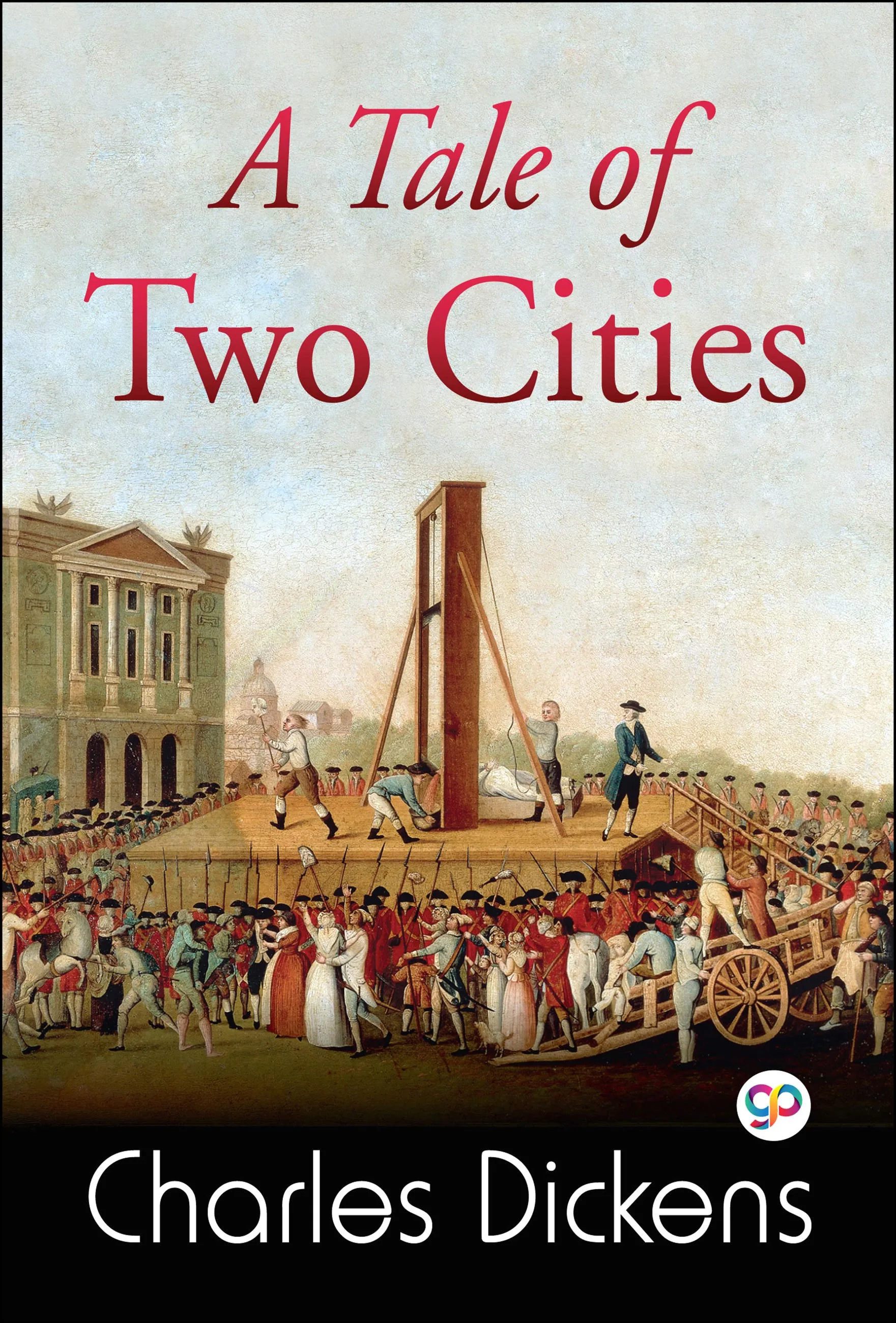
A Tale of Two Cities
eBook
• INR 51.00
• English
• 9788180320989
No ratings yet
| Publisher | General Press |
|---|---|
| ISBN13 | 9788180320989 |
| ASIN/SKU | B01FND2RCC |
| Book Format | eBook |
| Language | English |
| List Price | INR 51.00 |
| Subject Code | FIC004000, FIC014000 |
| Book Code | BD00068428 |
Buy this Book
Amazon Stores
Ebook Stores
Other Stores
Discover A Tale of Two Cities by Charles Dickens. This book is published by General Press in eBook format, ISBN 9788180320989, ASIN B01FND2RCC, under Literature and Fiction, History of Europe, Classics.
Book Description
The story of 'A Tale of Two Cities' is set in the late 18th Century in London and Paris, before and during the French Revolution. It was a time when injustice was met by a lust for vengeance, and rarely was a distinction made between the innocent and the guilty. It was published in weekly installments from April 1859 to November 1859 in Dickens's new literary periodical titled 'All the Year Round'. This novel is regarded as one of Dickens's most popular and most innovative works.
After eighteen years as a political prisoner in the Bastille the aging Dr Manette is finally released and reunited with his daughter in England. There, two very different men, Charles Darnay, an exiled French aristocrat, and Sydney Carton, a disreputable but brilliant English lawyer, become enmeshed through their love for Lucie Manette. From the tranquil lanes of London, they are all drawn against their will to the vengeful, bloodstained streets of Paris at the height of the Reign of Terror and soon fall under the lethal shadow of La Guillotine.
The book is perhaps best known for its opening lines, "It was the best of times, it was the worst of times," and for Carton's last speech, in which he says of his replacing Darnay in a prison cell, "It is a far, far better thing that I do, than I have ever done; it is a far, far better rest that I go to, than I have ever known."
After eighteen years as a political prisoner in the Bastille the aging Dr Manette is finally released and reunited with his daughter in England. There, two very different men, Charles Darnay, an exiled French aristocrat, and Sydney Carton, a disreputable but brilliant English lawyer, become enmeshed through their love for Lucie Manette. From the tranquil lanes of London, they are all drawn against their will to the vengeful, bloodstained streets of Paris at the height of the Reign of Terror and soon fall under the lethal shadow of La Guillotine.
The book is perhaps best known for its opening lines, "It was the best of times, it was the worst of times," and for Carton's last speech, in which he says of his replacing Darnay in a prison cell, "It is a far, far better thing that I do, than I have ever done; it is a far, far better rest that I go to, than I have ever known."
Author Biography
Charles Dickens (7 February 1812 – 9 June 1870) was an English writer and social critic. He created some of the world's best-known fictional characters and is regarded as the greatest novelist of the Victorian era. His works enjoyed unprecedented popularity during his lifetime, and by the twentieth century critics and scholars had recognised him as a literary genius. His novels and short stories enjoy lasting popularity.
The second of eight children, he grew up in a family frequently beset by financial insecurity. At age eleven, Dickens was taken out of school and sent to work in London backing warehouse, where his job was to paste labels on bottles for six shillings a week. His father John Dickens, was a warmhearted but improvident man. When he was condemned the Marshela Prison for unpaid debts, he unwisely agreed that Charles should stay in lodgings and continue working while the rest of the family joined him in jail. This three-month separation caused Charles much pain; his experiences as a child alone in a huge city—cold, isolated with barely enough to eat—haunted him for the rest of his life.
When the family fortunes improved, Charles went back to school, after which he became an office boy, a freelance reporter and finally an author. With Pickwick Papers (1836-7) he achieved immediate fame; in a few years he was easily the most popular and respected writer of his time. It has been estimated that one out of every ten persons in Victorian England was a Dickens reader. Oliver Twist (1837), Nicholas Nickleby (1838-9) and The Old Curiosity Shop (1840-41) were huge successes. Martin Chuzzlewit (1843-4) was less so, but Dickens followed it with his unforgettable, A Christmas Carol (1843), Bleak House (1852-3), Hard Times (1854) and Little Dorrit (1855-7) reveal his deepening concern for the injustices of British Society. A Tale of Two Cities (1859), Great Expectations (1860-1) and Our Mutual Friend (1864-5) complete his major works.
Dickens's marriage to Catherine Hoggarth produced ten children but ended in separation in 1858. In that year he began a series of exhausting public readings; his health gradually declined. After putting in a full day's work at his home at Gads Hill, Kent on June 8, 1870, Dickens suffered a stroke, and he died the following day.
He was a sympathiser with the poor, the suffering, and the oppressed; and by his death, one of England's greatest writers is lost to the world.
The second of eight children, he grew up in a family frequently beset by financial insecurity. At age eleven, Dickens was taken out of school and sent to work in London backing warehouse, where his job was to paste labels on bottles for six shillings a week. His father John Dickens, was a warmhearted but improvident man. When he was condemned the Marshela Prison for unpaid debts, he unwisely agreed that Charles should stay in lodgings and continue working while the rest of the family joined him in jail. This three-month separation caused Charles much pain; his experiences as a child alone in a huge city—cold, isolated with barely enough to eat—haunted him for the rest of his life.
When the family fortunes improved, Charles went back to school, after which he became an office boy, a freelance reporter and finally an author. With Pickwick Papers (1836-7) he achieved immediate fame; in a few years he was easily the most popular and respected writer of his time. It has been estimated that one out of every ten persons in Victorian England was a Dickens reader. Oliver Twist (1837), Nicholas Nickleby (1838-9) and The Old Curiosity Shop (1840-41) were huge successes. Martin Chuzzlewit (1843-4) was less so, but Dickens followed it with his unforgettable, A Christmas Carol (1843), Bleak House (1852-3), Hard Times (1854) and Little Dorrit (1855-7) reveal his deepening concern for the injustices of British Society. A Tale of Two Cities (1859), Great Expectations (1860-1) and Our Mutual Friend (1864-5) complete his major works.
Dickens's marriage to Catherine Hoggarth produced ten children but ended in separation in 1858. In that year he began a series of exhausting public readings; his health gradually declined. After putting in a full day's work at his home at Gads Hill, Kent on June 8, 1870, Dickens suffered a stroke, and he died the following day.
He was a sympathiser with the poor, the suffering, and the oppressed; and by his death, one of England's greatest writers is lost to the world.
Editorial Reviews
Editorial Reviews will be added soon…
Book Summary
Charles Dickens’s A Tale of Two Cities is a powerful historical novel set mainly in London and Paris during the turbulent years surrounding the French Revolution. Published in 1859, the novel explores suffering, injustice, love, sacrifice, revenge, and the possibility of redemption. Its famous opening contrast—“It was the best of times, it was the worst of times”—captures the divided world of the story. Dickens presents two cities separated by geography and political conditions, yet connected by the lives of ordinary people who are caught in forces much larger than themselves.
The story begins in 1775, when England and France are experiencing very different but equally troubled conditions. In England, crime and poverty are widespread, while in France the aristocracy lives in extreme luxury as peasants struggle under crushing taxes and oppression. Against this background, Jarvis Lorry, a respectable employee of Tellson’s Bank, travels to France with an extraordinary message: a man who has been imprisoned for eighteen years in the Bastille has been released. Lorry is carrying the message to Lucie Manette, the prisoner’s daughter, who has grown up believing that her father is dead.
Lucie is shocked to discover that her father, Dr. Alexandre Manette, is still alive. Lorry finds him in Paris, living in the house of his former servant, Ernest Defarge, and his wife, Madame Defarge. Years of imprisonment have destroyed much of Dr. Manette’s mental and emotional stability. He spends his days making shoes, a skill he learned during his imprisonment, and repeatedly describes himself as “One Hundred and Five, North Tower,” the number and location of his cell.
Lucie lovingly brings her father back to England, where she gradually helps him recover his identity and emotional strength. Their relationship becomes one of the warmest parts of the novel. Lucie’s kindness, patience, and compassion give Dr. Manette a reason to live again. She becomes a symbol of love and renewal in a story otherwise filled with violence and hatred.
In London, Lucie becomes acquainted with Charles Darnay, Sydney Carton, and Stryver. Darnay is a young Frenchman who has rejected the cruelty of his aristocratic family and chosen to live in England. Carton, a brilliant but deeply troubled lawyer, works with Stryver. Although Carton is intelligent and capable, he has become cynical and careless with his life. He drinks heavily and believes that he has wasted his talents.
Both Darnay and Carton develop feelings for Lucie. Darnay eventually marries her, while Carton quietly accepts that she will never love him in the same way. His love is nevertheless genuine. He tells Lucie that she has given him a reason to imagine that his life might have had some value. His emotional connection to her becomes crucial to the novel’s final act.
Meanwhile, the political situation in France is becoming increasingly dangerous. Dickens carefully shows why the French Revolution becomes possible. The aristocracy has treated ordinary people with extraordinary cruelty and indifference. One of the clearest examples is the Marquis St. Evrémonde, Darnay’s uncle. He represents the selfishness and brutality of the old aristocratic system. He cares nothing for the lives of poor people and believes that social rank places him above ordinary human morality.
After the Marquis’s carriage kills a poor child in the streets, he responds with cold arrogance rather than regret. His death shortly afterward at the hands of Gaspard, the child’s grieving father, foreshadows the violent revolution to come. The incident also reveals the dangerous cycle at the center of the novel: oppression creates anger, anger produces revenge, and revenge eventually creates new forms of cruelty.
Darnay has secretly rejected his family’s title and wealth because he cannot accept the injustice associated with the Evrémonde name. However, his family background continues to follow him. When the French Revolution begins, the old aristocratic order collapses. The Bastille is stormed, the monarchy is challenged, and revolutionary violence spreads throughout Paris. Madame Defarge becomes increasingly important during these events. She is not simply an observer of the revolution; she is driven by a personal desire for revenge against the Evrémonde family.
Darnay returns to France after receiving a letter from a former servant of his family who has been imprisoned. Although he hopes to help the man, Darnay is arrested almost immediately because of his aristocratic ancestry. He is imprisoned and eventually placed on trial. Dr. Manette’s popularity with the revolutionaries initially saves him, because the people regard the former Bastille prisoner as a victim of aristocratic oppression.
For a time, Darnay is released and reunited with Lucie and their young daughter. But Madame Defarge continues to pursue him. She carries a secret record of people whom she considers enemies of the revolution, and the Evrémonde family is among them. Her hatred is rooted in a terrible personal history involving violence committed by Darnay’s relatives against her family. To her, Darnay is guilty simply because he belongs to the bloodline she hates.
Eventually, Madame Defarge discovers that Dr. Manette has written a letter during his imprisonment describing the crimes of the Evrémonde brothers. The letter reveals that the doctor had been imprisoned because he knew about their crimes and had attempted to expose them. Madame Defarge uses this document to ensure that Darnay is condemned.
Darnay is sentenced to death, and Lucie is devastated. At this point, Sydney Carton finally acts on the love he has carried quietly throughout the novel. Because Carton looks remarkably similar to Darnay, he is able to enter the prison and exchange identities with him. Darnay escapes from prison disguised as Carton, while Carton remains behind to face execution.
Carton’s sacrifice is the emotional climax of the novel. He does not sacrifice himself because he expects recognition or reward. He does it because he loves Lucie and wants to give her family a future. The man who once believed that his life had no purpose discovers a profound purpose in giving that life away for someone else.
Madame Defarge is ultimately killed while struggling with Miss Pross, Lucie’s devoted companion. Her death symbolizes the destructive nature of revenge. She has been shaped by suffering, but her determination to punish others has transformed her into another source of violence. The revolution that began as a response to genuine injustice has also become consumed by hatred and indiscriminate bloodshed.
The novel ends with Carton walking toward the guillotine. His thoughts are peaceful because he believes that his sacrifice will allow Lucie, Darnay, and their family to live safely. He imagines a future in which Lucie has another child who may remember him. His final reflections suggest that his life, once apparently wasted, has finally gained meaning.
A Tale of Two Cities is therefore much more than a historical story about the French Revolution. Dickens examines how injustice can create violence, but he also shows that hatred cannot heal suffering. The novel’s most important contrast is not simply between London and Paris, or between aristocrats and revolutionaries. It is between selfishness and compassion, revenge and forgiveness, despair and hope. Sydney Carton’s final sacrifice demonstrates the possibility of moral transformation. A man who considers himself worthless becomes the novel’s greatest hero by giving everything he has for others.
Through its memorable characters and dramatic story, Dickens reminds readers that societies built on cruelty eventually create their own destruction. At the same time, he offers a more hopeful message: even in a world filled with injustice and violence, individual acts of love and sacrifice can restore human dignity. Carton’s final act gives the novel its deepest meaning. He cannot change the past, but he can choose what his own life will mean. In that choice, Dickens finds a powerful image of redemption, proving that even a life filled with failure can end with courage, love, and purpose.
The story begins in 1775, when England and France are experiencing very different but equally troubled conditions. In England, crime and poverty are widespread, while in France the aristocracy lives in extreme luxury as peasants struggle under crushing taxes and oppression. Against this background, Jarvis Lorry, a respectable employee of Tellson’s Bank, travels to France with an extraordinary message: a man who has been imprisoned for eighteen years in the Bastille has been released. Lorry is carrying the message to Lucie Manette, the prisoner’s daughter, who has grown up believing that her father is dead.
Lucie is shocked to discover that her father, Dr. Alexandre Manette, is still alive. Lorry finds him in Paris, living in the house of his former servant, Ernest Defarge, and his wife, Madame Defarge. Years of imprisonment have destroyed much of Dr. Manette’s mental and emotional stability. He spends his days making shoes, a skill he learned during his imprisonment, and repeatedly describes himself as “One Hundred and Five, North Tower,” the number and location of his cell.
Lucie lovingly brings her father back to England, where she gradually helps him recover his identity and emotional strength. Their relationship becomes one of the warmest parts of the novel. Lucie’s kindness, patience, and compassion give Dr. Manette a reason to live again. She becomes a symbol of love and renewal in a story otherwise filled with violence and hatred.
In London, Lucie becomes acquainted with Charles Darnay, Sydney Carton, and Stryver. Darnay is a young Frenchman who has rejected the cruelty of his aristocratic family and chosen to live in England. Carton, a brilliant but deeply troubled lawyer, works with Stryver. Although Carton is intelligent and capable, he has become cynical and careless with his life. He drinks heavily and believes that he has wasted his talents.
Both Darnay and Carton develop feelings for Lucie. Darnay eventually marries her, while Carton quietly accepts that she will never love him in the same way. His love is nevertheless genuine. He tells Lucie that she has given him a reason to imagine that his life might have had some value. His emotional connection to her becomes crucial to the novel’s final act.
Meanwhile, the political situation in France is becoming increasingly dangerous. Dickens carefully shows why the French Revolution becomes possible. The aristocracy has treated ordinary people with extraordinary cruelty and indifference. One of the clearest examples is the Marquis St. Evrémonde, Darnay’s uncle. He represents the selfishness and brutality of the old aristocratic system. He cares nothing for the lives of poor people and believes that social rank places him above ordinary human morality.
After the Marquis’s carriage kills a poor child in the streets, he responds with cold arrogance rather than regret. His death shortly afterward at the hands of Gaspard, the child’s grieving father, foreshadows the violent revolution to come. The incident also reveals the dangerous cycle at the center of the novel: oppression creates anger, anger produces revenge, and revenge eventually creates new forms of cruelty.
Darnay has secretly rejected his family’s title and wealth because he cannot accept the injustice associated with the Evrémonde name. However, his family background continues to follow him. When the French Revolution begins, the old aristocratic order collapses. The Bastille is stormed, the monarchy is challenged, and revolutionary violence spreads throughout Paris. Madame Defarge becomes increasingly important during these events. She is not simply an observer of the revolution; she is driven by a personal desire for revenge against the Evrémonde family.
Darnay returns to France after receiving a letter from a former servant of his family who has been imprisoned. Although he hopes to help the man, Darnay is arrested almost immediately because of his aristocratic ancestry. He is imprisoned and eventually placed on trial. Dr. Manette’s popularity with the revolutionaries initially saves him, because the people regard the former Bastille prisoner as a victim of aristocratic oppression.
For a time, Darnay is released and reunited with Lucie and their young daughter. But Madame Defarge continues to pursue him. She carries a secret record of people whom she considers enemies of the revolution, and the Evrémonde family is among them. Her hatred is rooted in a terrible personal history involving violence committed by Darnay’s relatives against her family. To her, Darnay is guilty simply because he belongs to the bloodline she hates.
Eventually, Madame Defarge discovers that Dr. Manette has written a letter during his imprisonment describing the crimes of the Evrémonde brothers. The letter reveals that the doctor had been imprisoned because he knew about their crimes and had attempted to expose them. Madame Defarge uses this document to ensure that Darnay is condemned.
Darnay is sentenced to death, and Lucie is devastated. At this point, Sydney Carton finally acts on the love he has carried quietly throughout the novel. Because Carton looks remarkably similar to Darnay, he is able to enter the prison and exchange identities with him. Darnay escapes from prison disguised as Carton, while Carton remains behind to face execution.
Carton’s sacrifice is the emotional climax of the novel. He does not sacrifice himself because he expects recognition or reward. He does it because he loves Lucie and wants to give her family a future. The man who once believed that his life had no purpose discovers a profound purpose in giving that life away for someone else.
Madame Defarge is ultimately killed while struggling with Miss Pross, Lucie’s devoted companion. Her death symbolizes the destructive nature of revenge. She has been shaped by suffering, but her determination to punish others has transformed her into another source of violence. The revolution that began as a response to genuine injustice has also become consumed by hatred and indiscriminate bloodshed.
The novel ends with Carton walking toward the guillotine. His thoughts are peaceful because he believes that his sacrifice will allow Lucie, Darnay, and their family to live safely. He imagines a future in which Lucie has another child who may remember him. His final reflections suggest that his life, once apparently wasted, has finally gained meaning.
A Tale of Two Cities is therefore much more than a historical story about the French Revolution. Dickens examines how injustice can create violence, but he also shows that hatred cannot heal suffering. The novel’s most important contrast is not simply between London and Paris, or between aristocrats and revolutionaries. It is between selfishness and compassion, revenge and forgiveness, despair and hope. Sydney Carton’s final sacrifice demonstrates the possibility of moral transformation. A man who considers himself worthless becomes the novel’s greatest hero by giving everything he has for others.
Through its memorable characters and dramatic story, Dickens reminds readers that societies built on cruelty eventually create their own destruction. At the same time, he offers a more hopeful message: even in a world filled with injustice and violence, individual acts of love and sacrifice can restore human dignity. Carton’s final act gives the novel its deepest meaning. He cannot change the past, but he can choose what his own life will mean. In that choice, Dickens finds a powerful image of redemption, proving that even a life filled with failure can end with courage, love, and purpose.
Sample Chapters
Sample Chapters will be added soon…
Reader Reviews
No reviews yet.
A Tale of Two Cities
Download Cover Image
Do you want to download the full cover image for A Tale of Two Cities?