
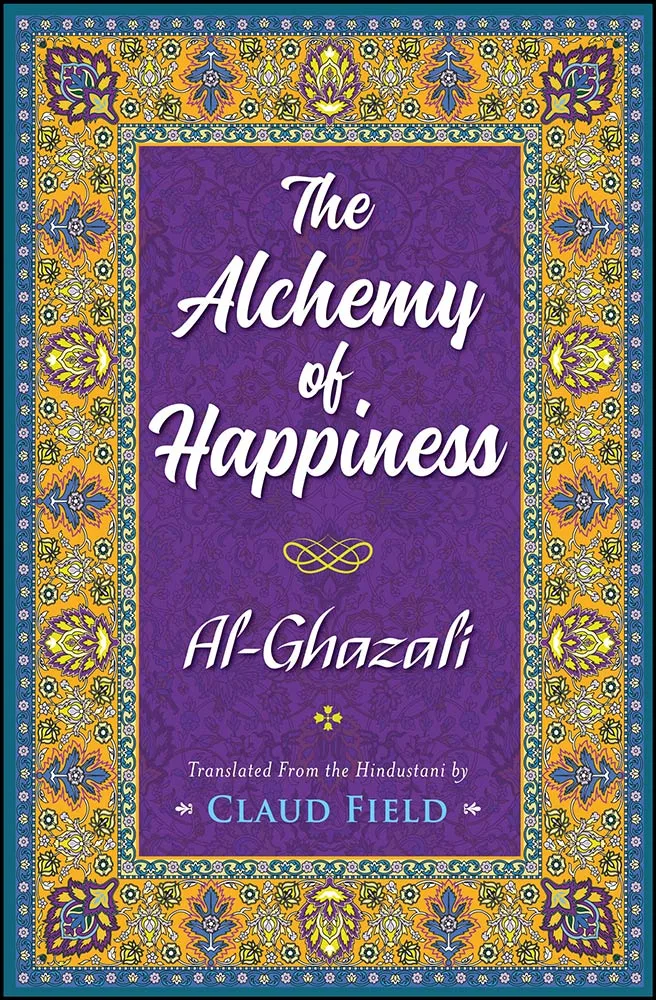
The Alchemy of Happiness
eBook
• 74 Pages
• INR 51.00
• English
• 9789387669536
No ratings yet
| Publisher | General Press |
|---|---|
| ISBN13 | 9789387669536 |
| ASIN/SKU | B07C86YRM9 |
| Book Format | eBook |
| Language | English |
| Pages | 74 |
| List Price | INR 51.00 |
| Subject Code | REL037060, PHI022000, LCO000000 |
| Publishing Date | 20/07/2018 |
| Book Code | BD00068429 |
Buy this Book
Amazon Stores
Ebook Stores
Other Stores
Discover The Alchemy of Happiness by Al-Ghazzali. This book is published by General Press in eBook format, ISBN 9789387669536, ASIN B07C86YRM9, under Religion and Spirituality, Islamic Books, Religion.
Book Description
What if true happiness had nothing to do with wealth, success, comfort, or worldly pleasure, but instead depended on discovering who you really are? 'The Alchemy of Happiness' by Al-Ghazzali is a classic work of Islamic spirituality and philosophy that explores the inner journey toward genuine happiness, self-knowledge, and closeness to God. Written with the insight of a great theologian and spiritual thinker, the book invites readers to look beyond the distractions of everyday life and examine the deeper purpose of human existence.
Rather than telling a conventional story, Al-Ghazzali presents a thoughtful spiritual guide centered on the human soul and its search for lasting fulfillment. He begins with the idea that people often mistake temporary pleasures for happiness, allowing possessions, status, physical desires, and worldly ambitions to shape their lives. Yet these things cannot satisfy the deepest needs of the heart. According to Al-Ghazzali, lasting happiness comes from understanding the self, recognizing one's relationship with the Creator, and gradually freeing the soul from the desires and habits that keep it spiritually asleep.
The book explores several connected themes, including self-knowledge, knowledge of God, the nature of the human heart, discipline of desire, repentance, prayer, remembrance, and the importance of living with spiritual awareness. Al-Ghazzali explains these ideas in a way that encourages readers to examine their own thoughts, motives, weaknesses, and attachments. His approach is both philosophical and practical, making the work more than an abstract discussion of religion. It becomes a personal invitation to change the way one sees oneself and the world.
One of the most compelling aspects of 'The Alchemy of Happiness' is its timeless understanding of human restlessness. Although written centuries ago, its questions remain remarkably familiar: Why do achievements fail to make us permanently happy? Why do we remain dissatisfied even after getting what we want? And where should we look for a sense of meaning that does not disappear when circumstances change?
With its blend of Islamic wisdom, philosophy, moral reflection, and spiritual guidance, 'The Alchemy of Happiness' remains a powerful book for anyone interested in self-discovery and the search for a meaningful life. Its deeper message unfolds slowly, encouraging readers to look inward—and perhaps discover that the happiness they have been seeking has been closer than they imagined.
Rather than telling a conventional story, Al-Ghazzali presents a thoughtful spiritual guide centered on the human soul and its search for lasting fulfillment. He begins with the idea that people often mistake temporary pleasures for happiness, allowing possessions, status, physical desires, and worldly ambitions to shape their lives. Yet these things cannot satisfy the deepest needs of the heart. According to Al-Ghazzali, lasting happiness comes from understanding the self, recognizing one's relationship with the Creator, and gradually freeing the soul from the desires and habits that keep it spiritually asleep.
The book explores several connected themes, including self-knowledge, knowledge of God, the nature of the human heart, discipline of desire, repentance, prayer, remembrance, and the importance of living with spiritual awareness. Al-Ghazzali explains these ideas in a way that encourages readers to examine their own thoughts, motives, weaknesses, and attachments. His approach is both philosophical and practical, making the work more than an abstract discussion of religion. It becomes a personal invitation to change the way one sees oneself and the world.
One of the most compelling aspects of 'The Alchemy of Happiness' is its timeless understanding of human restlessness. Although written centuries ago, its questions remain remarkably familiar: Why do achievements fail to make us permanently happy? Why do we remain dissatisfied even after getting what we want? And where should we look for a sense of meaning that does not disappear when circumstances change?
With its blend of Islamic wisdom, philosophy, moral reflection, and spiritual guidance, 'The Alchemy of Happiness' remains a powerful book for anyone interested in self-discovery and the search for a meaningful life. Its deeper message unfolds slowly, encouraging readers to look inward—and perhaps discover that the happiness they have been seeking has been closer than they imagined.
Author Biography
Al-Ghazali (c.1056 1111) was one of the most prominent and influential philosophers, theologians, jurists, and mystics of Sunni Islam. He was active at a time when Sunni theology had just passed through its consolidation and entered a period of intense challenges. He is generally acclaimed as the most influential thinker of medieval Islam. His writings have been regarded as the greatest in spirituality and have been, for centuries, the most read work after the Qur'an in the Muslim world.
Editorial Reviews
Editorial Reviews will be added soon…
Book Summary
The Alchemy of Happiness by Abu Hamid al-Ghazzali is a profound spiritual work about the search for true happiness and the transformation of the human soul. Written by one of the most influential thinkers in Islamic philosophy and spirituality, the book argues that lasting happiness cannot be found in wealth, fame, physical pleasure, or worldly success. True happiness comes from knowing oneself, knowing God, purifying the heart, and understanding the purpose for which human beings were created. Al-Ghazzali presents spiritual life not as an escape from the world but as a journey of awakening in which a person learns to place worldly desires in their proper position.
The central metaphor of the book is alchemy. In ordinary life, alchemy was imagined as the art of transforming base metals into precious gold. Al-Ghazzali uses this idea symbolically. The real alchemy is the transformation of the human soul. An ordinary person, distracted by desires and worldly concerns, can gradually become spiritually refined through knowledge, self-discipline, worship, repentance, and remembrance of God. The ultimate treasure is not material gold but a purified heart capable of experiencing divine closeness.
The journey begins with self-knowledge. Al-Ghazzali considers knowledge of oneself essential because the human being is a mysterious combination of body, intellect, heart, and spirit. A person who knows only the body knows only the outer shell of existence. The deeper self is the spiritual reality within. The heart, in particular, is not merely a physical organ but the center of consciousness and spiritual perception. When it is purified, it can recognize truth; when it becomes covered by selfish desires, pride, greed, and attachment, its ability to perceive spiritual reality becomes weak.
For Al-Ghazzali, understanding oneself naturally leads to knowledge of God. The human soul contains qualities that point beyond itself. Human beings possess knowledge, love, will, and the ability to distinguish between right and wrong. These capacities, when properly understood, can awaken awareness of the divine source from which they ultimately come. Thus, self-knowledge is not an invitation to become absorbed in the ego. On the contrary, it is a path toward recognizing that the deepest purpose of human existence lies beyond the individual self.
A major theme of the book is the distinction between temporary pleasure and lasting happiness. Human beings often mistake comfort for happiness. They pursue money, attractive possessions, social recognition, food, sensual pleasure, and power because these things provide immediate satisfaction. But such pleasures are unstable. Wealth can disappear, beauty fades, praise changes into criticism, and physical pleasures eventually lose their power. If happiness depends entirely on such things, the human being remains vulnerable to constant disappointment.
True happiness, Al-Ghazzali argues, comes from fulfilling the purpose of the soul. Since the soul belongs ultimately to God, it finds its deepest fulfillment in turning toward God. The pleasures of the world are not necessarily forbidden, but they must not become the objects of ultimate attachment. A person may enjoy worldly blessings while remembering that they are temporary and secondary.
This leads to another important teaching: the struggle against the lower self. Al-Ghazzali describes the human being as a place of competing impulses. Reason and spiritual awareness can guide a person toward goodness, while uncontrolled appetite, anger, greed, pride, and desire can pull the person in the opposite direction. The goal is not to destroy human instincts but to discipline them. A healthy soul is one in which desires are governed rather than allowed to become masters.
Self-discipline therefore plays a central role in spiritual development. Al-Ghazzali encourages practices such as moderation, fasting, prayer, remembrance, reflection, repentance, and careful examination of one's motives. These practices gradually weaken excessive attachment to worldly things and strengthen the heart's awareness of God. Spiritual growth, in his view, is not achieved through occasional inspiration alone. It requires continuous effort and honest self-examination.
The book also emphasizes the importance of knowledge and action. Simply knowing what is good does not automatically make a person good. A person may understand religious teachings intellectually while continuing to live selfishly. Knowledge becomes valuable only when it changes behavior. Similarly, outward religious practices have little value if they are performed without sincerity. Al-Ghazzali repeatedly directs attention from appearances toward the condition of the heart.
This emphasis on sincerity makes the book deeply psychological. Al-Ghazzali is concerned not only with what people do but with why they do it. Even an apparently virtuous action can become corrupted by pride or the desire for praise. A person may give charity because he genuinely wants to help, or because he wants others to admire his generosity. The outward action may look identical, but the spiritual consequences are very different. The purification of intention is therefore essential.
Another significant part of the book concerns death and the afterlife. Al-Ghazzali does not treat death merely as an ending. Awareness of mortality is meant to awaken human beings from carelessness. Because worldly life is temporary, people should not spend all their energy accumulating possessions or seeking approval. Death reminds us that the soul's ultimate destination lies beyond the temporary pleasures of this world. Remembering death, when done wisely, can make life more meaningful rather than more fearful.
At the same time, Al-Ghazzali does not present spirituality as constant misery or rejection of ordinary life. The deeper message is one of right relationship. Human beings should use the world without becoming slaves to it. Wealth can be used for good; knowledge can serve others; relationships can become sources of compassion; and worldly responsibilities can be fulfilled with sincerity. The problem is not necessarily possession but attachment.
The final vision of happiness is therefore deeply inward. When the heart becomes purified, the person experiences a kind of freedom that external circumstances cannot easily destroy. Such a person is less controlled by praise or criticism, gain or loss, pleasure or discomfort. The heart becomes increasingly directed toward God, and this closeness becomes the source of genuine peace.
Ultimately, The Alchemy of Happiness is a book about transformation rather than information. Al-Ghazzali does not simply want the reader to learn spiritual ideas; he wants the reader to become different. He asks us to look honestly at our desires, motives, fears, attachments, and ambitions and to recognize how easily temporary things can distract us from what truly matters. The real “alchemy” is the gradual refinement of the soul—from restlessness toward peace, from selfishness toward love, from ignorance toward knowledge, and from attachment to the world toward awareness of God.
The book's enduring appeal lies in its humane understanding of the human condition. Al-Ghazzali recognizes that people are easily distracted, tempted, proud, fearful, and inconsistent. Yet he also believes deeply in the possibility of renewal. A person can repent, learn, discipline the self, purify the heart, and begin again. Happiness, therefore, is not something that must be chased endlessly outside oneself. It is a spiritual state discovered when the human being understands who he truly is, why he exists, and where his deepest longing ultimately leads. In this sense, the greatest treasure is not something we acquire—it is the transformed heart through which we learn to see God, ourselves, and the world with greater clarity.
The central metaphor of the book is alchemy. In ordinary life, alchemy was imagined as the art of transforming base metals into precious gold. Al-Ghazzali uses this idea symbolically. The real alchemy is the transformation of the human soul. An ordinary person, distracted by desires and worldly concerns, can gradually become spiritually refined through knowledge, self-discipline, worship, repentance, and remembrance of God. The ultimate treasure is not material gold but a purified heart capable of experiencing divine closeness.
The journey begins with self-knowledge. Al-Ghazzali considers knowledge of oneself essential because the human being is a mysterious combination of body, intellect, heart, and spirit. A person who knows only the body knows only the outer shell of existence. The deeper self is the spiritual reality within. The heart, in particular, is not merely a physical organ but the center of consciousness and spiritual perception. When it is purified, it can recognize truth; when it becomes covered by selfish desires, pride, greed, and attachment, its ability to perceive spiritual reality becomes weak.
For Al-Ghazzali, understanding oneself naturally leads to knowledge of God. The human soul contains qualities that point beyond itself. Human beings possess knowledge, love, will, and the ability to distinguish between right and wrong. These capacities, when properly understood, can awaken awareness of the divine source from which they ultimately come. Thus, self-knowledge is not an invitation to become absorbed in the ego. On the contrary, it is a path toward recognizing that the deepest purpose of human existence lies beyond the individual self.
A major theme of the book is the distinction between temporary pleasure and lasting happiness. Human beings often mistake comfort for happiness. They pursue money, attractive possessions, social recognition, food, sensual pleasure, and power because these things provide immediate satisfaction. But such pleasures are unstable. Wealth can disappear, beauty fades, praise changes into criticism, and physical pleasures eventually lose their power. If happiness depends entirely on such things, the human being remains vulnerable to constant disappointment.
True happiness, Al-Ghazzali argues, comes from fulfilling the purpose of the soul. Since the soul belongs ultimately to God, it finds its deepest fulfillment in turning toward God. The pleasures of the world are not necessarily forbidden, but they must not become the objects of ultimate attachment. A person may enjoy worldly blessings while remembering that they are temporary and secondary.
This leads to another important teaching: the struggle against the lower self. Al-Ghazzali describes the human being as a place of competing impulses. Reason and spiritual awareness can guide a person toward goodness, while uncontrolled appetite, anger, greed, pride, and desire can pull the person in the opposite direction. The goal is not to destroy human instincts but to discipline them. A healthy soul is one in which desires are governed rather than allowed to become masters.
Self-discipline therefore plays a central role in spiritual development. Al-Ghazzali encourages practices such as moderation, fasting, prayer, remembrance, reflection, repentance, and careful examination of one's motives. These practices gradually weaken excessive attachment to worldly things and strengthen the heart's awareness of God. Spiritual growth, in his view, is not achieved through occasional inspiration alone. It requires continuous effort and honest self-examination.
The book also emphasizes the importance of knowledge and action. Simply knowing what is good does not automatically make a person good. A person may understand religious teachings intellectually while continuing to live selfishly. Knowledge becomes valuable only when it changes behavior. Similarly, outward religious practices have little value if they are performed without sincerity. Al-Ghazzali repeatedly directs attention from appearances toward the condition of the heart.
This emphasis on sincerity makes the book deeply psychological. Al-Ghazzali is concerned not only with what people do but with why they do it. Even an apparently virtuous action can become corrupted by pride or the desire for praise. A person may give charity because he genuinely wants to help, or because he wants others to admire his generosity. The outward action may look identical, but the spiritual consequences are very different. The purification of intention is therefore essential.
Another significant part of the book concerns death and the afterlife. Al-Ghazzali does not treat death merely as an ending. Awareness of mortality is meant to awaken human beings from carelessness. Because worldly life is temporary, people should not spend all their energy accumulating possessions or seeking approval. Death reminds us that the soul's ultimate destination lies beyond the temporary pleasures of this world. Remembering death, when done wisely, can make life more meaningful rather than more fearful.
At the same time, Al-Ghazzali does not present spirituality as constant misery or rejection of ordinary life. The deeper message is one of right relationship. Human beings should use the world without becoming slaves to it. Wealth can be used for good; knowledge can serve others; relationships can become sources of compassion; and worldly responsibilities can be fulfilled with sincerity. The problem is not necessarily possession but attachment.
The final vision of happiness is therefore deeply inward. When the heart becomes purified, the person experiences a kind of freedom that external circumstances cannot easily destroy. Such a person is less controlled by praise or criticism, gain or loss, pleasure or discomfort. The heart becomes increasingly directed toward God, and this closeness becomes the source of genuine peace.
Ultimately, The Alchemy of Happiness is a book about transformation rather than information. Al-Ghazzali does not simply want the reader to learn spiritual ideas; he wants the reader to become different. He asks us to look honestly at our desires, motives, fears, attachments, and ambitions and to recognize how easily temporary things can distract us from what truly matters. The real “alchemy” is the gradual refinement of the soul—from restlessness toward peace, from selfishness toward love, from ignorance toward knowledge, and from attachment to the world toward awareness of God.
The book's enduring appeal lies in its humane understanding of the human condition. Al-Ghazzali recognizes that people are easily distracted, tempted, proud, fearful, and inconsistent. Yet he also believes deeply in the possibility of renewal. A person can repent, learn, discipline the self, purify the heart, and begin again. Happiness, therefore, is not something that must be chased endlessly outside oneself. It is a spiritual state discovered when the human being understands who he truly is, why he exists, and where his deepest longing ultimately leads. In this sense, the greatest treasure is not something we acquire—it is the transformed heart through which we learn to see God, ourselves, and the world with greater clarity.
Sample Chapters
Sample Chapters will be added soon…
Reader Reviews
No reviews yet.
The Alchemy of Happiness
Download Cover Image
Do you want to download the full cover image for The Alchemy of Happiness?