
A Treatise of Human Nature
eBook
• INR 70.00
• English
• 9788180320415
No ratings yet
| Publisher | General Press |
|---|---|
| ISBN13 | 9788180320415 |
| ASIN/SKU | B07F2PSYVN |
| Book Format | eBook |
| Language | English |
| List Price | INR 70.00 |
| Subject Code | HIS000000, SOC000000 |
| Publishing Date | 27/06/2018 |
| Book Code | BD00068486 |
Buy this Book
Amazon Stores
Ebook Stores
Other Stores
Discover A Treatise of Human Nature by David Hume. This book is published by General Press in eBook format, ISBN 9788180320415, ASIN B07F2PSYVN, under Self-Help.
Book Description
First published in 1739 to an unenthusiastic British public, Hume's 'Treatise' has since been referred to as one of the most significant books in the history of philosophy. Hume, a Scottish philosopher, claimed that he was attempting to discuss moral issues with a methodical reasoning, and proceeded to do so in this foundational text. Divided into three large sections, Hume begins his work with a discussion of human understanding, from the origin of our ideas to how we divide them with space and time, with some interesting observations on skepticism. In the second section, Hume speaks of passions, encompassing a range of human emotions and introducing the effect of free will upon them. Finally, the third section covers a variety of moral ideas, including virtues and justice, promises and obligations, and the effect of politics on human morality. Through this treatise, Hume exhibits a remarkable and creative mind, disciplined and enhanced by a systematic method of reasoning, that has produced a text on moral philosophy that continues to stand the test of time over two hundred years later.
Author Biography
David Hume (1711–1776) was a Scottish philosopher, historian, economist, and essayist whose ideas profoundly shaped modern philosophy and the social sciences. A leading figure of the Scottish Enlightenment, Hume is best known for his rigorous approach to human knowledge, his emphasis on reason and experience, and his influential writings on ethics, politics, religion, and history. His work challenged long-held assumptions about certainty and inspired generations of thinkers, including Immanuel Kant, Adam Smith, and many later philosophers.
Hume was born on May 7, 1711, in Edinburgh, Scotland, into a respected but modest family. Although he briefly studied law at the University of Edinburgh, he soon realized that his true passion lay in philosophy and literature. He devoted himself to independent study, reading widely in history, classical literature, and science. During his early twenties, he spent several years in France, where he wrote his first major philosophical work, A Treatise of Human Nature. Though initially overlooked, the book later came to be recognized as one of the most important works in the history of philosophy.
Throughout his career, Hume sought to understand how people think, learn, and make moral judgments. He argued that human knowledge arises primarily from experience and observation rather than innate ideas. His essays and philosophical works, including An Enquiry Concerning Human Understanding, An Enquiry Concerning the Principles of Morals, and Dialogues Concerning Natural Religion, explored topics such as causation, skepticism, ethics, and religious belief with remarkable clarity and intellectual honesty. Alongside his philosophical writings, Hume achieved great success as a historian through his six-volume The History of England, which became one of the most widely read historical works of its time.
Despite facing criticism for his skeptical views on religion and metaphysics, Hume earned widespread respect for his integrity, wit, and gracious personality. He also served in various public roles, including librarian, diplomat, and government official, demonstrating his broad intellectual and practical abilities.
David Hume passed away in Edinburgh in 1776 after a lifetime devoted to scholarship and public service. His commitment to critical inquiry, empirical reasoning, and careful observation transformed philosophy and influenced fields ranging from economics and psychology to political science and history. Today, Hume is remembered as one of the greatest philosophers of the Enlightenment, whose enduring ideas continue to shape discussions about knowledge, morality, human nature, and the limits of reason.
Hume was born on May 7, 1711, in Edinburgh, Scotland, into a respected but modest family. Although he briefly studied law at the University of Edinburgh, he soon realized that his true passion lay in philosophy and literature. He devoted himself to independent study, reading widely in history, classical literature, and science. During his early twenties, he spent several years in France, where he wrote his first major philosophical work, A Treatise of Human Nature. Though initially overlooked, the book later came to be recognized as one of the most important works in the history of philosophy.
Throughout his career, Hume sought to understand how people think, learn, and make moral judgments. He argued that human knowledge arises primarily from experience and observation rather than innate ideas. His essays and philosophical works, including An Enquiry Concerning Human Understanding, An Enquiry Concerning the Principles of Morals, and Dialogues Concerning Natural Religion, explored topics such as causation, skepticism, ethics, and religious belief with remarkable clarity and intellectual honesty. Alongside his philosophical writings, Hume achieved great success as a historian through his six-volume The History of England, which became one of the most widely read historical works of its time.
Despite facing criticism for his skeptical views on religion and metaphysics, Hume earned widespread respect for his integrity, wit, and gracious personality. He also served in various public roles, including librarian, diplomat, and government official, demonstrating his broad intellectual and practical abilities.
David Hume passed away in Edinburgh in 1776 after a lifetime devoted to scholarship and public service. His commitment to critical inquiry, empirical reasoning, and careful observation transformed philosophy and influenced fields ranging from economics and psychology to political science and history. Today, Hume is remembered as one of the greatest philosophers of the Enlightenment, whose enduring ideas continue to shape discussions about knowledge, morality, human nature, and the limits of reason.
Editorial Reviews
Editorial Reviews will be added soon…
Book Summary
Book Summary will be added soon…
Sample Chapters
Sample Chapters will be added soon…
Reader Reviews
No reviews yet.
A Treatise of Human Nature
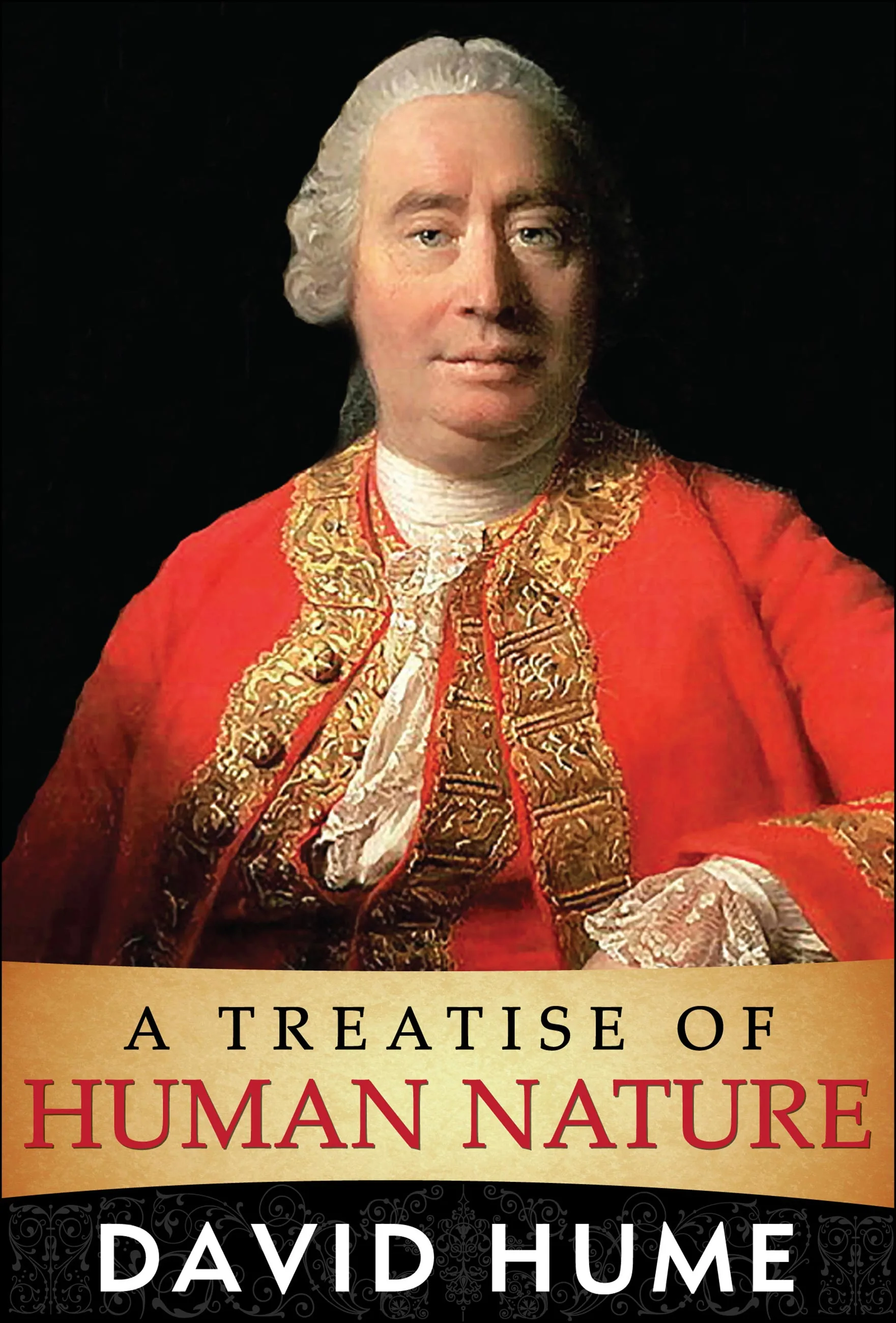
Download Cover Image
Do you want to download the full cover image for A Treatise of Human Nature?