
The Symbolist Movement in Literature
eBook
• INR 70.00
• English
• 9789388760386
No ratings yet
| Publisher | General Press |
|---|---|
| ISBN13 | 9789388760386 |
| ASIN/SKU | B07NSC6DST |
| Book Format | eBook |
| Language | English |
| List Price | INR 70.00 |
| Subject Code | LIT004120, LCO010000 |
| Publishing Date | 15/02/2019 |
| Book Code | BD00068563 |
Buy this Book
Amazon Stores
Ebook Stores
Other Stores
Discover The Symbolist Movement in Literature by Arthur Symons. This book is published by General Press in eBook format, ISBN 9789388760386, ASIN B07NSC6DST, under Literature and Fiction, Classics.
Book Description
The Symbolist Movement in Literature' is a highly influential work of criticism and served to introduce the French Symbolists to an Anglophone readership. This work had a formative influence on modernist writers such as Joyce, Eliot, Pound and Yeats, helping to shape the role of the Image in modernist writing.
Without symbolism there can be no literature; indeed, not even language. Symbolism in literature really is a form of expression, at the best but approximate, essentially but arbitrary, until it has obtained the force of a convention, for an unseen reality apprehended by the consciousness.
Without symbolism there can be no literature; indeed, not even language. Symbolism in literature really is a form of expression, at the best but approximate, essentially but arbitrary, until it has obtained the force of a convention, for an unseen reality apprehended by the consciousness.
Author Biography
Arthur Symons (1865–1945) was a Welsh-born British poet, critic, translator, editor, and essayist who played a significant role in introducing the Symbolist movement to English literature. A leading figure of the literary Decadent movement in the late nineteenth century, Symons believed that poetry should evoke emotion, atmosphere, and inner experience rather than simply describe the visible world. Through both his original writings and his literary criticism, he helped shape the direction of modern poetry and influenced some of the twentieth century's greatest writers, including T.S. Eliot and W.B. Yeats.
Symons was born on February 28, 1865, in Milford Haven, Wales, into a deeply religious Methodist family. His early years were marked by frequent travel and a broad education that exposed him to literature, music, and European culture. Although he did not pursue a conventional academic path, he developed an extraordinary love of languages and literature. His fascination with French poetry, especially the works of Charles Baudelaire, Paul Verlaine, and Stéphane Mallarmé, inspired him to explore new forms of poetic expression that emphasized suggestion, symbolism, and musical rhythm.
During the 1890s, Symons became one of Britain's most influential literary critics. His landmark work, The Symbolist Movement in Literature (1899), introduced English-speaking readers to the ideas and achievements of French Symbolist writers. The book profoundly influenced emerging modernist authors by encouraging them to move beyond traditional poetic forms and embrace imagination, subtlety, and psychological depth. Alongside his critical work, Symons published several acclaimed poetry collections, including Silhouettes, London Nights, and Images of Good and Evil. His poems often explored themes of beauty, desire, urban life, dreams, and the fleeting nature of human experience.
Symons also worked as an editor and translator, helping bring European literature to a wider audience. Despite facing periods of ill health, including a serious mental breakdown in the early twentieth century, he returned to writing and continued contributing essays, memoirs, and literary studies throughout his later years.
Arthur Symons passed away in 1945, leaving behind a rich body of work that bridged Victorian literature and literary modernism. Today, he is remembered not only as a gifted poet but also as an influential critic whose writings helped transform English poetry by opening it to new artistic movements, fresh ideas, and a deeper exploration of the human imagination.
Symons was born on February 28, 1865, in Milford Haven, Wales, into a deeply religious Methodist family. His early years were marked by frequent travel and a broad education that exposed him to literature, music, and European culture. Although he did not pursue a conventional academic path, he developed an extraordinary love of languages and literature. His fascination with French poetry, especially the works of Charles Baudelaire, Paul Verlaine, and Stéphane Mallarmé, inspired him to explore new forms of poetic expression that emphasized suggestion, symbolism, and musical rhythm.
During the 1890s, Symons became one of Britain's most influential literary critics. His landmark work, The Symbolist Movement in Literature (1899), introduced English-speaking readers to the ideas and achievements of French Symbolist writers. The book profoundly influenced emerging modernist authors by encouraging them to move beyond traditional poetic forms and embrace imagination, subtlety, and psychological depth. Alongside his critical work, Symons published several acclaimed poetry collections, including Silhouettes, London Nights, and Images of Good and Evil. His poems often explored themes of beauty, desire, urban life, dreams, and the fleeting nature of human experience.
Symons also worked as an editor and translator, helping bring European literature to a wider audience. Despite facing periods of ill health, including a serious mental breakdown in the early twentieth century, he returned to writing and continued contributing essays, memoirs, and literary studies throughout his later years.
Arthur Symons passed away in 1945, leaving behind a rich body of work that bridged Victorian literature and literary modernism. Today, he is remembered not only as a gifted poet but also as an influential critic whose writings helped transform English poetry by opening it to new artistic movements, fresh ideas, and a deeper exploration of the human imagination.
Editorial Reviews
Editorial Reviews will be added soon…
Book Summary
Book Summary will be added soon…
Sample Chapters
Sample Chapters will be added soon…
Reader Reviews
No reviews yet.
The Symbolist Movement in Literature
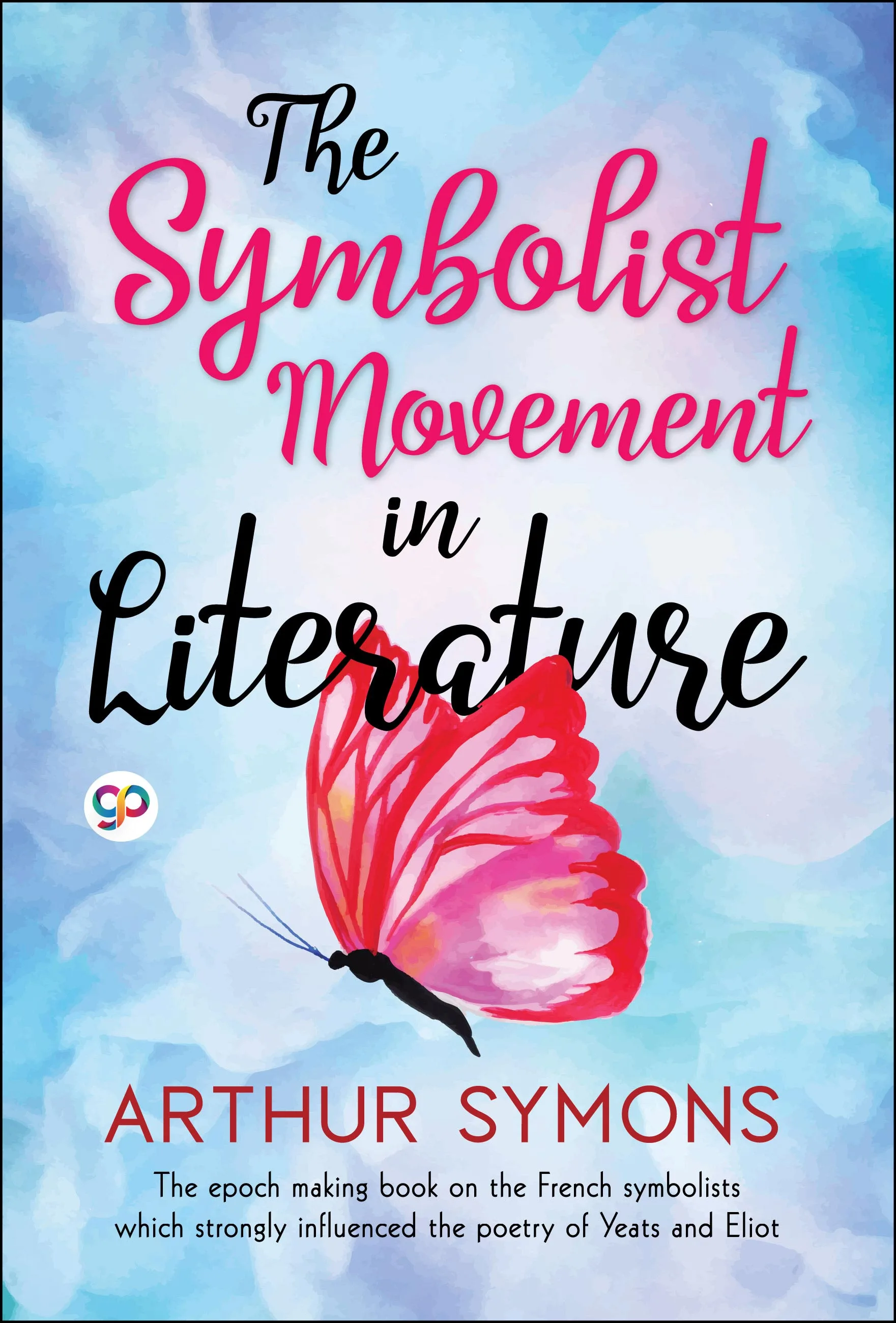
Download Cover Image
Do you want to download the full cover image for The Symbolist Movement in Literature?