
The Life of God in the Soul of Man
eBook
• INR 70.00
• English
• 9789389157031
No ratings yet
| Publisher | General Press |
|---|---|
| ISBN13 | 9789389157031 |
| ASIN/SKU | B07RQ9T81T |
| Book Format | eBook |
| Language | English |
| List Price | INR 70.00 |
| Subject Code | REL077000, REL012020 |
| Publishing Date | 08/05/2019 |
| Book Code | BD00068601 |
Buy this Book
Amazon Stores
Ebook Stores
Other Stores
Discover The Life of God in the Soul of Man by Henry Scougal. This book is published by General Press in eBook format, ISBN 9789389157031, ASIN B07RQ9T81T, under Christian Books and Bibles, Religion.
Book Description
The Life of God in the Soul of Man by Henry Scougal is a timeless Christian devotional classic that explores the true nature of authentic faith and spiritual transformation. First published in 1677, the book was originally written as a personal letter to a friend, yet its profound insights have inspired generations of readers seeking a deeper relationship with God. Rather than emphasizing outward religious practices alone, Scougal argues that genuine Christianity begins with an inward renewal of the heart, where God's presence shapes a person's thoughts, character, and actions.
Throughout the book, Scougal explains that true religion is not merely a matter of following rituals or accepting doctrines, but of experiencing a living and personal union with God. He encourages readers to cultivate virtues such as humility, love, purity, compassion, and selfless devotion, presenting these qualities as natural expressions of a soul transformed by divine grace. The work also reflects on the limitations of worldly ambition and fleeting pleasures, contrasting them with the lasting joy and peace that come from a life centered on God.
Written in graceful, reflective prose, The Life of God in the Soul of Man combines theological depth with practical spiritual wisdom. Its message is both simple and profound, inviting readers to move beyond superficial expressions of faith and embrace a sincere, heartfelt commitment to spiritual growth. More than a devotional treatise, the book is a gentle yet powerful meditation on the transforming power of God's love, reminding readers that the essence of the Christian life is found in an inner relationship with the divine that renews every aspect of human existence.
Throughout the book, Scougal explains that true religion is not merely a matter of following rituals or accepting doctrines, but of experiencing a living and personal union with God. He encourages readers to cultivate virtues such as humility, love, purity, compassion, and selfless devotion, presenting these qualities as natural expressions of a soul transformed by divine grace. The work also reflects on the limitations of worldly ambition and fleeting pleasures, contrasting them with the lasting joy and peace that come from a life centered on God.
Written in graceful, reflective prose, The Life of God in the Soul of Man combines theological depth with practical spiritual wisdom. Its message is both simple and profound, inviting readers to move beyond superficial expressions of faith and embrace a sincere, heartfelt commitment to spiritual growth. More than a devotional treatise, the book is a gentle yet powerful meditation on the transforming power of God's love, reminding readers that the essence of the Christian life is found in an inner relationship with the divine that renews every aspect of human existence.
Author Biography
Henry Scougal (1650–1678) was a Scottish theologian, minister, and university professor whose brief but deeply influential life left a lasting mark on Christian devotional literature. Though he died at the age of only twenty-seven, his writings—especially The Life of God in the Soul of Man—have inspired readers for more than three centuries. His emphasis on heartfelt faith, spiritual renewal, and a personal relationship with God continues to resonate across Christian traditions.
Born in June 1650 in Aberdeen, Scotland, Scougal grew up in a family devoted to learning and religious service. His father, Patrick Scougal, was a respected minister who later became Bishop of Aberdeen, providing Henry with a strong intellectual and spiritual foundation. From an early age, he displayed exceptional academic ability, combined with humility and a sincere desire to understand the deeper meaning of Christian faith.
Scougal studied at King's College, University of Aberdeen, where he excelled in theology, philosophy, and classical studies. His brilliance earned him a position as Professor of Divinity at the remarkably young age of twenty-four. As a teacher, he was admired not only for his scholarship but also for his gentle character, integrity, and genuine concern for the spiritual growth of his students. He believed that education should shape both the mind and the heart, encouraging believers to live lives of compassion, wisdom, and devotion.
His most famous work, The Life of God in the Soul of Man, began as a personal letter to a friend seeking guidance in the Christian life. The letter explained that true religion is not merely the observance of rituals or adherence to doctrine but the transformation of the soul through the love and grace of God. Published after Scougal's death, the work became a spiritual classic, influencing prominent Christian leaders such as George Whitefield and John Wesley. Its clear language, profound insights, and timeless message have made it one of the most enduring devotional books in Christian literature.
Henry Scougal's promising career was cut short when he died of tuberculosis on June 13, 1678. Despite his short life, his influence has been extraordinary. Today, he is remembered as a gifted theologian, compassionate teacher, and inspiring spiritual writer whose simple yet profound understanding of faith continues to guide readers seeking a deeper and more authentic Christian life.
Born in June 1650 in Aberdeen, Scotland, Scougal grew up in a family devoted to learning and religious service. His father, Patrick Scougal, was a respected minister who later became Bishop of Aberdeen, providing Henry with a strong intellectual and spiritual foundation. From an early age, he displayed exceptional academic ability, combined with humility and a sincere desire to understand the deeper meaning of Christian faith.
Scougal studied at King's College, University of Aberdeen, where he excelled in theology, philosophy, and classical studies. His brilliance earned him a position as Professor of Divinity at the remarkably young age of twenty-four. As a teacher, he was admired not only for his scholarship but also for his gentle character, integrity, and genuine concern for the spiritual growth of his students. He believed that education should shape both the mind and the heart, encouraging believers to live lives of compassion, wisdom, and devotion.
His most famous work, The Life of God in the Soul of Man, began as a personal letter to a friend seeking guidance in the Christian life. The letter explained that true religion is not merely the observance of rituals or adherence to doctrine but the transformation of the soul through the love and grace of God. Published after Scougal's death, the work became a spiritual classic, influencing prominent Christian leaders such as George Whitefield and John Wesley. Its clear language, profound insights, and timeless message have made it one of the most enduring devotional books in Christian literature.
Henry Scougal's promising career was cut short when he died of tuberculosis on June 13, 1678. Despite his short life, his influence has been extraordinary. Today, he is remembered as a gifted theologian, compassionate teacher, and inspiring spiritual writer whose simple yet profound understanding of faith continues to guide readers seeking a deeper and more authentic Christian life.
Editorial Reviews
Editorial Reviews will be added soon…
Book Summary
Book Summary will be added soon…
Sample Chapters
Sample Chapters will be added soon…
Reader Reviews
No reviews yet.
The Life of God in the Soul of Man
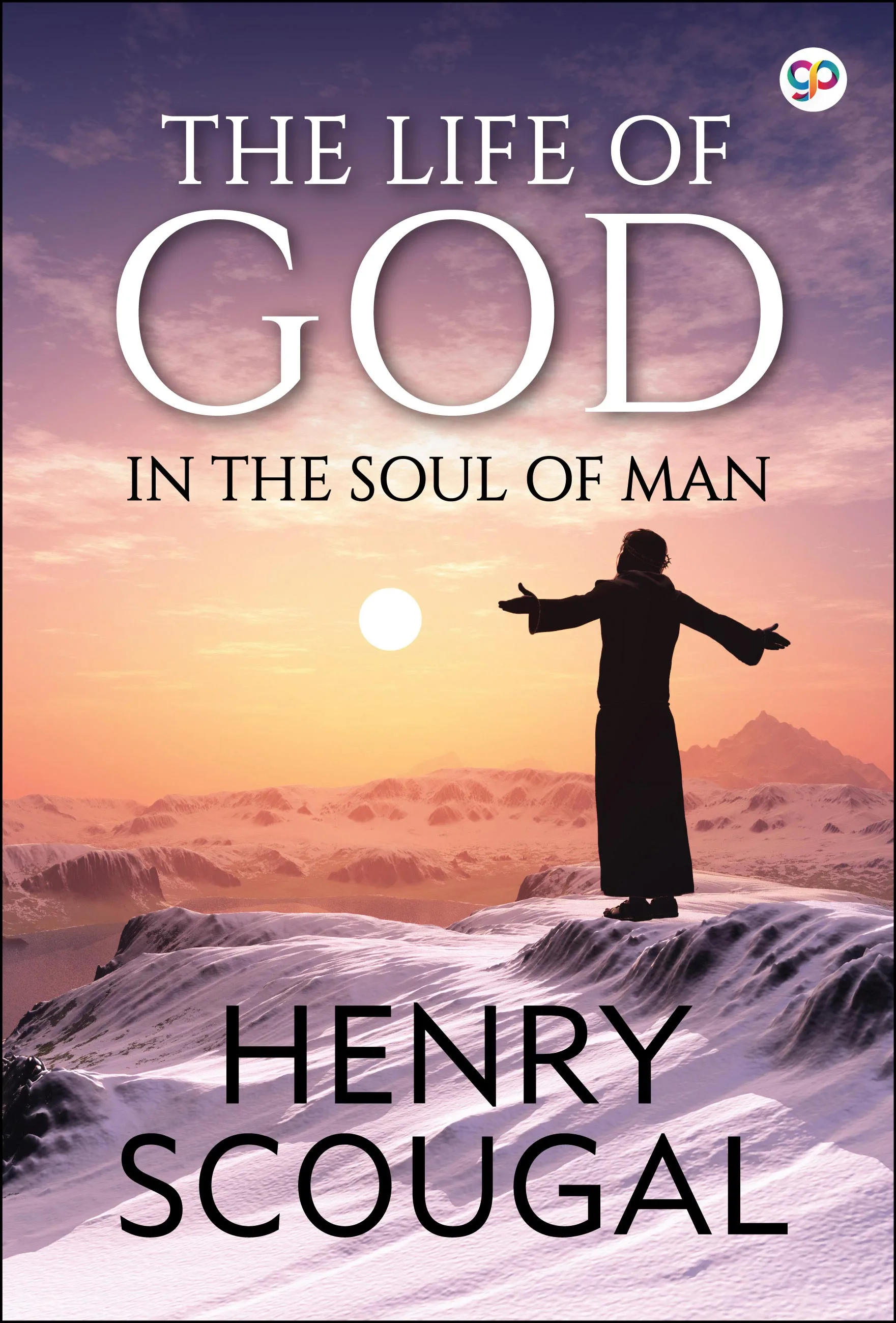
Download Cover Image
Do you want to download the full cover image for The Life of God in the Soul of Man?