
Experiencing the Holy Spirit
eBook
• 110 Pages
• INR 51.00
• English
• 9789389157680
No ratings yet
| Publisher | General Press |
|---|---|
| ISBN13 | 9789389157680 |
| ASIN/SKU | B07VB5P78K |
| Book Format | eBook |
| Language | English |
| Pages | 110 |
| List Price | INR 51.00 |
| Subject Code | REL067090, REL012000 |
| Publishing Date | 16/07/2019 |
| Book Code | BD00068604 |
Buy this Book
Amazon Stores
Ebook Stores
Other Stores
Discover Experiencing the Holy Spirit by Andrew Murray. This book is published by General Press in eBook format, ISBN 9789389157680, ASIN B07VB5P78K, under Christian Books and Bibles, Spirituality, Christianity.
Book Description
'Experiencing the Holy Spirit' by Andrew Murray is a classic Christian devotional and spiritual-growth book that invites readers to discover a deeper, more personal relationship with the Holy Spirit. What happens when faith moves beyond religious routine and becomes a living experience of God’s presence, guidance, and power? Murray explores this question with the warmth and earnestness that have made his writings enduring favorites among Christian readers.
Rather than presenting the Holy Spirit as an abstract theological idea, Murray focuses on how believers can recognize and respond to the Spirit’s work in everyday life. He examines the Spirit’s role in prayer, obedience, holiness, spiritual strength, and inner transformation, encouraging readers to become more attentive to God’s presence. His central message is that Christian life is not meant to be lived through human effort alone. The believer is called to depend upon the Holy Spirit, surrender personal will to God, and allow divine grace to shape thoughts, choices, desires, and actions.
Throughout the book, Murray emphasizes the importance of humility, faith, patience, and complete dependence on God. He challenges readers to look honestly at the difference between knowing about the Holy Spirit and actually yielding to His influence. His reflections encourage a faith that is active rather than merely intellectual, helping readers consider what it means to seek God wholeheartedly and trust Him in both ordinary responsibilities and deeper spiritual struggles.
Written in clear, devotional language, 'Experiencing the Holy Spirit' is especially meaningful for readers interested in Christian spirituality, prayer, sanctification, and a deeper understanding of the Holy Spirit’s place in the believer’s life. Andrew Murray’s thoughtful approach makes the book both reflective and practical, offering ideas that can be revisited slowly through personal prayer and meditation. For anyone longing for a more intimate and transformative experience of faith, this book opens the door to questions that may continue to resonate long after the final page.
Rather than presenting the Holy Spirit as an abstract theological idea, Murray focuses on how believers can recognize and respond to the Spirit’s work in everyday life. He examines the Spirit’s role in prayer, obedience, holiness, spiritual strength, and inner transformation, encouraging readers to become more attentive to God’s presence. His central message is that Christian life is not meant to be lived through human effort alone. The believer is called to depend upon the Holy Spirit, surrender personal will to God, and allow divine grace to shape thoughts, choices, desires, and actions.
Throughout the book, Murray emphasizes the importance of humility, faith, patience, and complete dependence on God. He challenges readers to look honestly at the difference between knowing about the Holy Spirit and actually yielding to His influence. His reflections encourage a faith that is active rather than merely intellectual, helping readers consider what it means to seek God wholeheartedly and trust Him in both ordinary responsibilities and deeper spiritual struggles.
Written in clear, devotional language, 'Experiencing the Holy Spirit' is especially meaningful for readers interested in Christian spirituality, prayer, sanctification, and a deeper understanding of the Holy Spirit’s place in the believer’s life. Andrew Murray’s thoughtful approach makes the book both reflective and practical, offering ideas that can be revisited slowly through personal prayer and meditation. For anyone longing for a more intimate and transformative experience of faith, this book opens the door to questions that may continue to resonate long after the final page.
Author Biography
Andrew Murray (1828-1917) was an amazingly prolific Christian writer. He lived and ministered as both a pastor and author in the towns and villages of South Africa. Some of Murray's earliest works were written to provide nurture and guidance to Christians, whether young or old in the faith; they were actually an extension of his pastoral work. Once books such as Abide in Christ, Divine Healing, and With Christ in the School of Prayer were written, Murray became widely known, and new books from his pen were awaited with great eagerness throughout the world.
He wrote to give daily practical help to many of the people in his congregation who lived out in the farming communities and could come into town for church services only on rare occasions. As he wrote these books of instruction, Murray adopted the practice of placing many of his more devotional books into thirty-one separate readings to correspond with the days of the month.
At the age of seventy-eight, Murray resigned from the pastorate and devoted most of his time to his manuscripts. He continued to write profusely, moving from one book to the next with an intensity of purpose and a zeal that few men of God have ever equaled. He often said of himself, rather humorously, that he was like a hen about to hatch an egg; he was restless and unhappy until he got the burden of the message off his mind.
During these later years, after hearing of pocket-sized paperbacks, Andrew Murray immediately began to write books to be published in that fashion. He thought it was a splendid way to have the teachings of the Christian life at your fingertips, where they could be carried around and read at any time of the day.
One source has said of Andrew Murray that his prolific style possesses the strength and eloquence that are born of deep earnestness and a sense of the solemnity of the issues of the Christian life. Nearly every page reveals an intensity of purpose and appeal that stirs men to the depths of their souls. Murray moves the emotions, searches the conscience, and reveals the sins and shortcomings of many of us with a love and hope born out of an intimate knowledge of the mercy and faithfulness of God.
For Andrew Murray, prayer was considered our personal home base from which we live our Christian lives and extend ourselves to others. During his later years, the vital necessity of unceasing prayer in the spiritual life came to the forefront of his teachings. It was then that he revealed the secret treasures of his heart concerning a life of persistent and believing prayer.
Countless people the world over have hailed Andrew Murray as their spiritual father and given credit for much of their Christian growth to the influence of his priceless devotional books.
He wrote to give daily practical help to many of the people in his congregation who lived out in the farming communities and could come into town for church services only on rare occasions. As he wrote these books of instruction, Murray adopted the practice of placing many of his more devotional books into thirty-one separate readings to correspond with the days of the month.
At the age of seventy-eight, Murray resigned from the pastorate and devoted most of his time to his manuscripts. He continued to write profusely, moving from one book to the next with an intensity of purpose and a zeal that few men of God have ever equaled. He often said of himself, rather humorously, that he was like a hen about to hatch an egg; he was restless and unhappy until he got the burden of the message off his mind.
During these later years, after hearing of pocket-sized paperbacks, Andrew Murray immediately began to write books to be published in that fashion. He thought it was a splendid way to have the teachings of the Christian life at your fingertips, where they could be carried around and read at any time of the day.
One source has said of Andrew Murray that his prolific style possesses the strength and eloquence that are born of deep earnestness and a sense of the solemnity of the issues of the Christian life. Nearly every page reveals an intensity of purpose and appeal that stirs men to the depths of their souls. Murray moves the emotions, searches the conscience, and reveals the sins and shortcomings of many of us with a love and hope born out of an intimate knowledge of the mercy and faithfulness of God.
For Andrew Murray, prayer was considered our personal home base from which we live our Christian lives and extend ourselves to others. During his later years, the vital necessity of unceasing prayer in the spiritual life came to the forefront of his teachings. It was then that he revealed the secret treasures of his heart concerning a life of persistent and believing prayer.
Countless people the world over have hailed Andrew Murray as their spiritual father and given credit for much of their Christian growth to the influence of his priceless devotional books.
Editorial Reviews
Editorial Reviews will be added soon…
Book Summary
Andrew Murray’s "Experiencing the Holy Spirit" is a profound, deeply convicting exploration of what it actually means to live a life animated by the third person of the Trinity. Written by the beloved South African pastor and author whose works have shaped Christian devotional life for over a century, this book addresses a persistent ache within the modern church: the gap between the promises of the New Testament and the everyday reality of most believers. Murray observed that many Christians live in a state of perpetual spiritual exhaustion, striving to fulfill God's commands through their own willpower and discipline. He argues that this is fundamentally a misunderstanding of the gospel. The Christian life was never meant to be lived in human strength, but rather through the empowering, indwelling presence of the Holy Spirit. Murray’s central thesis is that the Spirit is the indispensable key to experiencing the abundant life that Jesus promised, moving the believer from a place of chronic defeat to one of enduring victory.
To understand the necessity of the Holy Spirit, Murray first draws a sharp, uncomfortable line between what the Apostle Paul called the "carnal" Christian and the "spiritual" Christian. The carnal believer is one who has accepted Christ for salvation but continues to rely on their own intellect, emotions, and fleshly efforts to navigate life and ministry. This reliance on the self invariably leads to a cycle of sin, repentance, and frustration. Murray points out that the disciples before Pentecost were the ultimate example of this: they loved Jesus deeply, yet they argued about who was the greatest, fell asleep when they should have been praying, and ultimately abandoned Him in His darkest hour. It was not until they were baptized with the Holy Spirit that their timid, self-centered natures were radically transformed into bold, sacrificial vessels of God's power. Murray insists that this same transformation is not merely a historical event to look back on, but a present necessity for every individual who calls themselves a follower of Christ.
The transition from carnal striving to spiritual resting begins with a revelation of what the Holy Spirit actually does. Murray beautifully articulates that the primary ministry of the Holy Spirit is to make the glorified Christ a living reality within the human heart. While Jesus walked the earth, He was limited by time and space, standing beside His disciples as a teacher, guide, and friend. But through the Holy Spirit, Jesus is no longer just with His followers; He takes up residence within them. The Holy Spirit is the Spirit of Jesus Himself, bringing the very life, character, and power of the resurrected Lord into the believer's inner being. For Murray, experiencing the Holy Spirit is not about seeking a mystical force or chasing emotional highs; it is about intimately knowing Jesus Christ and allowing His life to flow seamlessly through ours.
However, experiencing this fullness is not automatic, and Murray is uncompromising about the conditions required to receive it. The absolute prerequisite for the filling of the Holy Spirit is complete and unconditional surrender to God. The Spirit cannot fill a vessel that is already full of self-will, pride, and worldly attachments. Murray calls believers to the altar of sacrifice, urging them to hand over the reigns of their lives entirely—their ambitions, their fears, their relationships, and their intellect. This process requires a painful but necessary crucifixion of the flesh. We must come to the absolute end of ourselves, confessing our utter inability to live the Christian life on our own terms. It is only in the soil of deep humility and brokenness that the Holy Spirit can take root and flourish.
Once the heart is surrendered, the filling of the Holy Spirit is received in the exact same manner that salvation is received: by simple, childlike faith. Murray warns against the common trap of waiting for a sensational feeling or a dramatic emotional experience before believing that God has answered the prayer for the Spirit's filling. God has promised to give the Holy Spirit to those who ask Him, and faith takes God at His word. The believer is called to step out in quiet confidence, trusting that as they have offered themselves completely to God, the Spirit has taken full possession of them. This faith is not a passive resignation, but an active, daily reckoning that the Spirit is at work within, even when external circumstances or internal emotions suggest otherwise.
This life of faith is sustained and nurtured through a vital connection to the Word of God, and Murray highlights the inseparable relationship between the Spirit and the Scriptures. The Bible was authored by the inspiration of the Holy Spirit, and therefore, it can only be truly understood and applied through the illumination of that same Spirit. Murray cautions against approaching the Bible purely as an intellectual exercise or a textbook of theology. Without the Spirit's breath, the Word remains a dead letter, capable of imparting knowledge but powerless to transform the soul. Conversely, the Spirit uses the Word as His primary instrument to feed the believer, to correct error, and to reveal the mind of God. The Spirit and the Word must operate together; the Word provides the objective truth, while the Spirit provides the subjective realization of that truth in the heart.
Perhaps nowhere is the impact of the Holy Spirit more profoundly felt than in the realm of prayer, a subject entirely dear to Murray's heart. He illustrates that left to our own devices, our prayers are often shallow, self-centered, and bound by our limited understanding of our own needs. The Holy Spirit, however, transforms prayer from a monologue of human requests into a divine dialogue. The Spirit helps us in our weakness, interceding for us and through us with groanings too deep for words. When a believer is filled with the Spirit, their prayer life shifts from merely asking God to bless their own plans to aligning their heart with God's redemptive purposes for the world. True, Spirit-led prayer is the avenue through which God's power is released into human history, making it the most vital work of the Christian life.
As the believer walks in this surrendered, Word-nourished, and prayerful state, the inevitable result is the manifestation of the fruit of the Spirit. While Murray acknowledges the reality and importance of spiritual gifts for ministry, he firmly subordinates them to the development of spiritual character. The ultimate evidence of the Holy Spirit's control in a person's life is not miraculous displays or dynamic preaching, but the quiet, enduring presence of divine love, joy, peace, patience, kindness, goodness, faithfulness, gentleness, and self-control. The Spirit's ultimate goal is to reproduce the image of Jesus Christ in the life of the believer. If our pursuit of the Spirit does not make us more loving, more patient, and more Christlike in our daily interactions, Murray warns that we have entirely missed the purpose of His coming.
Furthermore, Murray emphasizes that experiencing the Holy Spirit is not a one-time crisis or a solitary mountaintop encounter, but a continuous, moment-by-moment abiding. The biblical command to "be filled with the Spirit" implies a continuous, ongoing action rather than a singular event. Just as the physical body requires fresh air with every breath, the soul requires the fresh, continuous inbreathing of the Holy Spirit. This requires a daily discipline of returning to the posture of surrender, a constant yielding to His subtle promptings, and a swift repentance when we grieve Him through sin or disobedience. It is a walk of deep dependency, where the believer learns to lean on the Spirit's guidance in the mundane details of daily life just as much as in the major crises.
In conclusion, Andrew Murray’s 'Experiencing the Holy Spirit' stands as a timeless invitation to leave behind the shallow waters of nominal Christianity and dive into the depths of a life entirely possessed by God. It strips away the illusions of self-righteousness and human effort, pointing the weary believer back to the only source of genuine spiritual vitality. By challenging us to surrender our wills, trust in God's promises, and cultivate a daily communion with the Spirit, Murray offers a roadmap to the abundant, victorious life that Christ secured for us. It is a deeply hopeful book, assuring every believer that the same power that raised Jesus from the dead is waiting, willing, and eager to transform their ordinary life into an extraordinary vessel of God’s grace.
To understand the necessity of the Holy Spirit, Murray first draws a sharp, uncomfortable line between what the Apostle Paul called the "carnal" Christian and the "spiritual" Christian. The carnal believer is one who has accepted Christ for salvation but continues to rely on their own intellect, emotions, and fleshly efforts to navigate life and ministry. This reliance on the self invariably leads to a cycle of sin, repentance, and frustration. Murray points out that the disciples before Pentecost were the ultimate example of this: they loved Jesus deeply, yet they argued about who was the greatest, fell asleep when they should have been praying, and ultimately abandoned Him in His darkest hour. It was not until they were baptized with the Holy Spirit that their timid, self-centered natures were radically transformed into bold, sacrificial vessels of God's power. Murray insists that this same transformation is not merely a historical event to look back on, but a present necessity for every individual who calls themselves a follower of Christ.
The transition from carnal striving to spiritual resting begins with a revelation of what the Holy Spirit actually does. Murray beautifully articulates that the primary ministry of the Holy Spirit is to make the glorified Christ a living reality within the human heart. While Jesus walked the earth, He was limited by time and space, standing beside His disciples as a teacher, guide, and friend. But through the Holy Spirit, Jesus is no longer just with His followers; He takes up residence within them. The Holy Spirit is the Spirit of Jesus Himself, bringing the very life, character, and power of the resurrected Lord into the believer's inner being. For Murray, experiencing the Holy Spirit is not about seeking a mystical force or chasing emotional highs; it is about intimately knowing Jesus Christ and allowing His life to flow seamlessly through ours.
However, experiencing this fullness is not automatic, and Murray is uncompromising about the conditions required to receive it. The absolute prerequisite for the filling of the Holy Spirit is complete and unconditional surrender to God. The Spirit cannot fill a vessel that is already full of self-will, pride, and worldly attachments. Murray calls believers to the altar of sacrifice, urging them to hand over the reigns of their lives entirely—their ambitions, their fears, their relationships, and their intellect. This process requires a painful but necessary crucifixion of the flesh. We must come to the absolute end of ourselves, confessing our utter inability to live the Christian life on our own terms. It is only in the soil of deep humility and brokenness that the Holy Spirit can take root and flourish.
Once the heart is surrendered, the filling of the Holy Spirit is received in the exact same manner that salvation is received: by simple, childlike faith. Murray warns against the common trap of waiting for a sensational feeling or a dramatic emotional experience before believing that God has answered the prayer for the Spirit's filling. God has promised to give the Holy Spirit to those who ask Him, and faith takes God at His word. The believer is called to step out in quiet confidence, trusting that as they have offered themselves completely to God, the Spirit has taken full possession of them. This faith is not a passive resignation, but an active, daily reckoning that the Spirit is at work within, even when external circumstances or internal emotions suggest otherwise.
This life of faith is sustained and nurtured through a vital connection to the Word of God, and Murray highlights the inseparable relationship between the Spirit and the Scriptures. The Bible was authored by the inspiration of the Holy Spirit, and therefore, it can only be truly understood and applied through the illumination of that same Spirit. Murray cautions against approaching the Bible purely as an intellectual exercise or a textbook of theology. Without the Spirit's breath, the Word remains a dead letter, capable of imparting knowledge but powerless to transform the soul. Conversely, the Spirit uses the Word as His primary instrument to feed the believer, to correct error, and to reveal the mind of God. The Spirit and the Word must operate together; the Word provides the objective truth, while the Spirit provides the subjective realization of that truth in the heart.
Perhaps nowhere is the impact of the Holy Spirit more profoundly felt than in the realm of prayer, a subject entirely dear to Murray's heart. He illustrates that left to our own devices, our prayers are often shallow, self-centered, and bound by our limited understanding of our own needs. The Holy Spirit, however, transforms prayer from a monologue of human requests into a divine dialogue. The Spirit helps us in our weakness, interceding for us and through us with groanings too deep for words. When a believer is filled with the Spirit, their prayer life shifts from merely asking God to bless their own plans to aligning their heart with God's redemptive purposes for the world. True, Spirit-led prayer is the avenue through which God's power is released into human history, making it the most vital work of the Christian life.
As the believer walks in this surrendered, Word-nourished, and prayerful state, the inevitable result is the manifestation of the fruit of the Spirit. While Murray acknowledges the reality and importance of spiritual gifts for ministry, he firmly subordinates them to the development of spiritual character. The ultimate evidence of the Holy Spirit's control in a person's life is not miraculous displays or dynamic preaching, but the quiet, enduring presence of divine love, joy, peace, patience, kindness, goodness, faithfulness, gentleness, and self-control. The Spirit's ultimate goal is to reproduce the image of Jesus Christ in the life of the believer. If our pursuit of the Spirit does not make us more loving, more patient, and more Christlike in our daily interactions, Murray warns that we have entirely missed the purpose of His coming.
Furthermore, Murray emphasizes that experiencing the Holy Spirit is not a one-time crisis or a solitary mountaintop encounter, but a continuous, moment-by-moment abiding. The biblical command to "be filled with the Spirit" implies a continuous, ongoing action rather than a singular event. Just as the physical body requires fresh air with every breath, the soul requires the fresh, continuous inbreathing of the Holy Spirit. This requires a daily discipline of returning to the posture of surrender, a constant yielding to His subtle promptings, and a swift repentance when we grieve Him through sin or disobedience. It is a walk of deep dependency, where the believer learns to lean on the Spirit's guidance in the mundane details of daily life just as much as in the major crises.
In conclusion, Andrew Murray’s 'Experiencing the Holy Spirit' stands as a timeless invitation to leave behind the shallow waters of nominal Christianity and dive into the depths of a life entirely possessed by God. It strips away the illusions of self-righteousness and human effort, pointing the weary believer back to the only source of genuine spiritual vitality. By challenging us to surrender our wills, trust in God's promises, and cultivate a daily communion with the Spirit, Murray offers a roadmap to the abundant, victorious life that Christ secured for us. It is a deeply hopeful book, assuring every believer that the same power that raised Jesus from the dead is waiting, willing, and eager to transform their ordinary life into an extraordinary vessel of God’s grace.
Sample Chapters
Chapter 1 : How the Blessing is to Be Taught
“And it happened… that Paul… came to Ephesus. And finding some disciples he said to them, “Did you receive the Holy Spirit when you believed?” —Acts 19:1–2
About twenty years after the outpouring of the Holy Spirit, this incident took place. In the course of his journey, Paul came to Ephesus and found in the Christian church some disciples in whom he observed that there was something lacking in their belief or experience. Accordingly he asked them the question, “Did you receive the Holy Spirit when you believed?” Their reply was that they had not even heard of the Holy Spirit. They had been baptized by disciples of John the Baptist with the baptism of repentance, with a view to faith in Jesus as One who was to come, but they were still unacquainted with the great event of the outpouring of the Spirit or the significance of it. They came from a region of the country into which the full Pentecostal preaching of the exalted Savior had not yet penetrated.
Paul took them at once under his care and told them about the full Gospel of the glorified Lord who had received the Spirit from the Father and had sent Him down to this world so that every one of His believing disciples might also receive Him. Hearing this good news and agreeing with it, they were baptized into the name of this Savior who baptizes with the Holy Spirit. Paul then laid his hands on them and prayed, and they received the Holy Spirit. They obtained a share in the Pentecostal miracle and spoke with other tongues.
In these chapters, it is my desire to bring to the children of God the message that there is a twofold Christian life. The one is that in which we experience something of the operations of the Holy Spirit, just as many did under the old covenant, but we do not yet receive Him as the Pentecostal Spirit, as the personal indwelling Guest. On the other hand, there is a more abundant life, in which the indwelling just referred to is known and experienced. When Christians come to fully understand the distinction between these two conditions, they will find the will of God concerning them.
Therefore, it is a possible experience for each believer, having confessed the sinfulness and inconsistency that still marks our lives, to dare to hope that the Christian community will once more be restored to its Pentecostal power. With our focus on this distinction, let’s ponder the lessons presented in this incident at Ephesus.
Do Not Rest Prematurely
For a healthy Christian life, it is indispensable that we be fully conscious that we have received the Holy Spirit to dwell in us.
Had it been otherwise, Paul would never have asked the question, “Did you receive the Holy Spirit when you believed?” These disciples were recognized as believers. This position, however, was not enough for them. The disciples who walked with the Lord Jesus on earth were also true believers, yet He commanded them not to rest satisfied until they had received the Holy Spirit from Himself in heaven. Paul, too, had seen the Lord in His heavenly glory and was by that vision led to conversion. Yet even in his case, the spiritual work the Lord required to have done in him was not completed. Ananias had to go to him and lay his hands on him so that he might receive the Holy Spirit. Only then could he become a witness for Christ.
All these facts teach us that there are two ways in which the Holy Spirit works in us. The first is the preparatory operation in which He simply acts on us but does not yet take up His abode within us, though He leads us to conversion and faith and ever urges us to all that is good and holy. The second is the higher and more advanced phase of His working, when we receive Him as an abiding gift, as an indwelling Person who assumes responsibility for our whole inner beings. This is the ideal of the full Christian life.
Where Do We Stand?
There are disciples of Christ who know little or nothing of this conscious indwelling of the Holy Spirit.
It is of the utmost importance to understand this statement. The more fully we come under the conviction of its truth, the better we will understand the condition of the church in our times and be enabled to discover where we really stand.
The condition I refer to becomes very plain to us when we consider what took place at Samaria. Philip the evangelist had preached there. Many had been led to believe in Jesus and were baptized into His name, and there was great joy in that city. When the apostles heard this news, they sent down Peter and John, who, when they came to Samaria, prayed that these new converts might receive the Holy Spirit. (See Acts 8:16–17.) This gift was something quite different from the working of the Spirit that led them to conversion, faith, and joy in Jesus as a Savior. It was something higher; for now from heaven and by the glorified Lord Himself, the Holy Spirit was imparted in power with His abiding indwelling to consecrate and fill their hearts.
If this new experience had not been given, the Samaritan disciples would still have been Christians, but they would have remained weak. Thus it is that in our own days, there are still many Christians who know nothing of this gift of the Holy Spirit. Amid much that is good and amiable, even with much earnestness and zeal, the lives of such Christians are still hampered by weakness, stumbling, and disappointment simply because they have never been brought into vitalizing contact with power from on high. Such souls have not received the Holy Spirit as the Pentecostal gift to be possessed, kept, and filled by Him.
Can We Worship With Sincerity?
It is the great work of the gospel ministry to lead believers to the Holy Spirit.
It was the great aim of the Lord Jesus, after He had educated and trained His disciples for three years, to lead them to the point of waiting for the promise of the Father and receiving the Holy Spirit sent down from heaven. This was the chief objective of Peter on the Day of Pentecost, when, after summoning those who were convicted in their hearts to repent and be baptized for the forgiveness of sins, he assured them that they should then receive the Holy Spirit. (See Acts 2:38.)
Paul aimed at this when he asked his fellow Christians if they did not know that they were each a temple of the Holy Spirit. He reminded them that they had to be filled with the Holy Spirit. (See Ephesians 5:18.)
Yes, the supreme need of the Christian life is to receive the Holy Spirit and, when we have it, to be conscious of the fact and live in harmony with it. An evangelical minister must not merely preach about the Holy Spirit from time to time, but also direct his efforts toward teaching his congregation that there can be no true worship except through the indwelling and unceasing operation of the Holy Spirit.
To lead believers to the Holy Spirit, the great lack in their lives must be pointed out to them.
This was the intention in Paul’s question, “Did you receive the Holy Spirit when you believed?” Only those who are thirsty will drink water with eagerness, and only those who are sick will desire a physician. In the same way, it is only when believers are prepared to acknowledge the defective and sinful character of their spiritual condition that the preaching of the full blessing of Pentecost will find an entrance into their hearts.
Many Christians imagine that the only thing lacking in their lives is more earnestness or more strength and, if they only obtain these benefits, they will become all they ought to be. This makes the preaching of a full salvation of little avail. Only when the discovery is made that they are not standing in a right attitude toward the Holy Spirit, that they have only His preparatory operations but do not yet know Him in His indwelling, will the way to something higher ever be open or even be desired.
For this discovery, it is indispensable that the question should be put to each individual as pointedly and as personally as possible: “Did you receive the Holy Spirit when you believed?” When the answer takes the shape of a deeply felt and utterly sincere concern, then the time of revival is not far off.
Help to take Hold of This Blessing
In the Acts of the Apostles we read often about the laying on of hands and prayer. Even a man like Paul—whose conversion was due to the direct intervention of the Lord—had to receive the Spirit through laying on of hands and prayer on the part of Ananias. (See Acts 9:17.)
This implies that there must be among ministers of the Gospel, and believers in general, a power of the Spirit that makes them the channel of faith and courage to others. Those who are weak must be helped to take hold of the blessing for themselves. But those who have this blessing, as well as those who desire to have it, must realize and acknowledge their absolute dependence on the Lord and expect all from Him.
The gift of the Spirit is imparted only by God Himself. Every fresh outpouring of the Spirit comes from above. There must be frequent personal dealing with God. The minister of the Spirit whom God is to use for communicating the blessing, as well as the believer who is to receive it, must meet with God in immediate and close communion. “Every good gift... is from above” (James 1:17). Faith in this truth will give us courage to expect, with confidence and gladness, that the full Pentecostal blessing may be looked for and that a life under the continual leading of the Holy Spirit is within our reach.
The proclamation and the taking hold of this blessing will restore the Christian community to the primary Pentecostal power.
On the Day of Pentecost, speaking “with other tongues” (Acts 2:4) and prophesying were the results of being filled with the Spirit. Here at Ephesus, twenty years later, the very same miracle was again witnessed as the visible token and pledge of the other glorious gifts of the Spirit. We may depend on it that where the reception of the Holy Spirit and the possibility of being filled with Him are proclaimed and taken hold of, the blessed life of the Pentecostal community will be restored in all its fresh power.
An increasing acknowledgement of the lack of power in the church exists today. In spite of the multiplication of the means of grace, there is neither the power of the divine salvation in believers nor the power for conversion in preaching.
Little conflict exists in the church between worldliness and unbelief.
This complaint is justified. If the expression of it became strong enough, the children of God might be led to cast themselves on the great truth that the Word of God teaches. When faith in the full Pentecostal blessing is found in the Christian church again, the members will find their strength and be able to do their first works.
The Church Needs Men Who Testify
We need more pastors and teachers who preach Christ Jesus as John the Baptist did—as the One who baptizes with the Holy Spirit. It is only the minister who stands forth as a personal witness and living proof of the ministry of the Spirit whose word will have full entrance into the hearts of the people and exercise full sway over them. The first disciples obtained the baptism on their knees, and on their knees they obtained it for others. It will be on our knees also that the full blessing will be won today. Let this be the attitude in which we await the full blessing of our God.
Have you received the Holy Spirit since you believed? To be filled with the Holy Spirit of God and to have the full enjoyment of the Pentecostal blessing is the will of God concerning us. Judge your life and your work before the Lord in the light of this question, and present your answer to God.
Do not be afraid to confess before your Lord what is still lacking in you. Do not hold back, although you do not as yet fully understand what the blessing is or how it comes. The early disciples called on their Lord and waited with prayer and supplication.
Let your heart be filled with a deep conviction of what you lack, a desire for what God offers, and a willingness to sacrifice everything for it. Then you may rest assured that the marvel of Jerusalem and Samaria, of Caesarea and Ephesus, will once again be repeated. We may and we will be filled with the Spirit.
Chapter 2 : How Glorious the Blessing Is
“They were all filled with the Holy Spirit.” —Acts 2:4
Whenever we speak of being filled with the Holy Spirit and desire to know precisely what it is, our thoughts always turn back to the Day of Pentecost. How glorious the blessing is that is brought from heaven by the Holy Spirit!
One fact makes the great event of the Day of Pentecost doubly instructive—namely, that, by their three-year relationship with the Lord Jesus, we have learned to know intimately the men who were then filled with the Spirit. Their weaknesses, defects, sins, and perversities all stand open to our view.
The blessing of Pentecost brought about a complete transformation. They became entirely new men, so that one could say of them with truth, “Old things have passed away; behold, all things have become new” (2 Cor. 5:17). Close study of them and their example will help us in more than one way. It shows us to what weak and sinful men the Spirit will come. It teaches us how they were prepared for the blessing. It teaches us also—and this is the principal thing—how mighty and complete the transformation is when the Holy Spirit is received in His fullness. It lets us see how glorious is the grace that awaits us if we diligently search for spiritual excellence through the full blessing of Pentecost.
Blessings of the Pentecostal Life
The ever-abiding presence and indwelling of the Lord Jesus is the first and principal blessing of the Pentecostal life. In the course of our Lord’s dealings with His disciples on earth, He spared no pains to teach and train them or to renew and sanctify them. In most respects, however, they remained just what they were. The reason was that, up to this point, He was still nothing more than an external Christ who stood outside of them and from the outside sought to work on them by His word and His personal influence.
With the advent of Pentecost, this condition was entirely changed. In the Holy Spirit, He came down as the indwelling Christ to become the life of their lives. He had promised this in the words, “I will not leave you orphans; I will come to you... At that day you will know that I am in My Father, and you in Me, and I in you” (John 14:18, 20).
This was the source of all the other blessings that came with Pentecost. Jesus Christ, the Crucified, came in spiritual power to impart to them the ever-abiding presence of their Lord in a way that was intimate and all-powerful. Him whom they had had in the flesh, living with them on earth, they now received by the Spirit in His heavenly glory within them. Instead of an outward Jesus near them, they now obtained the inward Jesus with them.
From this first and principal blessing sprang the second: the Spirit of Jesus came into them as the life and the power of sanctification. Often the Lord had to rebuke the disciples for their pride and exhort them to humility. It was all of no avail. Even on the last night of His earthly life, at the table of the Holy Supper, there was strife among them as to which of them should be the greatest. (See Luke 22:24.)
The outward teaching of the outward Christ, whatever other influences it may have exercised, was not sufficient to redeem them from the power of indwelling sin. This could be achieved only by the indwelling Christ. Only when Jesus descended into them by the Holy Spirit did they undergo a complete change. They received Him in His heavenly humility and subjection to the Father and in His self-sacrifice for others. From that point, all was changed. From that moment on, they were animated by the spirit of the meek and lowly Jesus.
Many Christians keep their minds occupied only with the external Christ on the cross. They wait for the blessing of His teaching and His working without understanding that the blessing of Pentecost brings Him into us. This is why they make so little progress in sanctification. Christ Himself is our sanctification (1 Cor. 1:30).
Living the Life of Love
A heart overflowing with the love of God is also a part of the blessing of Pentecost. Next to pride, a lack of love was the sin for which the Lord had often rebuked His disciples. These two sins have the same root: the desire for pleasing self. The new commandment that He gave them, by which all men would know that they were His disciples, was their love for one another.
This was gloriously manifested on the Day of Pentecost when the Spirit of the Lord poured out His love in the hearts of His own. (See Romans 5:5.) “The multitude of those who believed were of one heart and one soul” (Acts 4:32). All things they possessed were held in common. No one said that anything he had was his own. The kingdom of heaven, with its life of love, had come down to them. The spirit, the disposition, and the wonderful love of Jesus filled them because He Himself had come into them.
The mighty working of the Spirit and the indwelling of the Lord Jesus are bound together with a life of love. This appears in the prayer of Paul on behalf of the Ephesians. He asked that they might be strengthened with power by the Spirit in order that Christ might dwell in their hearts (Eph. 3:17). Then he quickly made this addition: “That you, being rooted and grounded in love, may be able to comprehend with all the saints... the love... which passes knowledge” (vv. 17–19).
The filling with the Spirit and the indwelling of Christ bring a life that has its root, its joy, its power, and its evidence in love because Christ is love. If the filling with the Spirit was recognized as the blessing that the Father promised us, the love of God would fill the church, and the world would be convinced she has received a heavenly element into her life.
Obtaining Courage and Power
We know how Peter denied his Lord and how all the disciples fled and forsook Him. Their hearts were really attached to the Lord, and they were sincerely willing to do what they had promised and go to die with Him. But when it came to the crisis, they had neither the courage nor the power. After the blessing of the Spirit of Pentecost, it was no longer a matter of willing apart from performing. By Christ dwelling in us, God works both the willing and the doing (Phil. 2:13).
On the Day of Pentecost, Peter preached about Jesus to thousands of hostile Jews. With boldness and in opposition to the leaders of the people, he was able to say, “We ought to obey God rather than men” (Acts 5:29). With courage and joy, Stephen, Paul, and many others were enabled to encounter threats, suffering, and death. They did this triumphantly because the Spirit of Christ—the Victor, Christ Himself—had been glorified and now dwelt within them. The joy of the blessing of Pentecost gives courage and power to speak for Jesus because it fills the whole heart with Him.
“And it happened… that Paul… came to Ephesus. And finding some disciples he said to them, “Did you receive the Holy Spirit when you believed?” —Acts 19:1–2
About twenty years after the outpouring of the Holy Spirit, this incident took place. In the course of his journey, Paul came to Ephesus and found in the Christian church some disciples in whom he observed that there was something lacking in their belief or experience. Accordingly he asked them the question, “Did you receive the Holy Spirit when you believed?” Their reply was that they had not even heard of the Holy Spirit. They had been baptized by disciples of John the Baptist with the baptism of repentance, with a view to faith in Jesus as One who was to come, but they were still unacquainted with the great event of the outpouring of the Spirit or the significance of it. They came from a region of the country into which the full Pentecostal preaching of the exalted Savior had not yet penetrated.
Paul took them at once under his care and told them about the full Gospel of the glorified Lord who had received the Spirit from the Father and had sent Him down to this world so that every one of His believing disciples might also receive Him. Hearing this good news and agreeing with it, they were baptized into the name of this Savior who baptizes with the Holy Spirit. Paul then laid his hands on them and prayed, and they received the Holy Spirit. They obtained a share in the Pentecostal miracle and spoke with other tongues.
In these chapters, it is my desire to bring to the children of God the message that there is a twofold Christian life. The one is that in which we experience something of the operations of the Holy Spirit, just as many did under the old covenant, but we do not yet receive Him as the Pentecostal Spirit, as the personal indwelling Guest. On the other hand, there is a more abundant life, in which the indwelling just referred to is known and experienced. When Christians come to fully understand the distinction between these two conditions, they will find the will of God concerning them.
Therefore, it is a possible experience for each believer, having confessed the sinfulness and inconsistency that still marks our lives, to dare to hope that the Christian community will once more be restored to its Pentecostal power. With our focus on this distinction, let’s ponder the lessons presented in this incident at Ephesus.
Do Not Rest Prematurely
For a healthy Christian life, it is indispensable that we be fully conscious that we have received the Holy Spirit to dwell in us.
Had it been otherwise, Paul would never have asked the question, “Did you receive the Holy Spirit when you believed?” These disciples were recognized as believers. This position, however, was not enough for them. The disciples who walked with the Lord Jesus on earth were also true believers, yet He commanded them not to rest satisfied until they had received the Holy Spirit from Himself in heaven. Paul, too, had seen the Lord in His heavenly glory and was by that vision led to conversion. Yet even in his case, the spiritual work the Lord required to have done in him was not completed. Ananias had to go to him and lay his hands on him so that he might receive the Holy Spirit. Only then could he become a witness for Christ.
All these facts teach us that there are two ways in which the Holy Spirit works in us. The first is the preparatory operation in which He simply acts on us but does not yet take up His abode within us, though He leads us to conversion and faith and ever urges us to all that is good and holy. The second is the higher and more advanced phase of His working, when we receive Him as an abiding gift, as an indwelling Person who assumes responsibility for our whole inner beings. This is the ideal of the full Christian life.
Where Do We Stand?
There are disciples of Christ who know little or nothing of this conscious indwelling of the Holy Spirit.
It is of the utmost importance to understand this statement. The more fully we come under the conviction of its truth, the better we will understand the condition of the church in our times and be enabled to discover where we really stand.
The condition I refer to becomes very plain to us when we consider what took place at Samaria. Philip the evangelist had preached there. Many had been led to believe in Jesus and were baptized into His name, and there was great joy in that city. When the apostles heard this news, they sent down Peter and John, who, when they came to Samaria, prayed that these new converts might receive the Holy Spirit. (See Acts 8:16–17.) This gift was something quite different from the working of the Spirit that led them to conversion, faith, and joy in Jesus as a Savior. It was something higher; for now from heaven and by the glorified Lord Himself, the Holy Spirit was imparted in power with His abiding indwelling to consecrate and fill their hearts.
If this new experience had not been given, the Samaritan disciples would still have been Christians, but they would have remained weak. Thus it is that in our own days, there are still many Christians who know nothing of this gift of the Holy Spirit. Amid much that is good and amiable, even with much earnestness and zeal, the lives of such Christians are still hampered by weakness, stumbling, and disappointment simply because they have never been brought into vitalizing contact with power from on high. Such souls have not received the Holy Spirit as the Pentecostal gift to be possessed, kept, and filled by Him.
Can We Worship With Sincerity?
It is the great work of the gospel ministry to lead believers to the Holy Spirit.
It was the great aim of the Lord Jesus, after He had educated and trained His disciples for three years, to lead them to the point of waiting for the promise of the Father and receiving the Holy Spirit sent down from heaven. This was the chief objective of Peter on the Day of Pentecost, when, after summoning those who were convicted in their hearts to repent and be baptized for the forgiveness of sins, he assured them that they should then receive the Holy Spirit. (See Acts 2:38.)
Paul aimed at this when he asked his fellow Christians if they did not know that they were each a temple of the Holy Spirit. He reminded them that they had to be filled with the Holy Spirit. (See Ephesians 5:18.)
Yes, the supreme need of the Christian life is to receive the Holy Spirit and, when we have it, to be conscious of the fact and live in harmony with it. An evangelical minister must not merely preach about the Holy Spirit from time to time, but also direct his efforts toward teaching his congregation that there can be no true worship except through the indwelling and unceasing operation of the Holy Spirit.
To lead believers to the Holy Spirit, the great lack in their lives must be pointed out to them.
This was the intention in Paul’s question, “Did you receive the Holy Spirit when you believed?” Only those who are thirsty will drink water with eagerness, and only those who are sick will desire a physician. In the same way, it is only when believers are prepared to acknowledge the defective and sinful character of their spiritual condition that the preaching of the full blessing of Pentecost will find an entrance into their hearts.
Many Christians imagine that the only thing lacking in their lives is more earnestness or more strength and, if they only obtain these benefits, they will become all they ought to be. This makes the preaching of a full salvation of little avail. Only when the discovery is made that they are not standing in a right attitude toward the Holy Spirit, that they have only His preparatory operations but do not yet know Him in His indwelling, will the way to something higher ever be open or even be desired.
For this discovery, it is indispensable that the question should be put to each individual as pointedly and as personally as possible: “Did you receive the Holy Spirit when you believed?” When the answer takes the shape of a deeply felt and utterly sincere concern, then the time of revival is not far off.
Help to take Hold of This Blessing
In the Acts of the Apostles we read often about the laying on of hands and prayer. Even a man like Paul—whose conversion was due to the direct intervention of the Lord—had to receive the Spirit through laying on of hands and prayer on the part of Ananias. (See Acts 9:17.)
This implies that there must be among ministers of the Gospel, and believers in general, a power of the Spirit that makes them the channel of faith and courage to others. Those who are weak must be helped to take hold of the blessing for themselves. But those who have this blessing, as well as those who desire to have it, must realize and acknowledge their absolute dependence on the Lord and expect all from Him.
The gift of the Spirit is imparted only by God Himself. Every fresh outpouring of the Spirit comes from above. There must be frequent personal dealing with God. The minister of the Spirit whom God is to use for communicating the blessing, as well as the believer who is to receive it, must meet with God in immediate and close communion. “Every good gift... is from above” (James 1:17). Faith in this truth will give us courage to expect, with confidence and gladness, that the full Pentecostal blessing may be looked for and that a life under the continual leading of the Holy Spirit is within our reach.
The proclamation and the taking hold of this blessing will restore the Christian community to the primary Pentecostal power.
On the Day of Pentecost, speaking “with other tongues” (Acts 2:4) and prophesying were the results of being filled with the Spirit. Here at Ephesus, twenty years later, the very same miracle was again witnessed as the visible token and pledge of the other glorious gifts of the Spirit. We may depend on it that where the reception of the Holy Spirit and the possibility of being filled with Him are proclaimed and taken hold of, the blessed life of the Pentecostal community will be restored in all its fresh power.
An increasing acknowledgement of the lack of power in the church exists today. In spite of the multiplication of the means of grace, there is neither the power of the divine salvation in believers nor the power for conversion in preaching.
Little conflict exists in the church between worldliness and unbelief.
This complaint is justified. If the expression of it became strong enough, the children of God might be led to cast themselves on the great truth that the Word of God teaches. When faith in the full Pentecostal blessing is found in the Christian church again, the members will find their strength and be able to do their first works.
The Church Needs Men Who Testify
We need more pastors and teachers who preach Christ Jesus as John the Baptist did—as the One who baptizes with the Holy Spirit. It is only the minister who stands forth as a personal witness and living proof of the ministry of the Spirit whose word will have full entrance into the hearts of the people and exercise full sway over them. The first disciples obtained the baptism on their knees, and on their knees they obtained it for others. It will be on our knees also that the full blessing will be won today. Let this be the attitude in which we await the full blessing of our God.
Have you received the Holy Spirit since you believed? To be filled with the Holy Spirit of God and to have the full enjoyment of the Pentecostal blessing is the will of God concerning us. Judge your life and your work before the Lord in the light of this question, and present your answer to God.
Do not be afraid to confess before your Lord what is still lacking in you. Do not hold back, although you do not as yet fully understand what the blessing is or how it comes. The early disciples called on their Lord and waited with prayer and supplication.
Let your heart be filled with a deep conviction of what you lack, a desire for what God offers, and a willingness to sacrifice everything for it. Then you may rest assured that the marvel of Jerusalem and Samaria, of Caesarea and Ephesus, will once again be repeated. We may and we will be filled with the Spirit.
Chapter 2 : How Glorious the Blessing Is
“They were all filled with the Holy Spirit.” —Acts 2:4
Whenever we speak of being filled with the Holy Spirit and desire to know precisely what it is, our thoughts always turn back to the Day of Pentecost. How glorious the blessing is that is brought from heaven by the Holy Spirit!
One fact makes the great event of the Day of Pentecost doubly instructive—namely, that, by their three-year relationship with the Lord Jesus, we have learned to know intimately the men who were then filled with the Spirit. Their weaknesses, defects, sins, and perversities all stand open to our view.
The blessing of Pentecost brought about a complete transformation. They became entirely new men, so that one could say of them with truth, “Old things have passed away; behold, all things have become new” (2 Cor. 5:17). Close study of them and their example will help us in more than one way. It shows us to what weak and sinful men the Spirit will come. It teaches us how they were prepared for the blessing. It teaches us also—and this is the principal thing—how mighty and complete the transformation is when the Holy Spirit is received in His fullness. It lets us see how glorious is the grace that awaits us if we diligently search for spiritual excellence through the full blessing of Pentecost.
Blessings of the Pentecostal Life
The ever-abiding presence and indwelling of the Lord Jesus is the first and principal blessing of the Pentecostal life. In the course of our Lord’s dealings with His disciples on earth, He spared no pains to teach and train them or to renew and sanctify them. In most respects, however, they remained just what they were. The reason was that, up to this point, He was still nothing more than an external Christ who stood outside of them and from the outside sought to work on them by His word and His personal influence.
With the advent of Pentecost, this condition was entirely changed. In the Holy Spirit, He came down as the indwelling Christ to become the life of their lives. He had promised this in the words, “I will not leave you orphans; I will come to you... At that day you will know that I am in My Father, and you in Me, and I in you” (John 14:18, 20).
This was the source of all the other blessings that came with Pentecost. Jesus Christ, the Crucified, came in spiritual power to impart to them the ever-abiding presence of their Lord in a way that was intimate and all-powerful. Him whom they had had in the flesh, living with them on earth, they now received by the Spirit in His heavenly glory within them. Instead of an outward Jesus near them, they now obtained the inward Jesus with them.
From this first and principal blessing sprang the second: the Spirit of Jesus came into them as the life and the power of sanctification. Often the Lord had to rebuke the disciples for their pride and exhort them to humility. It was all of no avail. Even on the last night of His earthly life, at the table of the Holy Supper, there was strife among them as to which of them should be the greatest. (See Luke 22:24.)
The outward teaching of the outward Christ, whatever other influences it may have exercised, was not sufficient to redeem them from the power of indwelling sin. This could be achieved only by the indwelling Christ. Only when Jesus descended into them by the Holy Spirit did they undergo a complete change. They received Him in His heavenly humility and subjection to the Father and in His self-sacrifice for others. From that point, all was changed. From that moment on, they were animated by the spirit of the meek and lowly Jesus.
Many Christians keep their minds occupied only with the external Christ on the cross. They wait for the blessing of His teaching and His working without understanding that the blessing of Pentecost brings Him into us. This is why they make so little progress in sanctification. Christ Himself is our sanctification (1 Cor. 1:30).
Living the Life of Love
A heart overflowing with the love of God is also a part of the blessing of Pentecost. Next to pride, a lack of love was the sin for which the Lord had often rebuked His disciples. These two sins have the same root: the desire for pleasing self. The new commandment that He gave them, by which all men would know that they were His disciples, was their love for one another.
This was gloriously manifested on the Day of Pentecost when the Spirit of the Lord poured out His love in the hearts of His own. (See Romans 5:5.) “The multitude of those who believed were of one heart and one soul” (Acts 4:32). All things they possessed were held in common. No one said that anything he had was his own. The kingdom of heaven, with its life of love, had come down to them. The spirit, the disposition, and the wonderful love of Jesus filled them because He Himself had come into them.
The mighty working of the Spirit and the indwelling of the Lord Jesus are bound together with a life of love. This appears in the prayer of Paul on behalf of the Ephesians. He asked that they might be strengthened with power by the Spirit in order that Christ might dwell in their hearts (Eph. 3:17). Then he quickly made this addition: “That you, being rooted and grounded in love, may be able to comprehend with all the saints... the love... which passes knowledge” (vv. 17–19).
The filling with the Spirit and the indwelling of Christ bring a life that has its root, its joy, its power, and its evidence in love because Christ is love. If the filling with the Spirit was recognized as the blessing that the Father promised us, the love of God would fill the church, and the world would be convinced she has received a heavenly element into her life.
Obtaining Courage and Power
We know how Peter denied his Lord and how all the disciples fled and forsook Him. Their hearts were really attached to the Lord, and they were sincerely willing to do what they had promised and go to die with Him. But when it came to the crisis, they had neither the courage nor the power. After the blessing of the Spirit of Pentecost, it was no longer a matter of willing apart from performing. By Christ dwelling in us, God works both the willing and the doing (Phil. 2:13).
On the Day of Pentecost, Peter preached about Jesus to thousands of hostile Jews. With boldness and in opposition to the leaders of the people, he was able to say, “We ought to obey God rather than men” (Acts 5:29). With courage and joy, Stephen, Paul, and many others were enabled to encounter threats, suffering, and death. They did this triumphantly because the Spirit of Christ—the Victor, Christ Himself—had been glorified and now dwelt within them. The joy of the blessing of Pentecost gives courage and power to speak for Jesus because it fills the whole heart with Him.
Reader Reviews
No reviews yet.
Experiencing the Holy Spirit
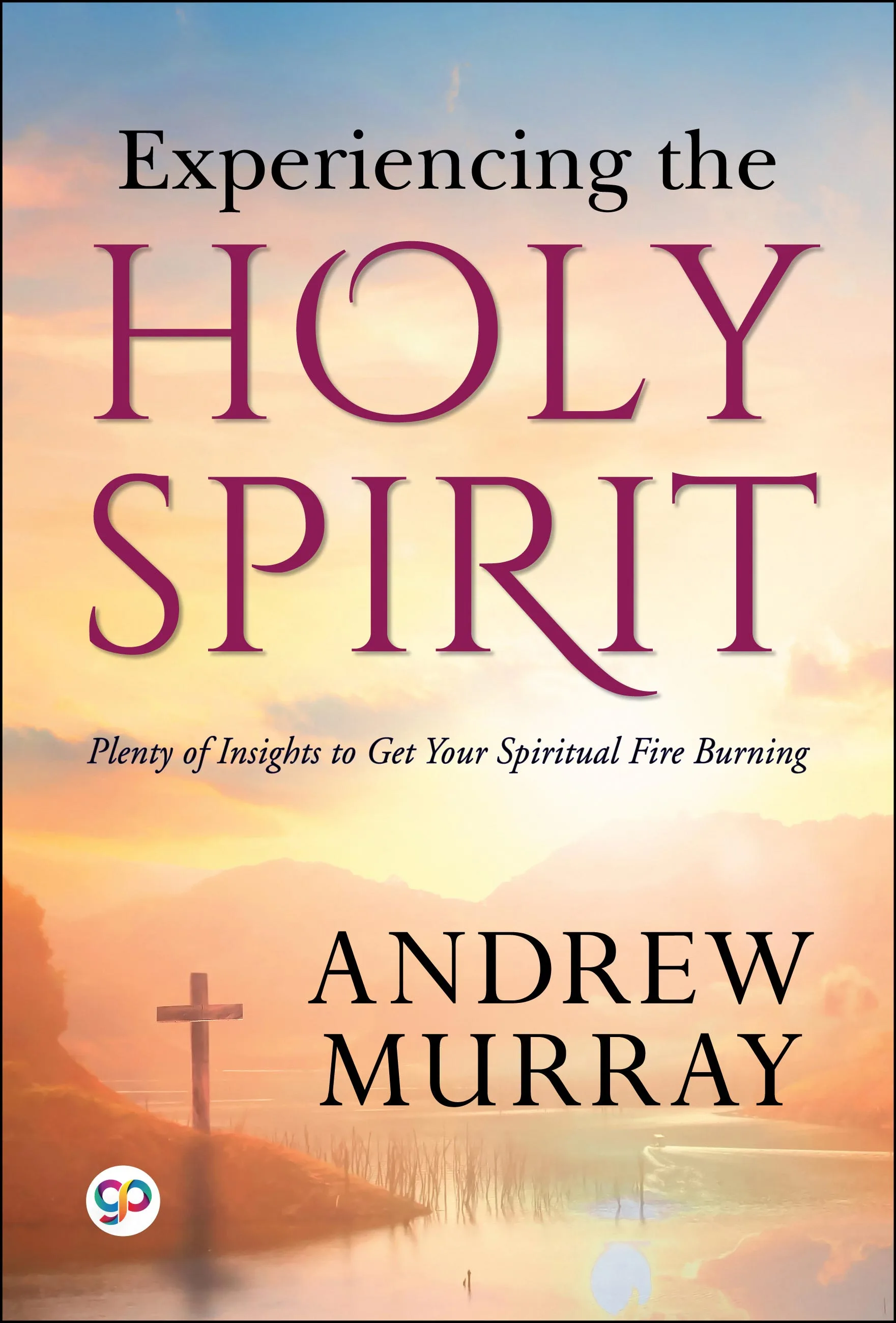
Download Cover Image
Do you want to download the full cover image for Experiencing the Holy Spirit?