
The Book of Enoch
eBook
• 229 Pages
• INR 70.00
• English
• 9789389440133
No ratings yet
| Publisher | General Press |
|---|---|
| ISBN13 | 9789389440133 |
| ASIN/SKU | B07XNBVRCT |
| Book Format | eBook |
| Language | English |
| Pages | 229 |
| List Price | INR 70.00 |
| Subject Code | REL006160, OCC027000, HIS002010 |
| Publishing Date | 05/09/2019 |
| Book Code | BD00068626 |
Buy this Book
Amazon Stores
Ebook Stores
Other Stores
Discover The Book of Enoch by Enoch. This book is published by General Press in eBook format, ISBN 9789389440133, ASIN B07XNBVRCT, under Christian Books and Bibles, Religion, Mythology.
Book Description
Imagine a world where angels descend from heaven, forbidden knowledge is revealed to humanity, and the boundaries between the earthly and divine realms begin to collapse. 'The Book of Enoch' by Enoch is an ancient religious and apocalyptic text that blends visionary literature, prophecy, angelic traditions, and reflections on divine judgment to explore mysteries far beyond ordinary human understanding.
Traditionally attributed to Enoch, the seventh patriarch descended from Adam, the work presents a series of powerful visions in which Enoch is taken beyond the familiar world and shown the hidden workings of heaven. He encounters angels, celestial beings, heavenly realms, and divine secrets while receiving revelations about the fate of humanity and the moral order of creation. One of the book's most compelling themes is the story of the Watchers, a group of angels who descend to earth and become involved with human beings. Their actions bring forbidden knowledge and corruption into the world, raising profound questions about temptation, disobedience, responsibility, and the consequences of crossing boundaries established by God.
Alongside these stories, the text explores the coming judgment of the wicked and the ultimate vindication of the righteous. Enoch's visions move between earthly events and cosmic realities, describing heavenly journeys, mysterious astronomical systems, divine records, and the future transformation of creation. The imagery can be strange and overwhelming, but beneath its supernatural elements lies a deeply human concern with justice: Why does evil exist, why do the righteous suffer, and will wrongdoing ultimately be answered?
What makes 'The Book of Enoch' especially fascinating is its glimpse into ancient Jewish religious thought and its enduring influence on later traditions of angels, demons, judgment, and the end times. It reads like a window into a lost world of spiritual imagination, filled with mysteries that continue to provoke curiosity. For readers fascinated by ancient scriptures, biblical history, apocalyptic literature, and forgotten religious traditions, this remarkable text offers a journey into questions that still feel surprisingly relevant. Its visions may raise more questions than they answer—and that is precisely what makes 'The Book of Enoch' so difficult to put down.
Traditionally attributed to Enoch, the seventh patriarch descended from Adam, the work presents a series of powerful visions in which Enoch is taken beyond the familiar world and shown the hidden workings of heaven. He encounters angels, celestial beings, heavenly realms, and divine secrets while receiving revelations about the fate of humanity and the moral order of creation. One of the book's most compelling themes is the story of the Watchers, a group of angels who descend to earth and become involved with human beings. Their actions bring forbidden knowledge and corruption into the world, raising profound questions about temptation, disobedience, responsibility, and the consequences of crossing boundaries established by God.
Alongside these stories, the text explores the coming judgment of the wicked and the ultimate vindication of the righteous. Enoch's visions move between earthly events and cosmic realities, describing heavenly journeys, mysterious astronomical systems, divine records, and the future transformation of creation. The imagery can be strange and overwhelming, but beneath its supernatural elements lies a deeply human concern with justice: Why does evil exist, why do the righteous suffer, and will wrongdoing ultimately be answered?
What makes 'The Book of Enoch' especially fascinating is its glimpse into ancient Jewish religious thought and its enduring influence on later traditions of angels, demons, judgment, and the end times. It reads like a window into a lost world of spiritual imagination, filled with mysteries that continue to provoke curiosity. For readers fascinated by ancient scriptures, biblical history, apocalyptic literature, and forgotten religious traditions, this remarkable text offers a journey into questions that still feel surprisingly relevant. Its visions may raise more questions than they answer—and that is precisely what makes 'The Book of Enoch' so difficult to put down.
Author Biography
Enoch is a revered biblical figure traditionally associated with the Book of Enoch, an ancient Jewish religious work that has had a profound influence on religious thought, apocalyptic literature, and early Christian tradition. Although modern scholars agree that the Book of Enoch was written by multiple anonymous authors between the third century BCE and the first century BCE, the work is traditionally attributed to Enoch, whose name symbolizes wisdom, righteousness, and close fellowship with God. His enduring legacy has made him one of the most intriguing figures in biblical and religious history.
According to the Book of Genesis, Enoch was the seventh generation from Adam and the father of Methuselah. The Bible describes him in remarkably brief yet memorable terms, stating that he "walked with God" and that "God took him," a passage traditionally understood to mean that he did not experience death in the ordinary way. This unique description distinguished Enoch from other patriarchs and inspired centuries of reflection, interpretation, and storytelling within Jewish, Christian, and later Islamic traditions.
Over time, a rich body of literature grew around Enoch's name. The most famous of these writings is the Book of Enoch (also known as 1 Enoch), a collection of visionary texts exploring themes such as divine judgment, angels, the origin of evil, the coming of a righteous kingdom, and the ultimate triumph of justice. Although it is not included in the biblical canon of most Jewish and Christian traditions, it is regarded as canonical by the Ethiopian Orthodox Tewahedo Church. The work was widely known in ancient times and even influenced parts of early Christian literature, including the New Testament Epistle of Jude, which quotes from it.
Because the Book of Enoch was composed long after the lifetime of the biblical Enoch, historians view his authorship as a traditional attribution rather than a historical fact. Nevertheless, the association of the book with Enoch reflects the deep respect ancient communities had for his reputation as a righteous and divinely favored patriarch.
Today, Enoch remains a powerful symbol of faith, integrity, and spiritual devotion. Whether viewed through the lens of Scripture, ancient literature, or religious tradition, his story continues to inspire readers with its message of steadfast righteousness, hope, and the enduring human search for divine wisdom.
According to the Book of Genesis, Enoch was the seventh generation from Adam and the father of Methuselah. The Bible describes him in remarkably brief yet memorable terms, stating that he "walked with God" and that "God took him," a passage traditionally understood to mean that he did not experience death in the ordinary way. This unique description distinguished Enoch from other patriarchs and inspired centuries of reflection, interpretation, and storytelling within Jewish, Christian, and later Islamic traditions.
Over time, a rich body of literature grew around Enoch's name. The most famous of these writings is the Book of Enoch (also known as 1 Enoch), a collection of visionary texts exploring themes such as divine judgment, angels, the origin of evil, the coming of a righteous kingdom, and the ultimate triumph of justice. Although it is not included in the biblical canon of most Jewish and Christian traditions, it is regarded as canonical by the Ethiopian Orthodox Tewahedo Church. The work was widely known in ancient times and even influenced parts of early Christian literature, including the New Testament Epistle of Jude, which quotes from it.
Because the Book of Enoch was composed long after the lifetime of the biblical Enoch, historians view his authorship as a traditional attribution rather than a historical fact. Nevertheless, the association of the book with Enoch reflects the deep respect ancient communities had for his reputation as a righteous and divinely favored patriarch.
Today, Enoch remains a powerful symbol of faith, integrity, and spiritual devotion. Whether viewed through the lens of Scripture, ancient literature, or religious tradition, his story continues to inspire readers with its message of steadfast righteousness, hope, and the enduring human search for divine wisdom.
Editorial Reviews
Editorial Reviews will be added soon…
Book Summary
The Book of Enoch, traditionally attributed to the biblical figure Enoch, is an ancient collection of Jewish religious writings filled with visions of heaven, fallen angels, judgment, cosmic mysteries, and the ultimate triumph of righteousness. Although it is presented in the name of Enoch, the book was not written by the historical Enoch described briefly in Genesis. It is a pseudepigraphal work composed by different authors over several centuries, probably between the third century BCE and the first century BCE. The complete text survives most importantly in the ancient Ethiopic language, and the work is especially significant because it preserves ideas about angels, evil, resurrection, and the final judgment that were influential in the religious world of ancient Judaism and early Christianity.
The book begins with Enoch describing a revelation given to him concerning the destiny of humanity. He speaks of a future time when God will appear in judgment and separate the righteous from those who have rejected divine law. Nature itself is presented as obeying the order established by God, while human beings often fail to live according to that order. Enoch emphasizes that wrongdoing may seem to prosper temporarily, but it will not escape divine judgment. The central message is one of hope for the faithful: suffering is temporary, righteousness has lasting value, and God ultimately sees and remembers the actions of every person.
One of the most famous sections is the story of the Watchers, a group of heavenly beings who descend to earth and become fascinated by human women. Led by figures such as Shemihazah, these angels violate the boundaries between the heavenly and human worlds. They take human wives, and their unions produce the giant beings known as the Nephilim. The Watchers also teach humanity forbidden knowledge. They introduce skills and practices that contribute to violence, corruption, vanity, and moral disorder. Among the knowledge associated with them are forms of warfare, metalworking, magical practices, astrology, and various arts that are portrayed as dangerous when separated from divine wisdom.
The problem created by the Watchers becomes so great that the earth is described as being filled with violence and corruption. The archangels Michael, Uriel, Raphael, and Gabriel witness the suffering and appeal to God. Divine judgment is then announced against the rebellious angels and the destructive forces they have unleashed. The giant offspring are condemned, while the Watchers themselves are bound and imprisoned until the final judgment. The story presents evil not simply as a human problem but as a cosmic rebellion involving both heavenly beings and humanity. It also offers an explanation for why the world contains such profound violence and disorder.
Enoch becomes a messenger between heaven and earth. He is shown the places where the fallen angels are confined and is instructed to communicate God’s judgment to them. The rebellious Watchers ask Enoch to intercede for them, but their request is rejected. Their punishment demonstrates an important principle in the book: beings who knowingly abandon their proper place and turn against divine order cannot simply escape the consequences of their actions. Enoch himself remains faithful and is granted extraordinary access to heavenly mysteries, making him both a witness and a prophet.
The book then moves into a series of elaborate visions often called the Book of Similitudes. Here Enoch encounters the heavenly figure known as the “Son of Man,” who is associated with righteousness, divine authority, and judgment. This figure is portrayed as chosen by God to expose wickedness and defend the righteous. Those who have abused their power on earth—especially kings and rulers—will eventually face judgment. The rich and powerful cannot rely on their earthly position forever. The book repeatedly reverses ordinary human expectations: those who appear successful may ultimately be condemned, while those who suffer faithfully may receive eternal honor.
Another major theme is the judgment of the dead. The righteous and the wicked are separated, and their different destinies are revealed. The righteous are promised peace, joy, and participation in a renewed order, while the wicked face punishment. The book therefore presents justice as something that extends beyond ordinary human life. Even when innocent people suffer and evil people appear to prosper, the story is not finished. God’s final judgment will correct the apparent injustices of the present world.
Enoch is also given visions concerning the structure and movements of the heavens. The book contains detailed descriptions of the sun, moon, stars, seasons, winds, and heavenly gates. An angel guides Enoch through these mysteries and explains how the heavenly bodies follow established laws. These passages reflect the ancient understanding of the universe while also expressing a deeper theological idea: creation operates according to divine order. The regular movement of the heavens contrasts with the disorder created by sinful beings. To Enoch, the universe is not random; it is governed by laws established by God.
Another important section contains Enoch’s dream visions, in which the history of humanity is represented through symbolic animals. The story moves from the earliest generations through major biblical events, including the Flood and the history of Israel. Human beings and nations are represented through different creatures, allowing the narrative to comment on faithfulness, oppression, conflict, and divine intervention. The symbolism becomes especially important when discussing Israel’s suffering and eventual restoration. The vision presents history as moving toward a final moment when evil will be defeated and righteousness established.
The book also includes a section often called the Epistle of Enoch, which offers moral instruction and warnings. Enoch urges his descendants and all righteous people to remain faithful despite persecution and hardship. He warns that sinners may appear powerful for a time, but their prosperity is temporary. Wealth, status, and earthly pleasure cannot protect anyone from divine judgment. The righteous, on the other hand, are encouraged to remain patient because their reward will ultimately be greater than anything the present world can provide.
Near the end, Enoch describes the future transformation of creation. The righteous will be vindicated, the wicked will be judged, and a renewed order will replace the corruption of the present age. The book combines fear and hope: fear for those who deliberately reject righteousness, and hope for those who remain faithful. Its vision of the future is not simply about individual salvation but about the restoration of justice throughout the created world.
Overall, The Book of Enoch is a powerful meditation on the problem of evil, the mystery of the heavenly world, and the certainty of divine justice. Its stories of the Watchers and Nephilim, its visions of angels and heavenly realms, its descriptions of cosmic order, and its prophecies of final judgment all revolve around one central conviction: evil may dominate for a time, but it will never have the final word. Human beings are called to live with humility, faithfulness, and moral courage because every action has consequences beyond what can be seen. Enoch’s journey transforms him from an ordinary human figure into a witness of hidden realities, and his visions invite readers to look beyond immediate suffering toward a larger spiritual order in which justice, righteousness, and divine wisdom ultimately prevail.
The book begins with Enoch describing a revelation given to him concerning the destiny of humanity. He speaks of a future time when God will appear in judgment and separate the righteous from those who have rejected divine law. Nature itself is presented as obeying the order established by God, while human beings often fail to live according to that order. Enoch emphasizes that wrongdoing may seem to prosper temporarily, but it will not escape divine judgment. The central message is one of hope for the faithful: suffering is temporary, righteousness has lasting value, and God ultimately sees and remembers the actions of every person.
One of the most famous sections is the story of the Watchers, a group of heavenly beings who descend to earth and become fascinated by human women. Led by figures such as Shemihazah, these angels violate the boundaries between the heavenly and human worlds. They take human wives, and their unions produce the giant beings known as the Nephilim. The Watchers also teach humanity forbidden knowledge. They introduce skills and practices that contribute to violence, corruption, vanity, and moral disorder. Among the knowledge associated with them are forms of warfare, metalworking, magical practices, astrology, and various arts that are portrayed as dangerous when separated from divine wisdom.
The problem created by the Watchers becomes so great that the earth is described as being filled with violence and corruption. The archangels Michael, Uriel, Raphael, and Gabriel witness the suffering and appeal to God. Divine judgment is then announced against the rebellious angels and the destructive forces they have unleashed. The giant offspring are condemned, while the Watchers themselves are bound and imprisoned until the final judgment. The story presents evil not simply as a human problem but as a cosmic rebellion involving both heavenly beings and humanity. It also offers an explanation for why the world contains such profound violence and disorder.
Enoch becomes a messenger between heaven and earth. He is shown the places where the fallen angels are confined and is instructed to communicate God’s judgment to them. The rebellious Watchers ask Enoch to intercede for them, but their request is rejected. Their punishment demonstrates an important principle in the book: beings who knowingly abandon their proper place and turn against divine order cannot simply escape the consequences of their actions. Enoch himself remains faithful and is granted extraordinary access to heavenly mysteries, making him both a witness and a prophet.
The book then moves into a series of elaborate visions often called the Book of Similitudes. Here Enoch encounters the heavenly figure known as the “Son of Man,” who is associated with righteousness, divine authority, and judgment. This figure is portrayed as chosen by God to expose wickedness and defend the righteous. Those who have abused their power on earth—especially kings and rulers—will eventually face judgment. The rich and powerful cannot rely on their earthly position forever. The book repeatedly reverses ordinary human expectations: those who appear successful may ultimately be condemned, while those who suffer faithfully may receive eternal honor.
Another major theme is the judgment of the dead. The righteous and the wicked are separated, and their different destinies are revealed. The righteous are promised peace, joy, and participation in a renewed order, while the wicked face punishment. The book therefore presents justice as something that extends beyond ordinary human life. Even when innocent people suffer and evil people appear to prosper, the story is not finished. God’s final judgment will correct the apparent injustices of the present world.
Enoch is also given visions concerning the structure and movements of the heavens. The book contains detailed descriptions of the sun, moon, stars, seasons, winds, and heavenly gates. An angel guides Enoch through these mysteries and explains how the heavenly bodies follow established laws. These passages reflect the ancient understanding of the universe while also expressing a deeper theological idea: creation operates according to divine order. The regular movement of the heavens contrasts with the disorder created by sinful beings. To Enoch, the universe is not random; it is governed by laws established by God.
Another important section contains Enoch’s dream visions, in which the history of humanity is represented through symbolic animals. The story moves from the earliest generations through major biblical events, including the Flood and the history of Israel. Human beings and nations are represented through different creatures, allowing the narrative to comment on faithfulness, oppression, conflict, and divine intervention. The symbolism becomes especially important when discussing Israel’s suffering and eventual restoration. The vision presents history as moving toward a final moment when evil will be defeated and righteousness established.
The book also includes a section often called the Epistle of Enoch, which offers moral instruction and warnings. Enoch urges his descendants and all righteous people to remain faithful despite persecution and hardship. He warns that sinners may appear powerful for a time, but their prosperity is temporary. Wealth, status, and earthly pleasure cannot protect anyone from divine judgment. The righteous, on the other hand, are encouraged to remain patient because their reward will ultimately be greater than anything the present world can provide.
Near the end, Enoch describes the future transformation of creation. The righteous will be vindicated, the wicked will be judged, and a renewed order will replace the corruption of the present age. The book combines fear and hope: fear for those who deliberately reject righteousness, and hope for those who remain faithful. Its vision of the future is not simply about individual salvation but about the restoration of justice throughout the created world.
Overall, The Book of Enoch is a powerful meditation on the problem of evil, the mystery of the heavenly world, and the certainty of divine justice. Its stories of the Watchers and Nephilim, its visions of angels and heavenly realms, its descriptions of cosmic order, and its prophecies of final judgment all revolve around one central conviction: evil may dominate for a time, but it will never have the final word. Human beings are called to live with humility, faithfulness, and moral courage because every action has consequences beyond what can be seen. Enoch’s journey transforms him from an ordinary human figure into a witness of hidden realities, and his visions invite readers to look beyond immediate suffering toward a larger spiritual order in which justice, righteousness, and divine wisdom ultimately prevail.
Sample Chapters
Sample Chapters will be added soon…
Reader Reviews
No reviews yet.
The Book of Enoch
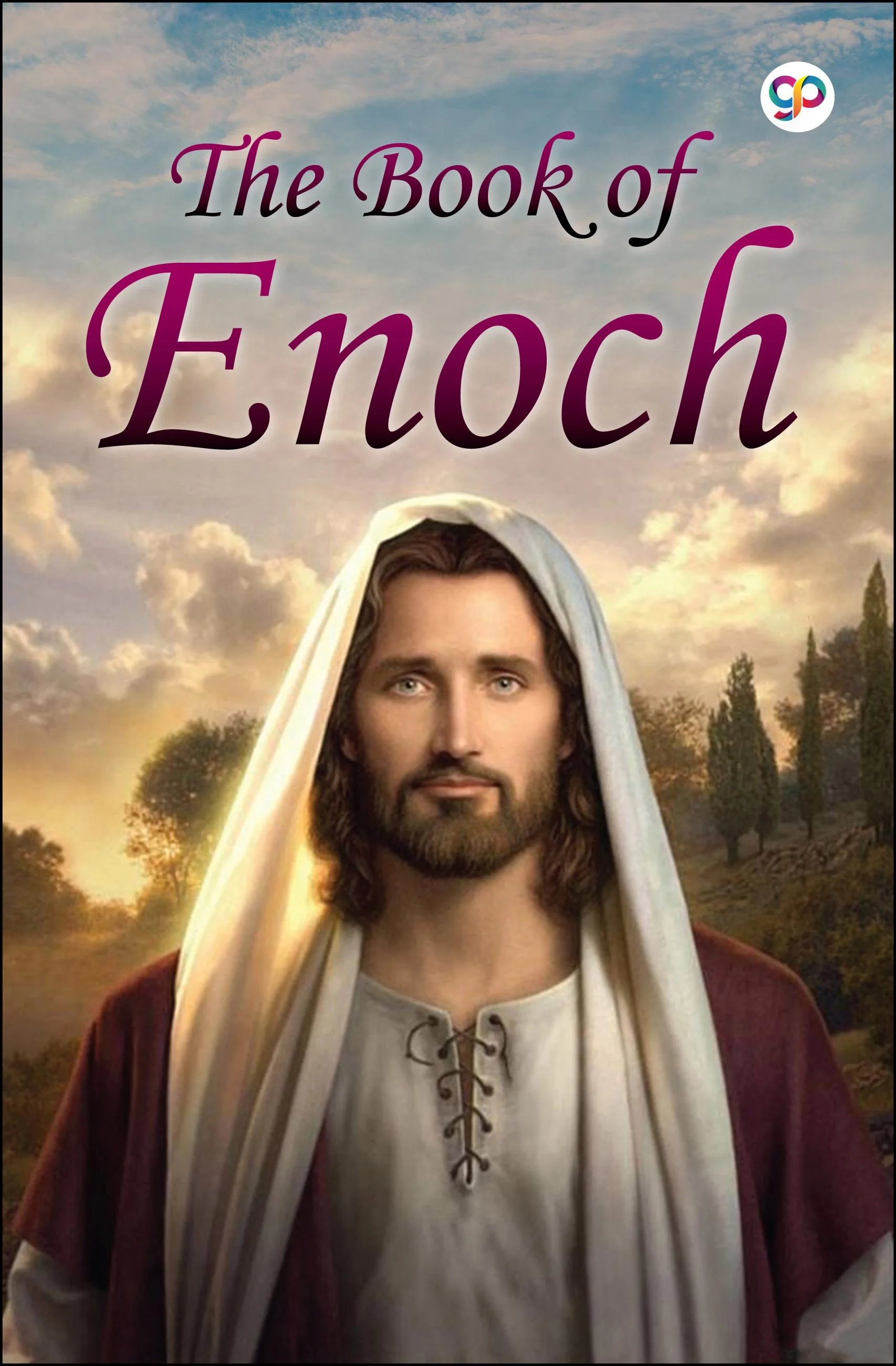
Download Cover Image
Do you want to download the full cover image for The Book of Enoch?