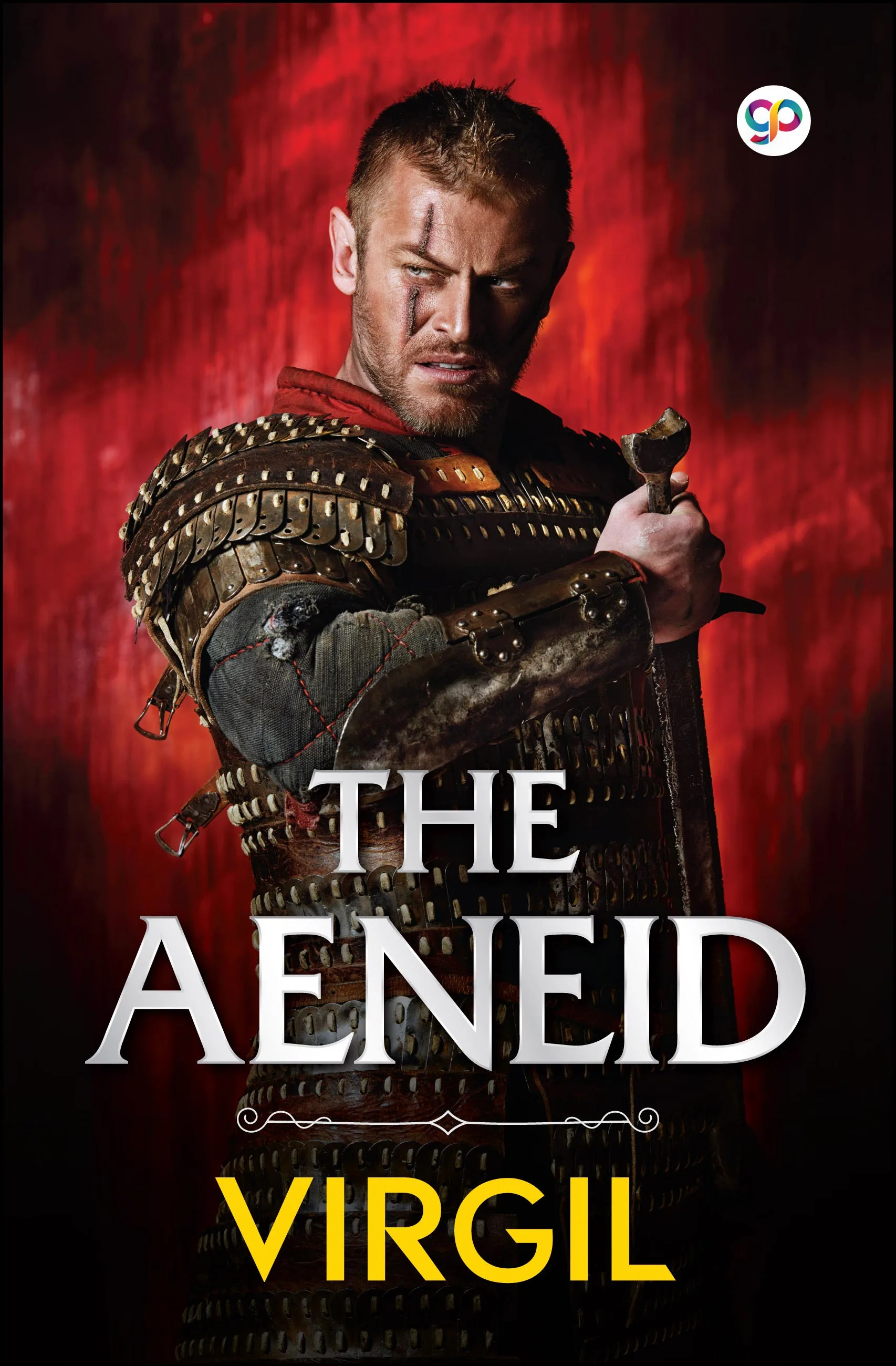
The Aeneid
eBook
• INR 70.00
• English
• 9789389440317
No ratings yet
| Publisher | General Press |
|---|---|
| ISBN13 | 9789389440317 |
| ASIN/SKU | B07XNK39VY |
| Book Format | eBook |
| Language | English |
| List Price | INR 70.00 |
| Subject Code | POE000000, FIC029000 |
| Publishing Date | 05/09/2019 |
| Book Code | BD00068627 |
Buy this Book
Amazon Stores
Ebook Stores
Other Stores
Discover The Aeneid by Virgil. This book is published by General Press in eBook format, ISBN 9789389440317, ASIN B07XNK39VY, under Literature and Fiction, Poetry.
Book Description
The Aeneid by Virgil is one of the greatest epics of classical literature, chronicling the journey of the Trojan hero Aeneas as he searches for a new homeland after the fall of Troy. Written in the first century BCE, the poem celebrates courage, duty, sacrifice, and the enduring hope of renewal. Guided by the will of the gods, Aeneas leaves behind the ruins of his city and embarks on a perilous voyage across the Mediterranean, carrying with him the responsibility of securing a future for his people.
Throughout his journey, Aeneas encounters fierce storms, hostile enemies, mythical creatures, and powerful rulers. He also experiences profound personal loss, most notably in his tragic love affair with Queen Dido of Carthage. Despite these emotional trials, he remains committed to his divine mission, placing the welfare of his people above his own desires. As he finally reaches Italy, he must face new conflicts and difficult battles before fulfilling the destiny that will eventually lead to the founding of the Roman civilization.
Virgil combines grand adventure with deep emotional and philosophical insight, exploring themes of fate, leadership, loyalty, honor, and the cost of fulfilling one's responsibilities. The poem presents Aeneas not as a flawless hero, but as a compassionate and determined man who continually struggles between personal feelings and public duty. Rich in vivid imagery, memorable characters, and timeless wisdom, The Aeneid is far more than a tale of war and exploration. It is a profound meditation on resilience, identity, and the sacrifices required to build a lasting legacy for future generations.
Throughout his journey, Aeneas encounters fierce storms, hostile enemies, mythical creatures, and powerful rulers. He also experiences profound personal loss, most notably in his tragic love affair with Queen Dido of Carthage. Despite these emotional trials, he remains committed to his divine mission, placing the welfare of his people above his own desires. As he finally reaches Italy, he must face new conflicts and difficult battles before fulfilling the destiny that will eventually lead to the founding of the Roman civilization.
Virgil combines grand adventure with deep emotional and philosophical insight, exploring themes of fate, leadership, loyalty, honor, and the cost of fulfilling one's responsibilities. The poem presents Aeneas not as a flawless hero, but as a compassionate and determined man who continually struggles between personal feelings and public duty. Rich in vivid imagery, memorable characters, and timeless wisdom, The Aeneid is far more than a tale of war and exploration. It is a profound meditation on resilience, identity, and the sacrifices required to build a lasting legacy for future generations.
Author Biography
Virgil, also known as Publius Vergilius Maro, was one of ancient Rome's greatest poets and a towering figure in classical literature. Born on October 15, 70 BCE, near Mantua in northern Italy, Virgil lived during a period of political unrest that saw the fall of the Roman Republic and the rise of the Roman Empire under Augustus. His poetry not only reflected the ideals of his age but also helped shape the cultural identity of Rome for generations to come.
Raised in a rural setting, Virgil developed a deep appreciation for nature, agriculture, and the quiet rhythms of country life. He received an excellent education in rhetoric, philosophy, and literature, studying in Cremona, Milan, Rome, and Naples. Although trained for a career in public life, he was known for his reserved and thoughtful personality and chose to devote himself to writing instead.
Virgil first gained recognition through the Eclogues, a collection of pastoral poems inspired by the Greek poet Theocritus. He followed this success with the Georgics, a beautifully crafted poem celebrating farming, hard work, and humanity's relationship with the natural world. These works established him as one of Rome's finest literary voices and earned the admiration of influential patrons, including Maecenas, a close advisor to Emperor Augustus.
His greatest achievement was the Aeneid, an epic poem that tells the story of Aeneas, a Trojan hero destined to become the ancestor of the Roman people. Combining themes of courage, sacrifice, destiny, and duty, the Aeneid became Rome's national epic and one of the most influential works in Western literature. Though Virgil spent more than a decade perfecting the poem, he considered it unfinished at the time of his death and reportedly wished for it to be destroyed. Augustus, however, ordered its preservation, ensuring its place in history.
Virgil died on September 21, 19 BCE, in Brundisium while returning from a journey to Greece. He was buried near Naples, where his tomb became a place of admiration for centuries. Today, Virgil is remembered not only as a master poet but also as a writer whose works continue to inspire readers with their beauty, emotional depth, and enduring reflections on duty, humanity, and the search for purpose.
Raised in a rural setting, Virgil developed a deep appreciation for nature, agriculture, and the quiet rhythms of country life. He received an excellent education in rhetoric, philosophy, and literature, studying in Cremona, Milan, Rome, and Naples. Although trained for a career in public life, he was known for his reserved and thoughtful personality and chose to devote himself to writing instead.
Virgil first gained recognition through the Eclogues, a collection of pastoral poems inspired by the Greek poet Theocritus. He followed this success with the Georgics, a beautifully crafted poem celebrating farming, hard work, and humanity's relationship with the natural world. These works established him as one of Rome's finest literary voices and earned the admiration of influential patrons, including Maecenas, a close advisor to Emperor Augustus.
His greatest achievement was the Aeneid, an epic poem that tells the story of Aeneas, a Trojan hero destined to become the ancestor of the Roman people. Combining themes of courage, sacrifice, destiny, and duty, the Aeneid became Rome's national epic and one of the most influential works in Western literature. Though Virgil spent more than a decade perfecting the poem, he considered it unfinished at the time of his death and reportedly wished for it to be destroyed. Augustus, however, ordered its preservation, ensuring its place in history.
Virgil died on September 21, 19 BCE, in Brundisium while returning from a journey to Greece. He was buried near Naples, where his tomb became a place of admiration for centuries. Today, Virgil is remembered not only as a master poet but also as a writer whose works continue to inspire readers with their beauty, emotional depth, and enduring reflections on duty, humanity, and the search for purpose.
Editorial Reviews
Editorial Reviews will be added soon…
Book Summary
Book Summary will be added soon…
Sample Chapters
Sample Chapters will be added soon…
Reader Reviews
No reviews yet.
The Aeneid