
A Room of One's Own
eBook
• 121 Pages
• INR 70.00
• English
• 9789389440591
No ratings yet
| Publisher | General Press |
|---|---|
| ISBN13 | 9789389440591 |
| ASIN/SKU | B07YM4MMKR |
| Book Format | eBook |
| Language | English |
| Pages | 121 |
| List Price | INR 70.00 |
| Subject Code | LIT004120, LIT025000, FIC044000 |
| Publishing Date | 01/10/2019 |
| Book Code | BD00068633 |
Buy this Book
Amazon Stores
Ebook Stores
Other Stores
Discover A Room of One's Own by Virginia Woolf. This book is published by General Press in eBook format, ISBN 9789389440591, ASIN B07YM4MMKR, under Literature and Fiction, Literary Criticism and Theory, Women’s Literature.
Book Description
In 'A Room of One's Own', Virginia Woolf imagines that Shakespeare had a sister—a sister equal to Shakespeare in talent, and equal in genius, but whose legacy is radically different. This imaginary woman never writes a word and dies by her own hand, her genius unexpressed. If only she had found the means to create, argues Woolf, she would have reached the same heights as her immortal sibling. In this classic essay, she takes on the establishment, using her gift of language to dissect the world around her and give voice to those who are without. Her message is a simple one—women must have a fixed income and a room of their own in order to have the freedom to create.
Woolf's blazing polemic on female creativity, the role of the writer, and the silent fate of Shakespeare's imaginary sister remains a powerful reminder of a woman's need for financial independence and intellectual freedom.
Woolf's blazing polemic on female creativity, the role of the writer, and the silent fate of Shakespeare's imaginary sister remains a powerful reminder of a woman's need for financial independence and intellectual freedom.
Author Biography
Virginia Woolf was an English novelist and essayist regarded as one of the foremost modernist literary figures of the twentieth century.
During the interwar period, Woolf was a significant figure in London literary society and a member of the Bloomsbury Group. Her most famous works include the novels Mrs. Dalloway (1925), To the Lighthouse (1927), and Orlando (1928), and the book-length essay A Room of One's Own (1929) with its famous dictum, "a woman must have money and a room of her own if she is to write fiction."
During the interwar period, Woolf was a significant figure in London literary society and a member of the Bloomsbury Group. Her most famous works include the novels Mrs. Dalloway (1925), To the Lighthouse (1927), and Orlando (1928), and the book-length essay A Room of One's Own (1929) with its famous dictum, "a woman must have money and a room of her own if she is to write fiction."
Editorial Reviews
Editorial Reviews will be added soon…
Book Summary
Virginia Woolf’s A Room of One’s Own is a landmark work of feminist literature that examines why women have historically produced fewer works of literature than men and what social conditions are necessary for women to create freely. Based on lectures Woolf delivered to women students at Cambridge, the book is not a conventional academic argument. Instead, it blends personal reflection, imagined scenes, literary criticism, history, and philosophical thought. Woolf’s central argument is simple but profound: a woman needs financial independence and a private space of her own if she is to write freely and develop her intellectual life.
Woolf begins by explaining that she has been asked to speak about women and fiction. Rather than offering a direct answer, she describes the process of thinking about the subject. She visits university libraries, walks through academic grounds, eats meals in different dining rooms, and observes the striking differences between men's and women's lives. These experiences lead her to recognize that intellectual freedom does not exist separately from material circumstances.
At one point, Woolf is refused entry to a university library because she is a woman. The incident becomes symbolic of the barriers women have faced in accessing education and knowledge. She also notices that men's colleges are surrounded by traditions of wealth and privilege, while women's colleges often have fewer resources. The contrast suggests that intellectual achievement depends partly on the economic and social conditions in which a person lives.
Woolf then considers the importance of money. She argues that poverty is not simply an inconvenience; it can directly interfere with creative and intellectual work. A person who is constantly worried about food, housing, employment, or financial dependence has less freedom to think and create. Historically, men have had greater access to property, education, professions, and inherited wealth, while women have often depended economically on fathers or husbands.
For Woolf, this economic inequality helps explain the enormous difference between the literary opportunities available to men and women. She famously imagines what would have happened if William Shakespeare had possessed a sister of equal genius. She calls this imagined woman Judith Shakespeare.
Judith has the same natural talent as her brother, but her circumstances are completely different. She is denied the education available to William, expected to perform domestic duties, and discouraged from studying or writing. If she attempts to pursue a theatrical career, she is likely to encounter ridicule and exploitation. Her talent has no opportunity to develop.
Eventually, Judith's situation becomes unbearable. Unlike William, she cannot transform her imagination into a successful artistic life. Woolf imagines that Judith's story would probably end tragically, demonstrating that genius alone is not enough. Talent requires opportunity, education, time, encouragement, and freedom.
This imaginary story allows Woolf to make one of her most important points: history records achievements, but it often hides the social conditions that made achievement possible—or impossible. The absence of great female writers in earlier centuries should therefore not automatically be interpreted as evidence that women lacked intellectual ability.
Woolf then examines the writing of men about women. She discovers that male writers have often described women in contradictory and exaggerated ways. Women are portrayed as weak and inferior in some texts, yet extraordinarily powerful and threatening in others. Woolf argues that these descriptions tell us as much about men's anxieties and desires as they do about women themselves.
She introduces the idea of “the Angel in the House,” representing the idealized woman who is self-sacrificing, gentle, obedient, and devoted to the needs of others. Woolf explains that this figure must be killed, metaphorically speaking, if a woman writer is to become truly independent. A woman cannot create freely if she is constantly trying to please others or suppress her own thoughts to fit an approved image of femininity.
Woolf also discusses the relationship between women's literature and anger. She believes that a writer needs a degree of independence from personal resentment and social pressure. If a woman writes entirely from anger at the injustices committed against her, her writing may become constrained by the very system she is trying to escape. Woolf therefore argues for a kind of intellectual freedom in which the writer can move beyond both submission and reaction.
Another major part of the book examines the history of women writers. Woolf considers authors such as Jane Austen, Charlotte Brontë, and George Eliot and asks what made their achievements possible. She admires these women because they were able to create despite severe limitations.
Jane Austen, in particular, becomes an important example. Woolf notes that Austen wrote in circumstances that offered little privacy. She could be interrupted by family members and was expected to participate in domestic life. Yet she developed extraordinary artistic control. Woolf suggests that Austen's greatness becomes even more remarkable when we understand the restrictions under which she worked.
Charlotte Brontë provides a different example. Woolf admires Jane Eyre but believes that Brontë's anger at the limitations imposed upon women sometimes becomes visible in the novel. Woolf's point is not to diminish Brontë's achievement but to show how difficult it was for women writers to separate artistic expression from the social injustices surrounding them.
Woolf then considers the importance of privacy. A woman needs a room where she can think without being interrupted, judged, or required to perform domestic duties. The room is both literal and symbolic. It represents independence, ownership of time, freedom from constant demands, and the right to develop one's own intellectual identity.
The book's argument eventually expands beyond women. Woolf imagines a future in which women have access to education, money, professions, and creative freedom. She hopes that future women will no longer have to fight simply to prove that they are capable of intellectual achievement. Instead, they will be able to write, think, experiment, and create without constantly comparing themselves with men.
She also argues for a form of artistic consciousness that is not dominated by gender rivalry. The ideal writer, she suggests, should possess a mind capable of combining traditionally “masculine” and “feminine” qualities rather than being trapped by rigid expectations. Creativity flourishes when the mind is free from unnecessary divisions.
Ultimately, A Room of One’s Own is both a feminist argument and a meditation on creativity. Woolf does not claim that every woman must become a writer. Rather, she argues that women should have the same opportunity to discover and develop their abilities as men do.
The book's enduring message is that talent cannot flourish without freedom. Money provides independence, a private room provides space, education provides intellectual tools, and social equality provides the confidence to use them. Woolf asks readers to imagine a world in which women are not defined primarily by their relationships to men but are recognized as independent thinkers and creators.
A Room of One’s Own remains powerful because its argument extends beyond literature. It asks a broader human question: What conditions allow a person to think freely and become fully themselves? Woolf's answer is that creativity needs time, privacy, security, education, and the freedom to speak in one's own voice. Her call for these basic conditions of intellectual independence remains one of the most influential arguments for women's equality in modern literature.
Woolf begins by explaining that she has been asked to speak about women and fiction. Rather than offering a direct answer, she describes the process of thinking about the subject. She visits university libraries, walks through academic grounds, eats meals in different dining rooms, and observes the striking differences between men's and women's lives. These experiences lead her to recognize that intellectual freedom does not exist separately from material circumstances.
At one point, Woolf is refused entry to a university library because she is a woman. The incident becomes symbolic of the barriers women have faced in accessing education and knowledge. She also notices that men's colleges are surrounded by traditions of wealth and privilege, while women's colleges often have fewer resources. The contrast suggests that intellectual achievement depends partly on the economic and social conditions in which a person lives.
Woolf then considers the importance of money. She argues that poverty is not simply an inconvenience; it can directly interfere with creative and intellectual work. A person who is constantly worried about food, housing, employment, or financial dependence has less freedom to think and create. Historically, men have had greater access to property, education, professions, and inherited wealth, while women have often depended economically on fathers or husbands.
For Woolf, this economic inequality helps explain the enormous difference between the literary opportunities available to men and women. She famously imagines what would have happened if William Shakespeare had possessed a sister of equal genius. She calls this imagined woman Judith Shakespeare.
Judith has the same natural talent as her brother, but her circumstances are completely different. She is denied the education available to William, expected to perform domestic duties, and discouraged from studying or writing. If she attempts to pursue a theatrical career, she is likely to encounter ridicule and exploitation. Her talent has no opportunity to develop.
Eventually, Judith's situation becomes unbearable. Unlike William, she cannot transform her imagination into a successful artistic life. Woolf imagines that Judith's story would probably end tragically, demonstrating that genius alone is not enough. Talent requires opportunity, education, time, encouragement, and freedom.
This imaginary story allows Woolf to make one of her most important points: history records achievements, but it often hides the social conditions that made achievement possible—or impossible. The absence of great female writers in earlier centuries should therefore not automatically be interpreted as evidence that women lacked intellectual ability.
Woolf then examines the writing of men about women. She discovers that male writers have often described women in contradictory and exaggerated ways. Women are portrayed as weak and inferior in some texts, yet extraordinarily powerful and threatening in others. Woolf argues that these descriptions tell us as much about men's anxieties and desires as they do about women themselves.
She introduces the idea of “the Angel in the House,” representing the idealized woman who is self-sacrificing, gentle, obedient, and devoted to the needs of others. Woolf explains that this figure must be killed, metaphorically speaking, if a woman writer is to become truly independent. A woman cannot create freely if she is constantly trying to please others or suppress her own thoughts to fit an approved image of femininity.
Woolf also discusses the relationship between women's literature and anger. She believes that a writer needs a degree of independence from personal resentment and social pressure. If a woman writes entirely from anger at the injustices committed against her, her writing may become constrained by the very system she is trying to escape. Woolf therefore argues for a kind of intellectual freedom in which the writer can move beyond both submission and reaction.
Another major part of the book examines the history of women writers. Woolf considers authors such as Jane Austen, Charlotte Brontë, and George Eliot and asks what made their achievements possible. She admires these women because they were able to create despite severe limitations.
Jane Austen, in particular, becomes an important example. Woolf notes that Austen wrote in circumstances that offered little privacy. She could be interrupted by family members and was expected to participate in domestic life. Yet she developed extraordinary artistic control. Woolf suggests that Austen's greatness becomes even more remarkable when we understand the restrictions under which she worked.
Charlotte Brontë provides a different example. Woolf admires Jane Eyre but believes that Brontë's anger at the limitations imposed upon women sometimes becomes visible in the novel. Woolf's point is not to diminish Brontë's achievement but to show how difficult it was for women writers to separate artistic expression from the social injustices surrounding them.
Woolf then considers the importance of privacy. A woman needs a room where she can think without being interrupted, judged, or required to perform domestic duties. The room is both literal and symbolic. It represents independence, ownership of time, freedom from constant demands, and the right to develop one's own intellectual identity.
The book's argument eventually expands beyond women. Woolf imagines a future in which women have access to education, money, professions, and creative freedom. She hopes that future women will no longer have to fight simply to prove that they are capable of intellectual achievement. Instead, they will be able to write, think, experiment, and create without constantly comparing themselves with men.
She also argues for a form of artistic consciousness that is not dominated by gender rivalry. The ideal writer, she suggests, should possess a mind capable of combining traditionally “masculine” and “feminine” qualities rather than being trapped by rigid expectations. Creativity flourishes when the mind is free from unnecessary divisions.
Ultimately, A Room of One’s Own is both a feminist argument and a meditation on creativity. Woolf does not claim that every woman must become a writer. Rather, she argues that women should have the same opportunity to discover and develop their abilities as men do.
The book's enduring message is that talent cannot flourish without freedom. Money provides independence, a private room provides space, education provides intellectual tools, and social equality provides the confidence to use them. Woolf asks readers to imagine a world in which women are not defined primarily by their relationships to men but are recognized as independent thinkers and creators.
A Room of One’s Own remains powerful because its argument extends beyond literature. It asks a broader human question: What conditions allow a person to think freely and become fully themselves? Woolf's answer is that creativity needs time, privacy, security, education, and the freedom to speak in one's own voice. Her call for these basic conditions of intellectual independence remains one of the most influential arguments for women's equality in modern literature.
Sample Chapters
Sample Chapters will be added soon…
Reader Reviews
No reviews yet.
A Room of One's Own
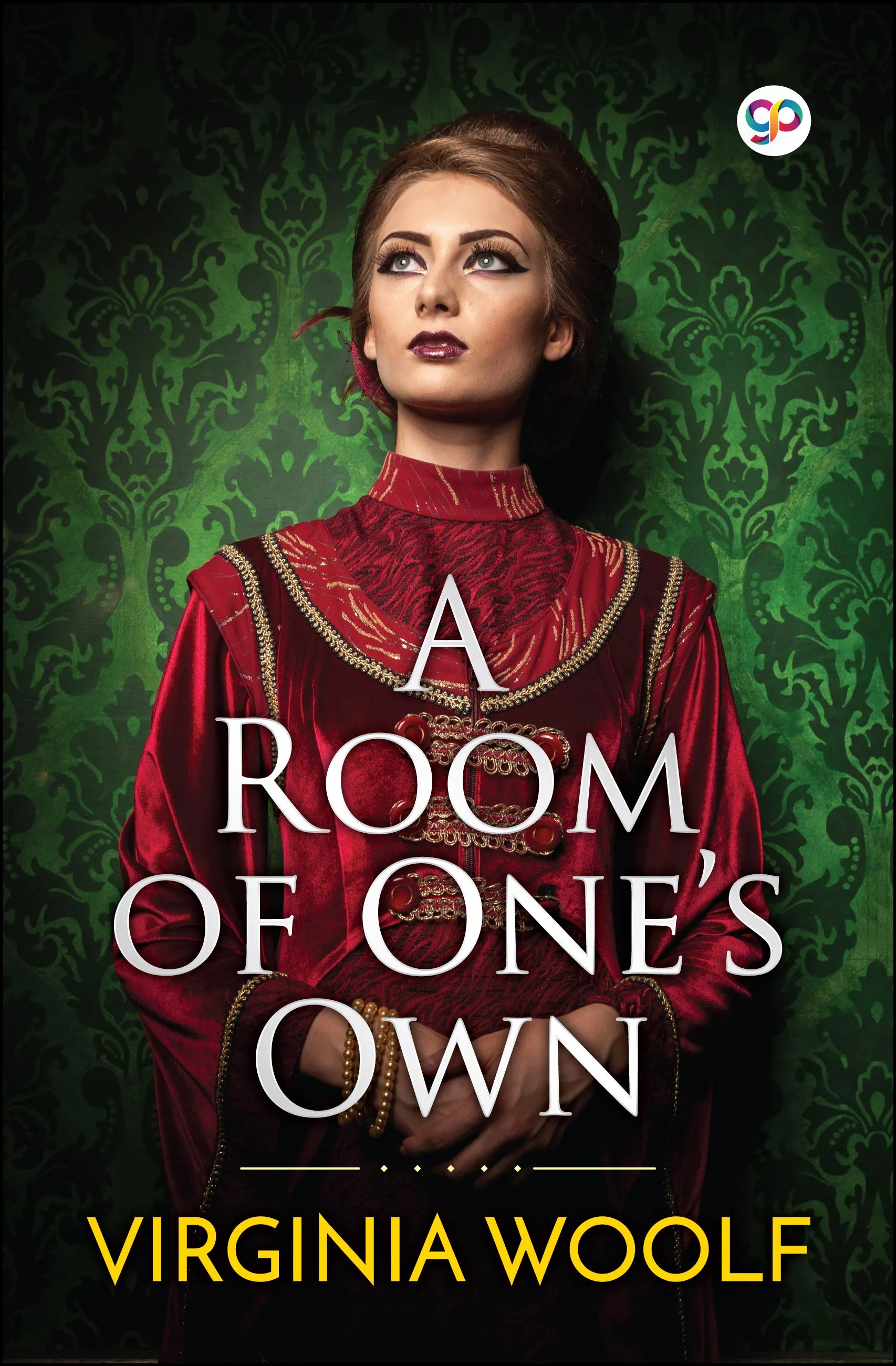
Download Cover Image
Do you want to download the full cover image for A Room of One's Own?