
Abide in Christ
eBook
• INR 70.00
• English
• 9789390492558
No ratings yet
| Publisher | General Press |
|---|---|
| ISBN13 | 9789390492558 |
| ASIN/SKU | B096HJ22TX |
| Book Format | eBook |
| Language | English |
| List Price | INR 70.00 |
| Subject Code | REL012020, REL012120 |
| Book Code | BD00068699 |
Buy this Book
Amazon Stores
Ebook Stores
Other Stores
Discover Abide in Christ by Andrew Murray. This book is published by General Press in eBook format, ISBN 9789390492558, ASIN B096HJ22TX, under Christian Books and Bibles, Christian Living, Theology.
Book Description
In this timeless classic, first published in 1895, Dutch Reformed Pastor Andrew Murray explores scripture and the life of Christ in order to teach how to live daily in closer communion and companionship with him. Andrew Murray wrote this series of meditations to unravel the secrets of going beyond following, and into abiding in the Vine so the faith can always be fresh and ever growing. He urges readers to surrender themselves to Jesus, in order that they may know the rich and full experience of the sacredness of abiding in Christ. This word ‘abide’ speaks of the intimacy of fellowship to which his followers are still invited.
The author explains out of conviction that many believers are missing out on something that is really at the heart of a healthy Christian life, although they trust the Lord for forgiveness and help, they are yet to experience the blessing of a day by day walk with Christ. He shows how, by taking the time to live closer to Jesus, one can move into a deeper and stronger Christian experience.
The author explains out of conviction that many believers are missing out on something that is really at the heart of a healthy Christian life, although they trust the Lord for forgiveness and help, they are yet to experience the blessing of a day by day walk with Christ. He shows how, by taking the time to live closer to Jesus, one can move into a deeper and stronger Christian experience.
Author Biography
Andrew Murray (1828-1917) was an amazingly prolific Christian writer. He lived and ministered as both a pastor and author in the towns and villages of South Africa. Some of Murray's earliest works were written to provide nurture and guidance to Christians, whether young or old in the faith; they were actually an extension of his pastoral work. Once books such as Abide in Christ, Divine Healing, and With Christ in the School of Prayer were written, Murray became widely known, and new books from his pen were awaited with great eagerness throughout the world.
He wrote to give daily practical help to many of the people in his congregation who lived out in the farming communities and could come into town for church services only on rare occasions. As he wrote these books of instruction, Murray adopted the practice of placing many of his more devotional books into thirty-one separate readings to correspond with the days of the month.
At the age of seventy-eight, Murray resigned from the pastorate and devoted most of his time to his manuscripts. He continued to write profusely, moving from one book to the next with an intensity of purpose and a zeal that few men of God have ever equaled. He often said of himself, rather humorously, that he was like a hen about to hatch an egg; he was restless and unhappy until he got the burden of the message off his mind.
During these later years, after hearing of pocket-sized paperbacks, Andrew Murray immediately began to write books to be published in that fashion. He thought it was a splendid way to have the teachings of the Christian life at your fingertips, where they could be carried around and read at any time of the day.
One source has said of Andrew Murray that his prolific style possesses the strength and eloquence that are born of deep earnestness and a sense of the solemnity of the issues of the Christian life. Nearly every page reveals an intensity of purpose and appeal that stirs men to the depths of their souls. Murray moves the emotions, searches the conscience, and reveals the sins and shortcomings of many of us with a love and hope born out of an intimate knowledge of the mercy and faithfulness of God.
For Andrew Murray, prayer was considered our personal home base from which we live our Christian lives and extend ourselves to others. During his later years, the vital necessity of unceasing prayer in the spiritual life came to the forefront of his teachings. It was then that he revealed the secret treasures of his heart concerning a life of persistent and believing prayer.
Countless people the world over have hailed Andrew Murray as their spiritual father and given credit for much of their Christian growth to the influence of his priceless devotional books.
He wrote to give daily practical help to many of the people in his congregation who lived out in the farming communities and could come into town for church services only on rare occasions. As he wrote these books of instruction, Murray adopted the practice of placing many of his more devotional books into thirty-one separate readings to correspond with the days of the month.
At the age of seventy-eight, Murray resigned from the pastorate and devoted most of his time to his manuscripts. He continued to write profusely, moving from one book to the next with an intensity of purpose and a zeal that few men of God have ever equaled. He often said of himself, rather humorously, that he was like a hen about to hatch an egg; he was restless and unhappy until he got the burden of the message off his mind.
During these later years, after hearing of pocket-sized paperbacks, Andrew Murray immediately began to write books to be published in that fashion. He thought it was a splendid way to have the teachings of the Christian life at your fingertips, where they could be carried around and read at any time of the day.
One source has said of Andrew Murray that his prolific style possesses the strength and eloquence that are born of deep earnestness and a sense of the solemnity of the issues of the Christian life. Nearly every page reveals an intensity of purpose and appeal that stirs men to the depths of their souls. Murray moves the emotions, searches the conscience, and reveals the sins and shortcomings of many of us with a love and hope born out of an intimate knowledge of the mercy and faithfulness of God.
For Andrew Murray, prayer was considered our personal home base from which we live our Christian lives and extend ourselves to others. During his later years, the vital necessity of unceasing prayer in the spiritual life came to the forefront of his teachings. It was then that he revealed the secret treasures of his heart concerning a life of persistent and believing prayer.
Countless people the world over have hailed Andrew Murray as their spiritual father and given credit for much of their Christian growth to the influence of his priceless devotional books.
Editorial Reviews
Editorial Reviews will be added soon…
Book Summary
Andrew Murray’s Abide in Christ is a deeply devotional Christian book about one central idea: the believer’s life becomes fruitful, peaceful, and spiritually strong by remaining closely connected to Jesus Christ. First published in the nineteenth century, the book draws its inspiration especially from Christ’s words in John 15, where He describes Himself as the vine and His followers as the branches. Murray takes this simple but powerful image and explores what it means in everyday Christian life. Rather than presenting faith merely as a collection of beliefs or religious duties, he presents it as a living relationship with Christ.
The word “abide” is the heart of the book. To abide in Christ means to remain in Him, depend upon Him, draw spiritual strength from Him, and consciously allow His life to shape one’s own. Murray believes that many Christians struggle because they try to live the Christian life through their own strength. They attempt to overcome sin, become more loving, pray more faithfully, or serve others better through determination alone. But, in his view, genuine spiritual growth does not come primarily from trying harder. It comes from learning to depend more completely on Christ.
Murray begins with the image of the vine and the branches. A branch cannot produce fruit independently. It has no life of its own apart from the vine. In exactly the same way, the Christian cannot produce lasting spiritual fruit without remaining connected to Christ. This does not mean that believers should become passive or careless. Instead, it means that all Christian activity should flow from dependence upon Christ. The branch bears fruit because it remains connected to the source of its life.
This idea leads Murray to one of the book’s most important teachings: abiding in Christ is not a single spiritual experience but a continuing way of life. A person may have a powerful moment of conversion or spiritual awakening, but the Christian journey requires daily dependence. Every day brings new decisions, temptations, disappointments, responsibilities, and opportunities. The believer must continually return to Christ and trust Him again.
Murray places great emphasis on faith. To abide in Christ requires believing that Christ is sufficient even when one’s feelings do not seem to confirm it. Christians may sometimes feel spiritually weak, distant from God, or unworthy of His love. Murray encourages them not to make their changing emotions the measure of their relationship with Christ. Faith rests upon Christ Himself rather than upon personal feelings. The believer can continue trusting even during seasons of spiritual dryness.
Another important theme is surrender. Murray teaches that the Christian must give every part of life to God. This includes ambitions, desires, relationships, fears, plans, and possessions. Such surrender is not presented as a miserable loss but as a doorway to freedom. When people insist on controlling everything themselves, they become anxious and spiritually exhausted. By placing themselves in God’s hands, they learn to trust His wisdom and direction.
Murray also connects abiding with obedience. Remaining in Christ is not simply an emotional feeling of closeness to God. It affects the way a person lives. Christ’s life should increasingly become visible through the believer’s actions. Obedience, therefore, is not merely a burden imposed from outside; it is the natural expression of a life connected to Christ. As the branch receives life from the vine, the Christian who remains in Christ gradually begins to produce spiritual fruit.
One of the fruits Murray emphasizes is love. He believes that Christian love cannot be manufactured by human effort alone. People may try to be patient, forgiving, generous, or kind, but lasting love becomes possible when the believer receives Christ’s love and allows it to flow outward. Abiding changes relationships because it changes the heart. Instead of constantly asking what others deserve, the Christian learns to respond to others with the grace that Christ has shown.
Murray also speaks about prayer as an essential part of abiding. Prayer is not merely asking God for things. It is a way of remaining in communication with Him. The person who abides in Christ learns to bring every need, desire, fear, and decision before God. Murray especially stresses the promise that those who abide in Christ may ask and receive according to God’s will. The deeper a person’s relationship with Christ becomes, the more his or her desires are gradually shaped by God.
The subject of spiritual fruitfulness is closely connected with this teaching. Murray argues that Christians often become frustrated because they focus too much on visible results. They want to know immediately whether they are becoming better people or whether their efforts are producing success. But the vine-and-branch image teaches patience. Fruit develops gradually. The believer’s responsibility is to remain connected to Christ; spiritual fruit follows in God’s time.
Murray also addresses suffering and difficulty. Abiding in Christ does not mean being protected from hardship. In fact, trials may become opportunities for deeper dependence. He discusses the loving discipline of God, comparing spiritual pruning to the cutting away of unnecessary growth from a vine. Pruning can be painful, but it allows the plant to become more fruitful. Similarly, disappointments and losses can expose attachments that have taken the place of God. When received in faith, difficult experiences can deepen spiritual life.
Humility is another major part of Murray’s message. The branch has nothing to boast about because its life comes from the vine. Likewise, the Christian cannot claim spiritual achievement as a personal accomplishment. Every good quality and every genuinely fruitful action ultimately depends upon God’s grace. This understanding encourages humility while also relieving the believer from the pressure of having to prove personal worth.
Murray repeatedly returns to the idea that Christ Himself must be the center of Christian life. The goal is not simply to become morally respectable, religiously active, or emotionally spiritual. The goal is to know Christ and live in Him. The Christian life is therefore not primarily about accumulating religious practices but about developing a relationship of trust, love, dependence, and obedience.
The book’s tone is gentle, encouraging, and deeply personal. Murray often speaks directly to the reader, as though guiding someone who is tired of struggling alone. His message is especially comforting to people who feel that their spiritual lives are marked by repeated failure. He does not suggest that the answer is to become stronger through sheer determination. Instead, he points the reader back to Christ.
Ultimately, Abide in Christ presents Christian spirituality as a life of continual dependence. Its central lesson is simple but profound: the Christian does not have to manufacture spiritual life independently. Just as a branch receives everything it needs from the vine, believers are called to receive their strength, love, wisdom, peace, and fruitfulness from Christ. Abiding involves faith when circumstances are uncertain, surrender when control is difficult, obedience when the path is demanding, prayer when answers seem distant, and patience when growth is slow.
Murray’s lasting message is that spiritual transformation begins not with self-confidence but with Christ-confidence. The more completely a person learns to remain in Christ, the less life becomes an exhausting attempt at self-improvement and the more it becomes an expression of divine grace. In this sense, Abide in Christ is ultimately an invitation to stop living the Christian life alone and to discover the quiet strength that comes from remaining, day after day, in the love and life of Christ.
The word “abide” is the heart of the book. To abide in Christ means to remain in Him, depend upon Him, draw spiritual strength from Him, and consciously allow His life to shape one’s own. Murray believes that many Christians struggle because they try to live the Christian life through their own strength. They attempt to overcome sin, become more loving, pray more faithfully, or serve others better through determination alone. But, in his view, genuine spiritual growth does not come primarily from trying harder. It comes from learning to depend more completely on Christ.
Murray begins with the image of the vine and the branches. A branch cannot produce fruit independently. It has no life of its own apart from the vine. In exactly the same way, the Christian cannot produce lasting spiritual fruit without remaining connected to Christ. This does not mean that believers should become passive or careless. Instead, it means that all Christian activity should flow from dependence upon Christ. The branch bears fruit because it remains connected to the source of its life.
This idea leads Murray to one of the book’s most important teachings: abiding in Christ is not a single spiritual experience but a continuing way of life. A person may have a powerful moment of conversion or spiritual awakening, but the Christian journey requires daily dependence. Every day brings new decisions, temptations, disappointments, responsibilities, and opportunities. The believer must continually return to Christ and trust Him again.
Murray places great emphasis on faith. To abide in Christ requires believing that Christ is sufficient even when one’s feelings do not seem to confirm it. Christians may sometimes feel spiritually weak, distant from God, or unworthy of His love. Murray encourages them not to make their changing emotions the measure of their relationship with Christ. Faith rests upon Christ Himself rather than upon personal feelings. The believer can continue trusting even during seasons of spiritual dryness.
Another important theme is surrender. Murray teaches that the Christian must give every part of life to God. This includes ambitions, desires, relationships, fears, plans, and possessions. Such surrender is not presented as a miserable loss but as a doorway to freedom. When people insist on controlling everything themselves, they become anxious and spiritually exhausted. By placing themselves in God’s hands, they learn to trust His wisdom and direction.
Murray also connects abiding with obedience. Remaining in Christ is not simply an emotional feeling of closeness to God. It affects the way a person lives. Christ’s life should increasingly become visible through the believer’s actions. Obedience, therefore, is not merely a burden imposed from outside; it is the natural expression of a life connected to Christ. As the branch receives life from the vine, the Christian who remains in Christ gradually begins to produce spiritual fruit.
One of the fruits Murray emphasizes is love. He believes that Christian love cannot be manufactured by human effort alone. People may try to be patient, forgiving, generous, or kind, but lasting love becomes possible when the believer receives Christ’s love and allows it to flow outward. Abiding changes relationships because it changes the heart. Instead of constantly asking what others deserve, the Christian learns to respond to others with the grace that Christ has shown.
Murray also speaks about prayer as an essential part of abiding. Prayer is not merely asking God for things. It is a way of remaining in communication with Him. The person who abides in Christ learns to bring every need, desire, fear, and decision before God. Murray especially stresses the promise that those who abide in Christ may ask and receive according to God’s will. The deeper a person’s relationship with Christ becomes, the more his or her desires are gradually shaped by God.
The subject of spiritual fruitfulness is closely connected with this teaching. Murray argues that Christians often become frustrated because they focus too much on visible results. They want to know immediately whether they are becoming better people or whether their efforts are producing success. But the vine-and-branch image teaches patience. Fruit develops gradually. The believer’s responsibility is to remain connected to Christ; spiritual fruit follows in God’s time.
Murray also addresses suffering and difficulty. Abiding in Christ does not mean being protected from hardship. In fact, trials may become opportunities for deeper dependence. He discusses the loving discipline of God, comparing spiritual pruning to the cutting away of unnecessary growth from a vine. Pruning can be painful, but it allows the plant to become more fruitful. Similarly, disappointments and losses can expose attachments that have taken the place of God. When received in faith, difficult experiences can deepen spiritual life.
Humility is another major part of Murray’s message. The branch has nothing to boast about because its life comes from the vine. Likewise, the Christian cannot claim spiritual achievement as a personal accomplishment. Every good quality and every genuinely fruitful action ultimately depends upon God’s grace. This understanding encourages humility while also relieving the believer from the pressure of having to prove personal worth.
Murray repeatedly returns to the idea that Christ Himself must be the center of Christian life. The goal is not simply to become morally respectable, religiously active, or emotionally spiritual. The goal is to know Christ and live in Him. The Christian life is therefore not primarily about accumulating religious practices but about developing a relationship of trust, love, dependence, and obedience.
The book’s tone is gentle, encouraging, and deeply personal. Murray often speaks directly to the reader, as though guiding someone who is tired of struggling alone. His message is especially comforting to people who feel that their spiritual lives are marked by repeated failure. He does not suggest that the answer is to become stronger through sheer determination. Instead, he points the reader back to Christ.
Ultimately, Abide in Christ presents Christian spirituality as a life of continual dependence. Its central lesson is simple but profound: the Christian does not have to manufacture spiritual life independently. Just as a branch receives everything it needs from the vine, believers are called to receive their strength, love, wisdom, peace, and fruitfulness from Christ. Abiding involves faith when circumstances are uncertain, surrender when control is difficult, obedience when the path is demanding, prayer when answers seem distant, and patience when growth is slow.
Murray’s lasting message is that spiritual transformation begins not with self-confidence but with Christ-confidence. The more completely a person learns to remain in Christ, the less life becomes an exhausting attempt at self-improvement and the more it becomes an expression of divine grace. In this sense, Abide in Christ is ultimately an invitation to stop living the Christian life alone and to discover the quiet strength that comes from remaining, day after day, in the love and life of Christ.
Sample Chapters
Sample Chapters will be added soon…
Reader Reviews
No reviews yet.
Abide in Christ
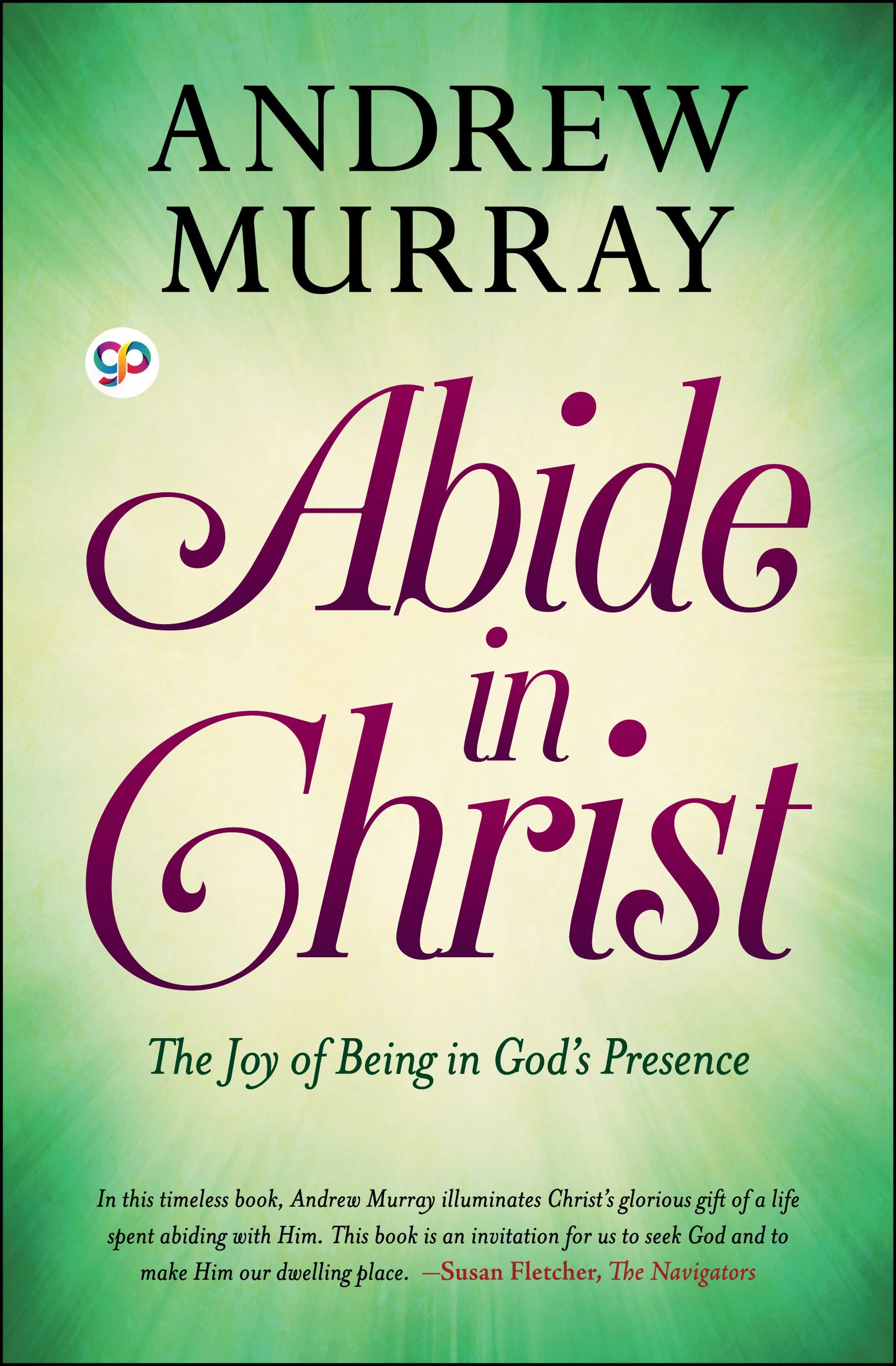
Download Cover Image
Do you want to download the full cover image for Abide in Christ?