
Uncle Tom's Cabin
eBook
• INR 51.00
• English
• 9788194748649
No ratings yet
| Publisher | General Press |
|---|---|
| ISBN13 | 9788194748649 |
| ASIN/SKU | B08GFTW2XM |
| Book Format | eBook |
| Language | English |
| List Price | INR 51.00 |
| Subject Code | LIT023000, FIC004000 |
| Publishing Date | 21/08/2020 |
| Book Code | BD00068714 |
Buy this Book
Amazon Stores
Ebook Stores
Other Stores
Discover Uncle Tom's Cabin by Harriet Beecher Stowe. This book is published by General Press in eBook format, ISBN 9788194748649, ASIN B08GFTW2XM, under Literature and Fiction, American Literature, Classics.
Book Description
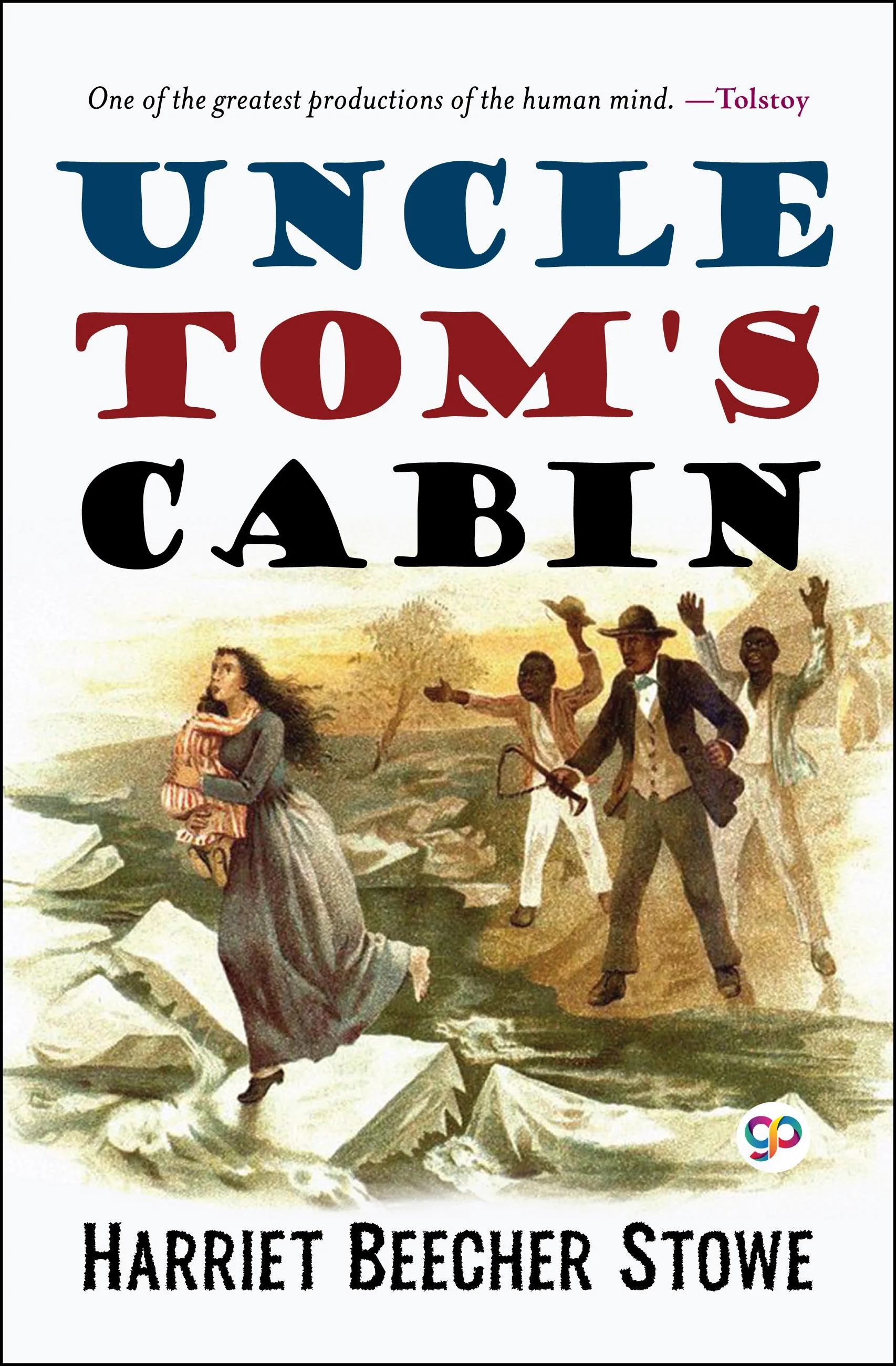
Uncle Tom's Cabin is the most popular, influential and controversial book written by an American. Viewed by many as fuelling the abolitionist movement of the 1850s and laying the groundwork for the Civil War, Harriet Beecher Stowe’s sentimental and moral tale of slaves attempting to secure their freedom was one of the most popular books of the nineteenth century. Centred round the long-suffering Uncle Tom, a devout Christian slave who endures cruelty and abuse from his owners, Tom is often celebrated as the first black hero in American fiction who refuses to obey his white masters. With other strong protagonists such as Eliza, a courageous slave who flees to the North with her son when she learns that he is to be sold, Beecher Stowe highlighted the plight of southern slaves and the breaking up of black families. Not without its controversy, more recent criticism has suggested that the novel contributed negatively to the stereotyping of the black community.
Author Biography
Harriet Beecher Stowe (1811–1896) was an influential American author, abolitionist, and social reformer whose powerful novel Uncle Tom's Cabin changed the course of literary and political history. Through her compassionate storytelling and deep moral conviction, she exposed the cruelty of slavery and awakened millions of readers to the urgent need for justice and human equality. Her work became one of the most significant literary contributions to the abolitionist movement and remains a landmark in American literature.
Born on June 14, 1811, in Litchfield, Connecticut, Harriet Elizabeth Beecher grew up in a family deeply committed to education, religion, and social reform. Her father, Lyman Beecher, was a prominent minister, and several of her siblings became well-known educators, writers, and activists. Harriet received an excellent education at the Hartford Female Seminary, founded by her sister Catharine Beecher, where she developed a lifelong love for literature, languages, and writing.
In 1836, she married Calvin Ellis Stowe, a biblical scholar and professor who strongly supported her literary ambitions. Living in Cincinnati, Ohio—a city located on the border between free and slave states—gave Harriet firsthand exposure to the realities of slavery. She met formerly enslaved people, heard their stories, and witnessed the suffering caused by the institution. These experiences profoundly shaped her beliefs and inspired her writing.
In 1852, Stowe published Uncle Tom's Cabin, a novel that portrayed the devastating human consequences of slavery through unforgettable characters and emotionally powerful storytelling. The book became an international bestseller, selling hundreds of thousands of copies within its first year and being translated into numerous languages. Its influence extended far beyond literature, strengthening anti-slavery sentiment in the United States and abroad. Although modern readers and scholars have critically reexamined some aspects of its portrayal of race and its stereotypes, the novel's historical impact in challenging slavery remains widely recognized.
Beyond her most famous work, Stowe wrote more than thirty books, including novels, essays, travel writings, and religious works. Throughout her life, she remained committed to education, women's rights, and humanitarian causes, using her writing to encourage compassion and social responsibility.
Harriet Beecher Stowe passed away on July 1, 1896, in Hartford, Connecticut. Today, she is remembered as one of America's most influential writers, whose courage, empathy, and literary talent helped inspire a movement for freedom and justice, leaving an enduring legacy in both literature and social reform.
Born on June 14, 1811, in Litchfield, Connecticut, Harriet Elizabeth Beecher grew up in a family deeply committed to education, religion, and social reform. Her father, Lyman Beecher, was a prominent minister, and several of her siblings became well-known educators, writers, and activists. Harriet received an excellent education at the Hartford Female Seminary, founded by her sister Catharine Beecher, where she developed a lifelong love for literature, languages, and writing.
In 1836, she married Calvin Ellis Stowe, a biblical scholar and professor who strongly supported her literary ambitions. Living in Cincinnati, Ohio—a city located on the border between free and slave states—gave Harriet firsthand exposure to the realities of slavery. She met formerly enslaved people, heard their stories, and witnessed the suffering caused by the institution. These experiences profoundly shaped her beliefs and inspired her writing.
In 1852, Stowe published Uncle Tom's Cabin, a novel that portrayed the devastating human consequences of slavery through unforgettable characters and emotionally powerful storytelling. The book became an international bestseller, selling hundreds of thousands of copies within its first year and being translated into numerous languages. Its influence extended far beyond literature, strengthening anti-slavery sentiment in the United States and abroad. Although modern readers and scholars have critically reexamined some aspects of its portrayal of race and its stereotypes, the novel's historical impact in challenging slavery remains widely recognized.
Beyond her most famous work, Stowe wrote more than thirty books, including novels, essays, travel writings, and religious works. Throughout her life, she remained committed to education, women's rights, and humanitarian causes, using her writing to encourage compassion and social responsibility.
Harriet Beecher Stowe passed away on July 1, 1896, in Hartford, Connecticut. Today, she is remembered as one of America's most influential writers, whose courage, empathy, and literary talent helped inspire a movement for freedom and justice, leaving an enduring legacy in both literature and social reform.
Editorial Reviews
Editorial Reviews will be added soon…
Book Summary
Book Summary will be added soon…
Sample Chapters
Sample Chapters will be added soon…
Reader Reviews
No reviews yet.
Uncle Tom's Cabin
Download Cover Image
Do you want to download the full cover image for Uncle Tom's Cabin?