
Self-Reliance and Other Essays
eBook
• INR 70.00
• English
• 9788194764878
No ratings yet
| Publisher | General Press |
|---|---|
| ISBN13 | 9788194764878 |
| ASIN/SKU | B08KJNX412 |
| Book Format | eBook |
| Language | English |
| List Price | INR 70.00 |
| Subject Code | PHI005000, POE001000 |
| Publishing Date | 08/10/2020 |
| Book Code | BD00068722 |
Buy this Book
Amazon Stores
Ebook Stores
Other Stores
Discover Self-Reliance and Other Essays by Ralph Waldo Emerson. This book is published by General Press in eBook format, ISBN 9788194764878, ASIN B08KJNX412, under Self-Help, American Literature, Literary Criticism and Theory.
Book Description
Follow the thoughts of essayist, poet and American Transcendentalism founder Ralph Waldo Emerson as he discovered his own belief system in the anthology “Self-Reliance and Other Essays”. In ‘Self-Reliance’, Emerson explained that standing on one's own two feet against society was essential to forming a strong union with God. Once this essay was published, it received both wild praise and hurtful backlash from different factions of America. However, Emerson pushed through the negative criticism, stood against the crowd, and found himself stronger in his faith than he ever had before. Emerson found that self-reliance, no matter the situation, would always help the individual persevere and become stronger. Because Emerson wrote for the common man, many of his essays and poems are relatively simple and straight-forward; he wanted audiences to understand his thoughts and identify with his beliefs. He also wanted to wake them up from the conventional modern life that he believed had often placated them. Emerson's writings were meant to help the reader transcend to a more thoughtful mindset. His essays discuss themes of philosophy, poetry, history, politics, ethics, and literary criticism, all of which helped break people from what he believed were their mediocre lives. He saw that humanity could become stronger as a whole if people would take the steps to make themselves and their minds stronger.
Author Biography
Ralph Waldo Emerson (1803–1882) was one of America's greatest essayists, philosophers, poets, and public speakers. As the leading figure of the Transcendentalist movement, he encouraged people to trust their own judgment, seek spiritual truth through nature, and value individual freedom and self-reliance. His writings profoundly influenced American literature, philosophy, and social thought, inspiring generations of thinkers, writers, and reformers around the world.
Emerson was born on May 25, 1803, in Boston, Massachusetts, into a family of ministers. His father, William Emerson, died when Ralph was still a child, leaving the family to face financial hardship. Despite these challenges, Emerson received an excellent education, graduating from Harvard College in 1821. He later followed the family tradition by becoming a Unitarian minister. However, growing doubts about traditional religious practices led him to resign from the ministry in 1832, choosing instead to pursue a life devoted to writing, teaching, and public lectures.
After traveling through Europe, Emerson met influential thinkers such as Thomas Carlyle, Samuel Taylor Coleridge, and William Wordsworth. These encounters broadened his intellectual horizons and helped shape his philosophical ideas. Upon returning to the United States, he settled in Concord, Massachusetts, which became a center of literary and philosophical activity. There, he formed close friendships with writers including Henry David Thoreau, Margaret Fuller, and Bronson Alcott, all of whom contributed to the Transcendentalist movement.
Emerson's essays, including Nature, Self-Reliance, The American Scholar, and The Over-Soul, encouraged readers to cultivate independence, moral courage, and a deep appreciation for the natural world. He believed that every individual possessed an inner spiritual strength capable of guiding a meaningful life. His lectures attracted large audiences across America, where he spoke on education, democracy, culture, and social reform. Although primarily known as an essayist, he also wrote poetry that reflected his philosophical ideals and love of nature.
Ralph Waldo Emerson died on April 27, 1882, in Concord at the age of seventy-eight. Today, he is remembered as one of the founding voices of American intellectual life. His timeless ideas about self-confidence, creativity, personal responsibility, and the unity of humanity and nature continue to resonate with readers across cultures, making him one of the most enduring and influential thinkers in literary history.
Emerson was born on May 25, 1803, in Boston, Massachusetts, into a family of ministers. His father, William Emerson, died when Ralph was still a child, leaving the family to face financial hardship. Despite these challenges, Emerson received an excellent education, graduating from Harvard College in 1821. He later followed the family tradition by becoming a Unitarian minister. However, growing doubts about traditional religious practices led him to resign from the ministry in 1832, choosing instead to pursue a life devoted to writing, teaching, and public lectures.
After traveling through Europe, Emerson met influential thinkers such as Thomas Carlyle, Samuel Taylor Coleridge, and William Wordsworth. These encounters broadened his intellectual horizons and helped shape his philosophical ideas. Upon returning to the United States, he settled in Concord, Massachusetts, which became a center of literary and philosophical activity. There, he formed close friendships with writers including Henry David Thoreau, Margaret Fuller, and Bronson Alcott, all of whom contributed to the Transcendentalist movement.
Emerson's essays, including Nature, Self-Reliance, The American Scholar, and The Over-Soul, encouraged readers to cultivate independence, moral courage, and a deep appreciation for the natural world. He believed that every individual possessed an inner spiritual strength capable of guiding a meaningful life. His lectures attracted large audiences across America, where he spoke on education, democracy, culture, and social reform. Although primarily known as an essayist, he also wrote poetry that reflected his philosophical ideals and love of nature.
Ralph Waldo Emerson died on April 27, 1882, in Concord at the age of seventy-eight. Today, he is remembered as one of the founding voices of American intellectual life. His timeless ideas about self-confidence, creativity, personal responsibility, and the unity of humanity and nature continue to resonate with readers across cultures, making him one of the most enduring and influential thinkers in literary history.
Editorial Reviews
Editorial Reviews will be added soon…
Book Summary
Book Summary will be added soon…
Sample Chapters
Sample Chapters will be added soon…
Reader Reviews
No reviews yet.
Self-Reliance and Other Essays
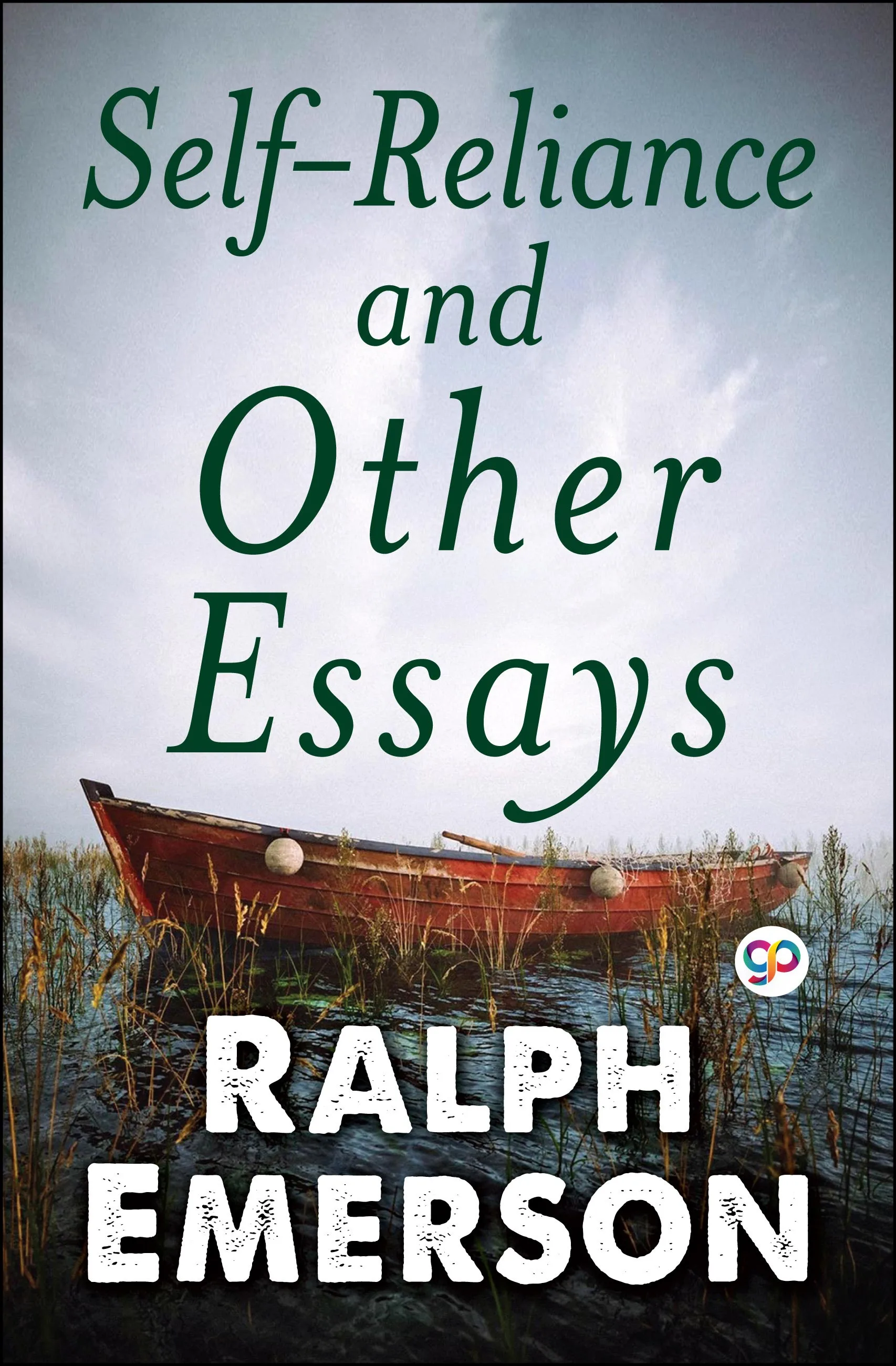
Download Cover Image
Do you want to download the full cover image for Self-Reliance and Other Essays?