
The Castle of Otranto
eBook
• INR 70.00
• English
• 9789391181130
No ratings yet
| Publisher | General Press |
|---|---|
| ISBN13 | 9789391181130 |
| ASIN/SKU | B096L7MVXF |
| Book Format | eBook |
| Language | English |
| List Price | INR 70.00 |
| Subject Code | FIC004000, FIC027040 |
| Publishing Date | 01/06/2021 |
| Book Code | BD00068727 |
Buy this Book
Amazon Stores
Ebook Stores
Other Stores
Discover The Castle of Otranto by Horace Walpole. This book is published by General Press in eBook format, ISBN 9789391181130, ASIN B096L7MVXF, under Literature and Fiction, Classics.
Book Description
The Castle of Otranto is a 1764 novel by Horace Walpole, which merged medievalism and terror in a style that has endured ever since. It is generally regarded as the first gothic novel, and it was indeed the first novel to describe itself by that term. The aesthetic of the book has shaped modern-day gothic books, films, art, music and the Goth subculture. Castle is thus generally credited with initiating the Gothic literary genre, one that would become extremely popular in the later 18th Century and early 19th Century.
The son of Manfred, Prince of Otranto, is mysteriously killed on his wedding day by a huge helmet. The event leads to a fast-paced story of jealous passion, intrigue, murder and supernatural phenomena unfolding in an atmosphere of thunderclaps, moonlight and dark castle walls—mirroring the inner turmoils of the characters themselves. Horace Walpole's tale received immediate success when it first appeared.
The son of Manfred, Prince of Otranto, is mysteriously killed on his wedding day by a huge helmet. The event leads to a fast-paced story of jealous passion, intrigue, murder and supernatural phenomena unfolding in an atmosphere of thunderclaps, moonlight and dark castle walls—mirroring the inner turmoils of the characters themselves. Horace Walpole's tale received immediate success when it first appeared.
Author Biography
Horace Walpole (1717–1797) was an English writer, historian, politician, art collector, and man of letters whose imagination and literary innovation left a lasting mark on English literature. Best known as the author of The Castle of Otranto (1764), he is widely regarded as the founder of the Gothic novel. His fascination with medieval architecture, mystery, and the supernatural introduced a new style of storytelling that would later inspire writers such as Ann Radcliffe, Mary Shelley, Edgar Allan Poe, and Bram Stoker.
Born on September 24, 1717, in London, Horace Walpole was the youngest son of Sir Robert Walpole, Britain's first de facto Prime Minister. Raised in a privileged and intellectually stimulating environment, he received his education at Eton College and King's College, Cambridge. Although he entered public life as a Member of Parliament and remained involved in politics for many years, his true passions lay in literature, history, architecture, and the arts.
Walpole traveled extensively across Europe during his youth, developing a keen appreciation for art and antiquities. His greatest personal project was Strawberry Hill House in Twickenham, a country residence that he transformed into a magnificent Gothic Revival mansion. With its towers, arches, stained glass, and medieval-inspired design, the house became one of England's earliest and most influential examples of Gothic Revival architecture. It reflected Walpole's belief that architecture, history, and imagination could work together to evoke wonder and emotion.
In 1764, Walpole published The Castle of Otranto, initially presenting it as the translation of an ancient Italian manuscript. Combining haunted castles, mysterious prophecies, supernatural events, and family secrets, the novel captivated readers and established the foundations of Gothic fiction. Beyond this groundbreaking work, Walpole wrote historical studies, essays, memoirs, and thousands of letters that provide invaluable insights into eighteenth-century British society, politics, and culture. His correspondence is regarded as one of the richest collections of personal letters in English literature.
Horace Walpole remained an influential cultural figure throughout his life, admired for his wit, curiosity, and refined artistic taste. He passed away on March 2, 1797, leaving behind a remarkable legacy that extended far beyond his own era.
Today, Horace Walpole is remembered as a visionary writer and patron of the arts whose creativity transformed literary history. His pioneering Gothic imagination, passion for history, and enduring influence on architecture and fiction continue to inspire readers, scholars, and artists around the world.
Born on September 24, 1717, in London, Horace Walpole was the youngest son of Sir Robert Walpole, Britain's first de facto Prime Minister. Raised in a privileged and intellectually stimulating environment, he received his education at Eton College and King's College, Cambridge. Although he entered public life as a Member of Parliament and remained involved in politics for many years, his true passions lay in literature, history, architecture, and the arts.
Walpole traveled extensively across Europe during his youth, developing a keen appreciation for art and antiquities. His greatest personal project was Strawberry Hill House in Twickenham, a country residence that he transformed into a magnificent Gothic Revival mansion. With its towers, arches, stained glass, and medieval-inspired design, the house became one of England's earliest and most influential examples of Gothic Revival architecture. It reflected Walpole's belief that architecture, history, and imagination could work together to evoke wonder and emotion.
In 1764, Walpole published The Castle of Otranto, initially presenting it as the translation of an ancient Italian manuscript. Combining haunted castles, mysterious prophecies, supernatural events, and family secrets, the novel captivated readers and established the foundations of Gothic fiction. Beyond this groundbreaking work, Walpole wrote historical studies, essays, memoirs, and thousands of letters that provide invaluable insights into eighteenth-century British society, politics, and culture. His correspondence is regarded as one of the richest collections of personal letters in English literature.
Horace Walpole remained an influential cultural figure throughout his life, admired for his wit, curiosity, and refined artistic taste. He passed away on March 2, 1797, leaving behind a remarkable legacy that extended far beyond his own era.
Today, Horace Walpole is remembered as a visionary writer and patron of the arts whose creativity transformed literary history. His pioneering Gothic imagination, passion for history, and enduring influence on architecture and fiction continue to inspire readers, scholars, and artists around the world.
Editorial Reviews
Editorial Reviews will be added soon…
Book Summary
Book Summary will be added soon…
Sample Chapters
Sample Chapters will be added soon…
Reader Reviews
No reviews yet.
The Castle of Otranto
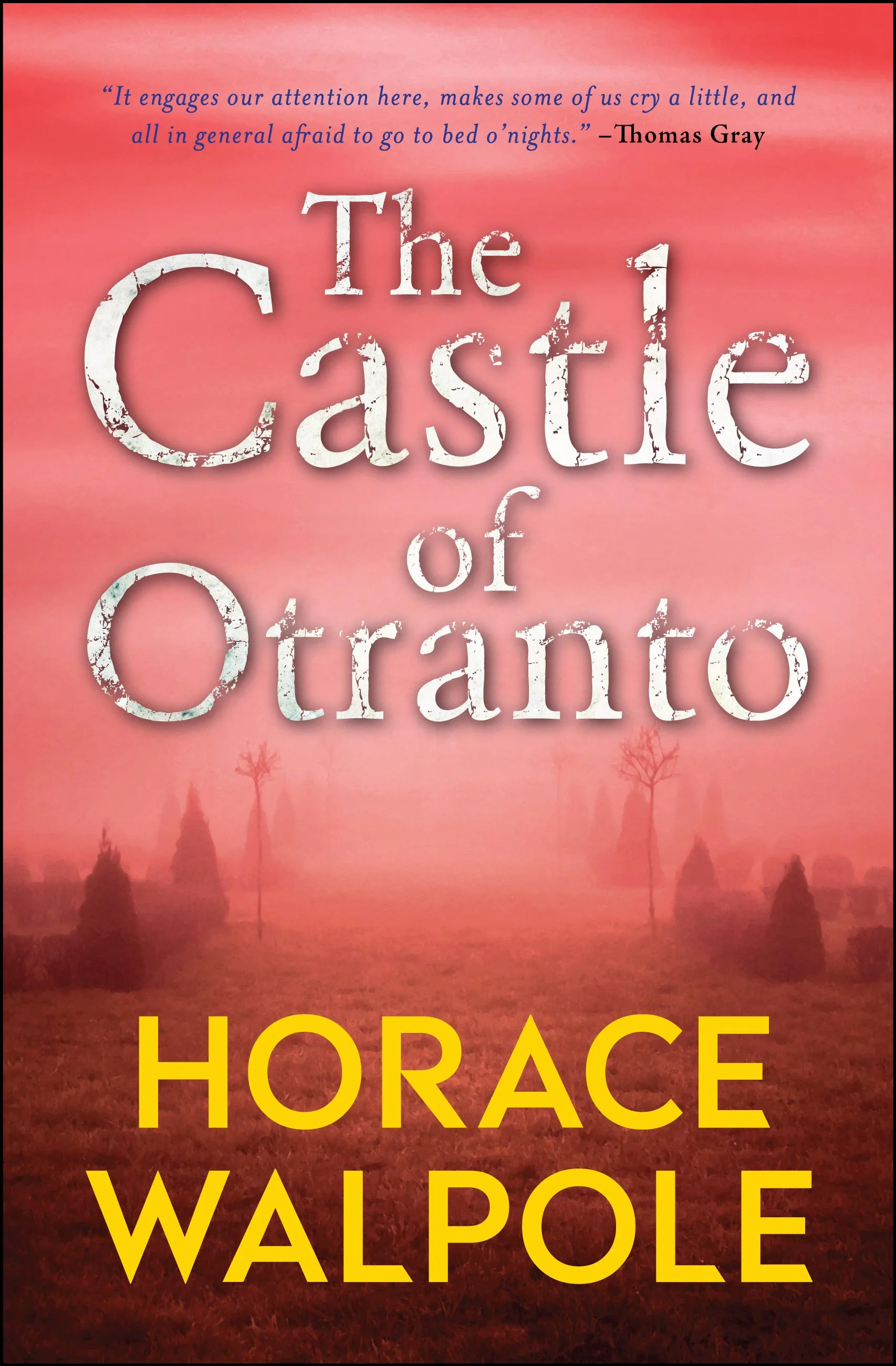
Download Cover Image
Do you want to download the full cover image for The Castle of Otranto?