
The Mill on the Floss
eBook
• INR 70.00
• English
• 9789391181192
No ratings yet
| Publisher | General Press |
|---|---|
| ISBN13 | 9789391181192 |
| ASIN/SKU | B096L839MP |
| Book Format | eBook |
| Language | English |
| List Price | INR 70.00 |
| Subject Code | FIC014020, FIC025000 |
| Publishing Date | 01/06/2021 |
| Book Code | BD00068728 |
Buy this Book
Amazon Stores
Ebook Stores
Other Stores
Discover The Mill on the Floss by George Eliot. This book is published by General Press in eBook format, ISBN 9789391181192, ASIN B096L839MP, under Literature and Fiction, Classics.
Book Description
‘The Mill on the Floss’ is a novel by George Eliot (the pen name of author Mary Ann Evans), published in 1860. The novel was originally published in three parts. It was very successful and was adapted into a film as early as 1937. It was Eliot’s second novel and one of her most successful of all time. The novel tells the story of Maggie Tulliver and her brother Tom as they grow from children to young adults in the small rural town of St. Ogg's, England. Smart and passionate, Maggie yearns to develop her mind and break free of the constraints of her provincial village. Though she loves her brother above anyone else, Tom's rigid, pragmatic personality often conflicts with Maggie's headstrong nature, with increasingly tragic consequences.
Through the characters of Tom and Maggie, Eliot examines themes of gender, education, and personality formation, and her portrayal of the town of St. Ogg's is both a brilliant depiction of provincial narrow-mindedness and constraining social norms and an intelligent commentary on the changes to rural life brought about by the forces of industrialization.
‘The Mill on the Floss’ is an everlasting portrait of love, family, and individuals striving to create their own destinies, one whose words and characters resonate as strikingly today as they did for Eliot's initial readers.
Through the characters of Tom and Maggie, Eliot examines themes of gender, education, and personality formation, and her portrayal of the town of St. Ogg's is both a brilliant depiction of provincial narrow-mindedness and constraining social norms and an intelligent commentary on the changes to rural life brought about by the forces of industrialization.
‘The Mill on the Floss’ is an everlasting portrait of love, family, and individuals striving to create their own destinies, one whose words and characters resonate as strikingly today as they did for Eliot's initial readers.
Author Biography
George Eliot (1819–1880), the pen name of Mary Ann Evans, was one of the most important English novelists of the Victorian era. Renowned for her psychological insight, realistic storytelling, and profound understanding of human relationships, Eliot transformed the English novel by exploring the moral and emotional complexities of ordinary life. Her works continue to be celebrated for their intellectual depth, compassion, and timeless relevance.
Born on November 22, 1819, in Nuneaton, Warwickshire, England, Mary Ann Evans grew up in a rural setting that later inspired many of the landscapes and communities in her fiction. She received an excellent education for a woman of her time, developing a deep love for literature, philosophy, history, and languages. After the death of her mother, she devoted herself to caring for her father while continuing her studies through extensive reading and self-education.
Following her father's death, Evans moved to London, where she became a respected editor and literary critic for the influential Westminster Review. Her intellectual circle included many of the leading thinkers, scientists, and writers of Victorian England. When she decided to write fiction, she adopted the pen name George Eliot, partly to ensure that her work would be judged on its literary merit rather than dismissed because she was a woman, and partly to maintain privacy regarding her unconventional personal life.
Eliot achieved remarkable success with novels such as Adam Bede (1859), The Mill on the Floss (1860), Silas Marner (1861), Romola (1863), Felix Holt, the Radical (1866), Middlemarch (1871–72), and Daniel Deronda (1876). Among these, Middlemarch is often regarded as one of the greatest novels ever written, admired for its richly developed characters and thoughtful exploration of society, ambition, marriage, and personal responsibility. Her stories are distinguished by their emotional honesty, philosophical reflection, and deep empathy for people from every walk of life.
Throughout her career, George Eliot challenged conventional ideas about gender, morality, and social expectations while portraying human beings with extraordinary compassion. She believed that understanding others was the foundation of a just and humane society.
George Eliot died on December 22, 1880, in London. Today, she is remembered as one of the finest novelists in the English language, whose powerful stories continue to inspire readers with their wisdom, humanity, and enduring insight into the complexities of life.
Born on November 22, 1819, in Nuneaton, Warwickshire, England, Mary Ann Evans grew up in a rural setting that later inspired many of the landscapes and communities in her fiction. She received an excellent education for a woman of her time, developing a deep love for literature, philosophy, history, and languages. After the death of her mother, she devoted herself to caring for her father while continuing her studies through extensive reading and self-education.
Following her father's death, Evans moved to London, where she became a respected editor and literary critic for the influential Westminster Review. Her intellectual circle included many of the leading thinkers, scientists, and writers of Victorian England. When she decided to write fiction, she adopted the pen name George Eliot, partly to ensure that her work would be judged on its literary merit rather than dismissed because she was a woman, and partly to maintain privacy regarding her unconventional personal life.
Eliot achieved remarkable success with novels such as Adam Bede (1859), The Mill on the Floss (1860), Silas Marner (1861), Romola (1863), Felix Holt, the Radical (1866), Middlemarch (1871–72), and Daniel Deronda (1876). Among these, Middlemarch is often regarded as one of the greatest novels ever written, admired for its richly developed characters and thoughtful exploration of society, ambition, marriage, and personal responsibility. Her stories are distinguished by their emotional honesty, philosophical reflection, and deep empathy for people from every walk of life.
Throughout her career, George Eliot challenged conventional ideas about gender, morality, and social expectations while portraying human beings with extraordinary compassion. She believed that understanding others was the foundation of a just and humane society.
George Eliot died on December 22, 1880, in London. Today, she is remembered as one of the finest novelists in the English language, whose powerful stories continue to inspire readers with their wisdom, humanity, and enduring insight into the complexities of life.
Editorial Reviews
Editorial Reviews will be added soon…
Book Summary
Book Summary will be added soon…
Sample Chapters
Sample Chapters will be added soon…
Reader Reviews
No reviews yet.
The Mill on the Floss
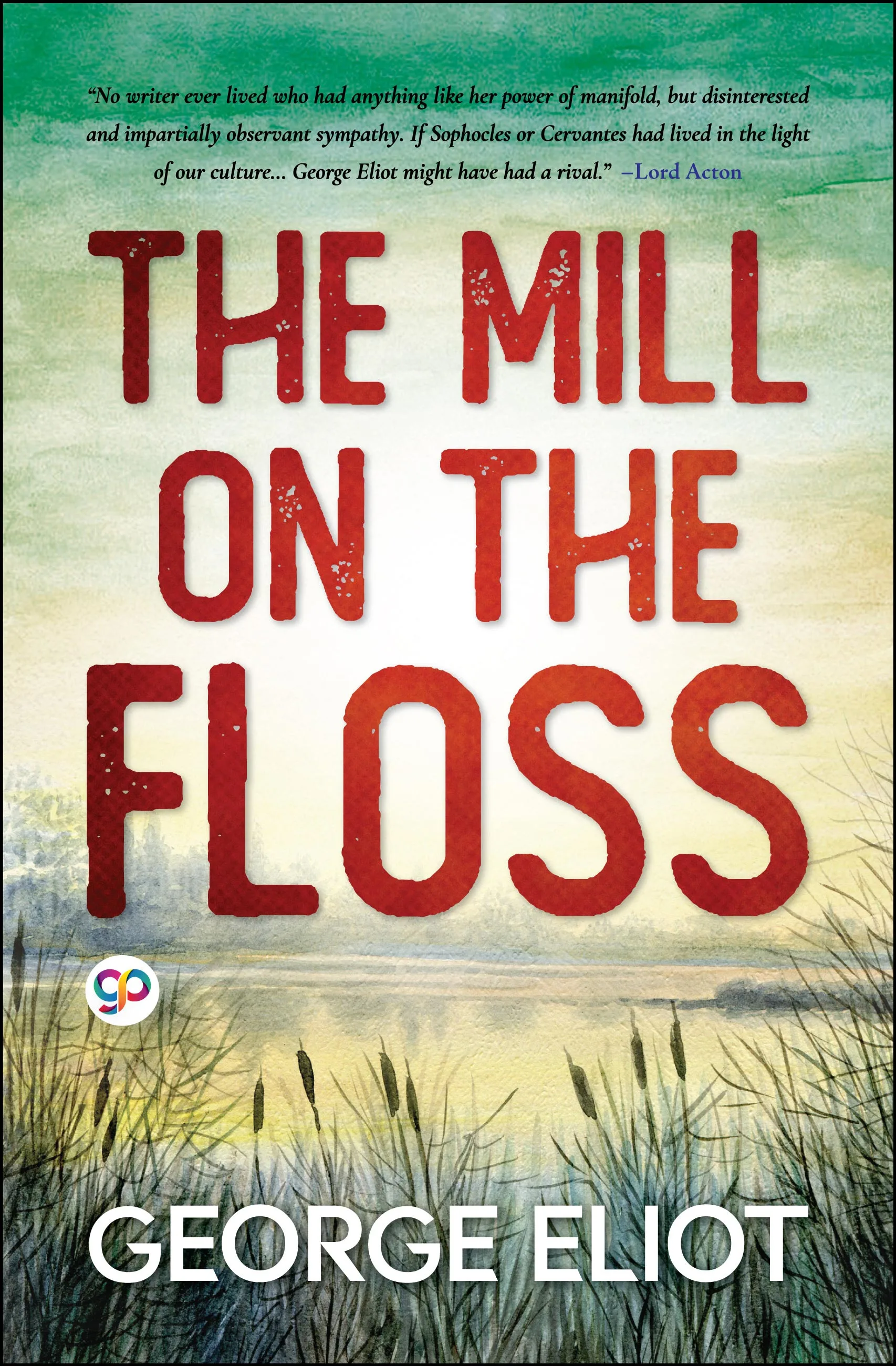
Download Cover Image
Do you want to download the full cover image for The Mill on the Floss?