
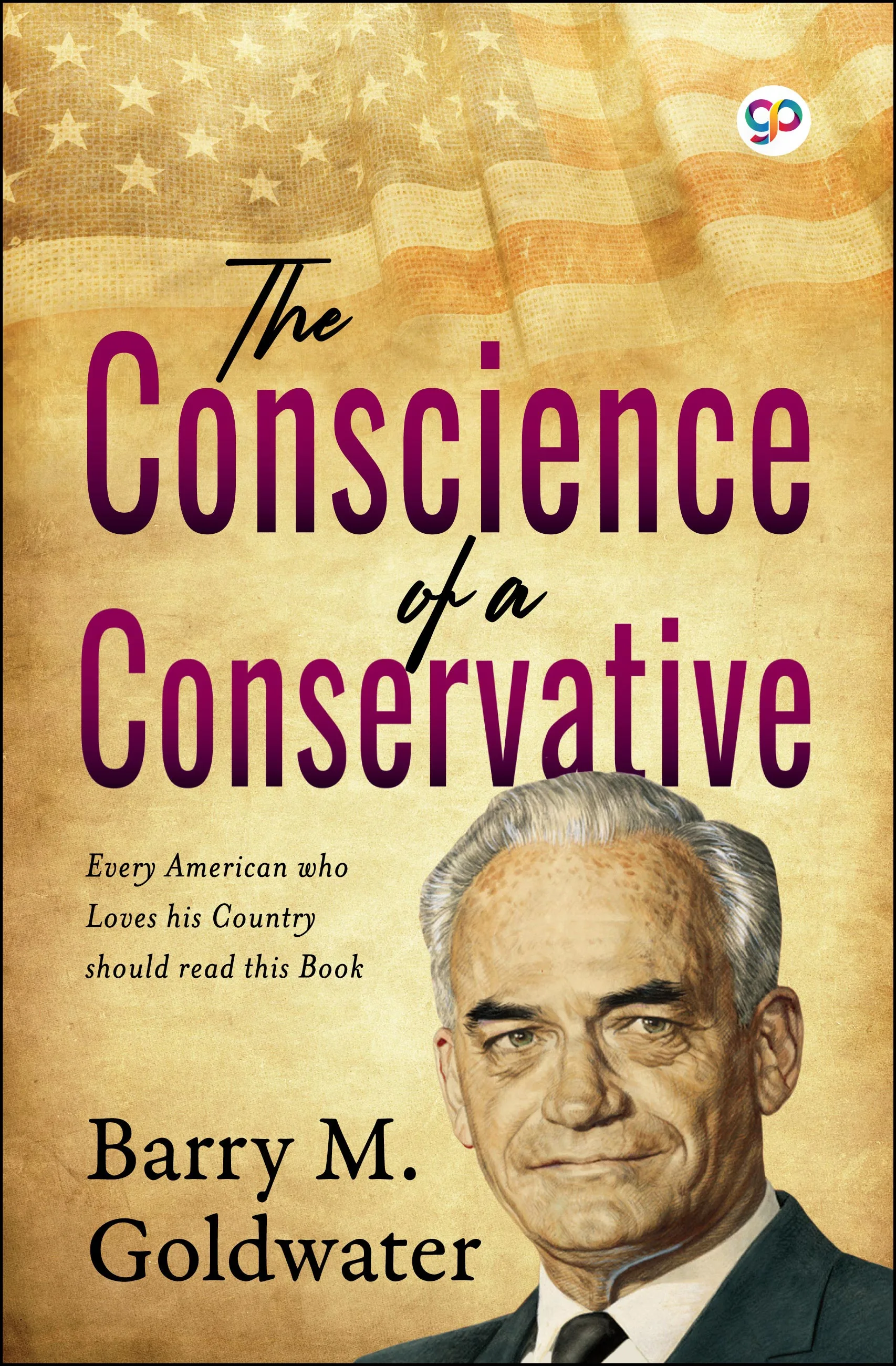
The Conscience of a Conservative
eBook
• INR 70.00
• English
• 9789390492763
No ratings yet
| Publisher | General Press |
|---|---|
| ISBN13 | 9789390492763 |
| ASIN/SKU | B096T5KXWK |
| Book Format | eBook |
| Language | English |
| List Price | INR 70.00 |
| Subject Code | POL042000, PHI019000 |
| Book Code | BD00068740 |
Buy this Book
Amazon Stores
Ebook Stores
Other Stores
Discover The Conscience of a Conservative by Barry M. Goldwater. This book is published by General Press in eBook format, ISBN 9789390492763, ASIN B096T5KXWK, under Politics and Social Sciences, Politics.
Book Description
Published in 1960 under the name of Arizona Senator Barry Goldwater, ‘The Conscience of a Conservative’ is a greatly influential and significant book on the American conservative political movement. Written at the height of the Cold War and in the wake of America’s greatest experiment with big government, the New Deal, Goldwater's message was not only remarkable, but radical. He argued for the value and importance of conservative principles, freedom, foremost among them in contemporary political life. Using the principles he espoused in this concise but powerful book, Goldwater fundamentally altered the political landscape of his day and ours.
The book was instantly popular and launched by Goldwater, a Senator from Arizona when the book was published, into the national spotlight and helped him become the Republican nominee for President in 1964. ‘The Conscience of a Conservative’ defines what it means to be a modern political conservative in a way that is very accessible and understandable and continues to influence American political writers to this day. It remains an essential read for any student of political science and post-war American political history.
The book was instantly popular and launched by Goldwater, a Senator from Arizona when the book was published, into the national spotlight and helped him become the Republican nominee for President in 1964. ‘The Conscience of a Conservative’ defines what it means to be a modern political conservative in a way that is very accessible and understandable and continues to influence American political writers to this day. It remains an essential read for any student of political science and post-war American political history.
Author Biography
Barry Morris Goldwater (1909–1998) was an American politician, businessman, author, and military officer whose conservative principles reshaped the direction of American politics in the twentieth century. Best known for serving as a United States Senator from Arizona and as the Republican Party's presidential nominee in 1964, Goldwater became one of the founding figures of the modern conservative movement. His unwavering commitment to limited government, individual liberty, free markets, and a strong national defense influenced generations of political leaders and continues to shape American political thought.
Goldwater was born on January 2, 1909, in Phoenix, Arizona Territory, into a family that owned a successful department store. After attending the University of Arizona for a short time, he joined the family business, where he developed a reputation as a capable entrepreneur and community leader. During the Second World War, he served in the United States Army Air Forces and remained involved with the Air National Guard and Air Force Reserve for many years, eventually retiring with the rank of Major General. His military service reinforced his lifelong belief in maintaining a strong and well-prepared national defense.
Entering politics after the war, Goldwater was elected to the Phoenix City Council before winning a seat in the United States Senate in 1952. In Congress, he became a leading advocate of fiscal responsibility, lower taxes, reduced federal regulation, and a constitutional interpretation that emphasized the powers reserved to the states. His influential book, The Conscience of a Conservative (1960), clearly articulated these ideas and became a defining text for the American conservative movement, inspiring many future political leaders.
Goldwater's 1964 presidential campaign against Lyndon B. Johnson ended in a decisive electoral defeat. However, the campaign energized conservative activists and laid the groundwork for the later rise of leaders such as Ronald Reagan. Over time, Goldwater also demonstrated an independent streak, taking positions that sometimes differed from those of his political allies, particularly on issues involving civil liberties and personal freedom.
Barry Goldwater retired from the Senate in 1987 after nearly three decades of public service. He passed away in 1998, leaving behind a complex and enduring political legacy. Remembered for his principled convictions, candid style, and lasting influence on American conservatism, Goldwater remains one of the most significant political figures in modern United States history, whose ideas continue to shape debates about government, liberty, and constitutional values.
Goldwater was born on January 2, 1909, in Phoenix, Arizona Territory, into a family that owned a successful department store. After attending the University of Arizona for a short time, he joined the family business, where he developed a reputation as a capable entrepreneur and community leader. During the Second World War, he served in the United States Army Air Forces and remained involved with the Air National Guard and Air Force Reserve for many years, eventually retiring with the rank of Major General. His military service reinforced his lifelong belief in maintaining a strong and well-prepared national defense.
Entering politics after the war, Goldwater was elected to the Phoenix City Council before winning a seat in the United States Senate in 1952. In Congress, he became a leading advocate of fiscal responsibility, lower taxes, reduced federal regulation, and a constitutional interpretation that emphasized the powers reserved to the states. His influential book, The Conscience of a Conservative (1960), clearly articulated these ideas and became a defining text for the American conservative movement, inspiring many future political leaders.
Goldwater's 1964 presidential campaign against Lyndon B. Johnson ended in a decisive electoral defeat. However, the campaign energized conservative activists and laid the groundwork for the later rise of leaders such as Ronald Reagan. Over time, Goldwater also demonstrated an independent streak, taking positions that sometimes differed from those of his political allies, particularly on issues involving civil liberties and personal freedom.
Barry Goldwater retired from the Senate in 1987 after nearly three decades of public service. He passed away in 1998, leaving behind a complex and enduring political legacy. Remembered for his principled convictions, candid style, and lasting influence on American conservatism, Goldwater remains one of the most significant political figures in modern United States history, whose ideas continue to shape debates about government, liberty, and constitutional values.
Editorial Reviews
Editorial Reviews will be added soon…
Book Summary
Book Summary will be added soon…
Sample Chapters
Sample Chapters will be added soon…
Reader Reviews
No reviews yet.
The Conscience of a Conservative
Download Cover Image
Do you want to download the full cover image for The Conscience of a Conservative?