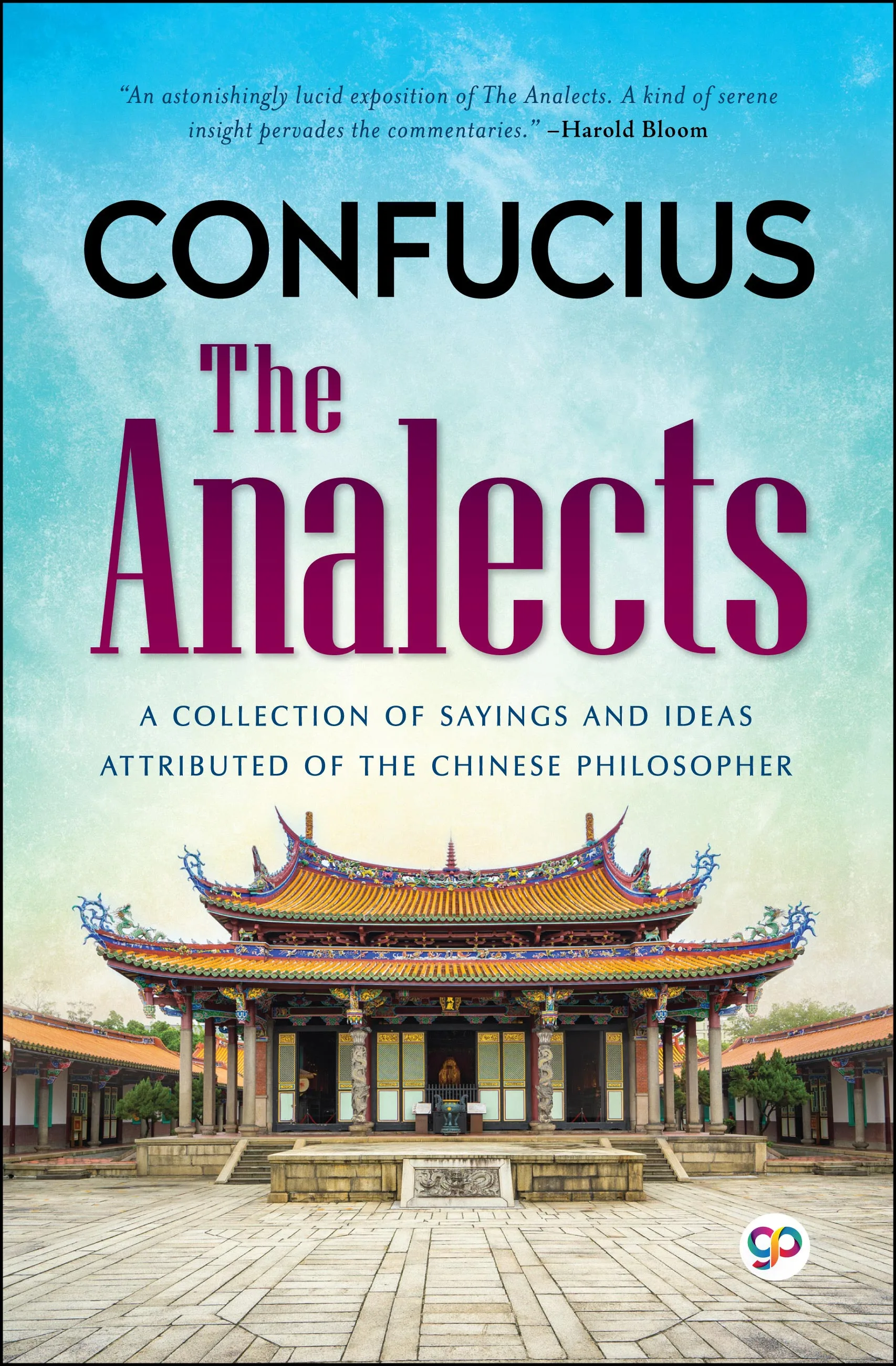
The Analects
eBook
• INR 70.00
• English
• 9789390492671
No ratings yet
| Publisher | General Press |
|---|---|
| ISBN13 | 9789390492671 |
| ASIN/SKU | B08RSN1XBK |
| Book Format | eBook |
| Language | English |
| List Price | INR 70.00 |
| Subject Code | REL018000, PHI003000 |
| Publishing Date | 18/12/2020 |
| Book Code | BD00068771 |
Buy this Book
Amazon Stores
Ebook Stores
Other Stores
Discover The Analects by Confucius. This book is published by General Press in eBook format, ISBN 9789390492671, ASIN B08RSN1XBK, under Non Fiction, Philosophy, Classics.
Book Description
For anyone interested in China—its past, its present, and its future—‘The Analects’ is a must-read. ‘The Analects’ are a collection of Confucius's sayings brought together by his pupils shortly after his death in 497 BC. Together they express a philosophy, or a moral code, by which Confucius believed everyone should live. Upholding the ideals of wisdom, self-knowledge, courage and love of one's fellow man, he argued that the pursuit of virtue should be every individual's supreme goal. And, while following the Way, or the truth, might not result in immediate or material gain, Confucius showed that it could nevertheless bring its own powerful and lasting spiritual rewards.
Author Biography
Confucius (551–479 BCE), known in Chinese as Kong Fuzi or Kongzi, was a Chinese philosopher, teacher, and political thinker whose ideas have shaped the moral, social, and political life of East Asia for more than two thousand years. Although he did not write books in the modern sense, the teachings attributed to him were preserved by his disciples in The Analects, one of the most influential works in world philosophy. His emphasis on ethical conduct, education, respect for others, and responsible leadership continues to inspire scholars, educators, and readers across cultures.
Confucius was born in the state of Lu, in present-day Shandong Province, China, during a period of political unrest known as the Spring and Autumn Period. His family belonged to the lower ranks of the nobility, but after his father's death, they lived in modest circumstances. Despite financial hardship, Confucius developed a deep love for learning, history, poetry, music, and ancient traditions. He believed that knowledge and moral character, rather than wealth or birth, were the true foundations of a meaningful life.
As an adult, Confucius served in several government positions, hoping to promote justice, honesty, and wise governance. Frustrated by widespread corruption and conflict, he eventually left public office and traveled through different Chinese states, offering advice to rulers and teaching anyone eager to learn. His school welcomed students from various social backgrounds, making education more accessible than it had traditionally been. He encouraged lifelong learning, self-discipline, humility, compassion, and the cultivation of virtues such as righteousness, loyalty, sincerity, and filial piety.
After his death, Confucius' followers collected and preserved his teachings in The Analects. Over time, his philosophy became the cornerstone of Chinese education and civil administration, influencing generations of leaders, scholars, and ordinary citizens. His ideas also spread to Korea, Japan, Vietnam, and many other parts of Asia, leaving a profound cultural and intellectual legacy.
Confucius never claimed to possess absolute wisdom; instead, he encouraged thoughtful reflection and continuous self-improvement. His timeless teachings on ethics, harmonious relationships, and good governance remain remarkably relevant in the modern world. Today, Confucius is remembered as one of history's greatest philosophers and educators, whose enduring wisdom continues to guide people in the pursuit of knowledge, virtue, and a balanced, compassionate life.
Confucius was born in the state of Lu, in present-day Shandong Province, China, during a period of political unrest known as the Spring and Autumn Period. His family belonged to the lower ranks of the nobility, but after his father's death, they lived in modest circumstances. Despite financial hardship, Confucius developed a deep love for learning, history, poetry, music, and ancient traditions. He believed that knowledge and moral character, rather than wealth or birth, were the true foundations of a meaningful life.
As an adult, Confucius served in several government positions, hoping to promote justice, honesty, and wise governance. Frustrated by widespread corruption and conflict, he eventually left public office and traveled through different Chinese states, offering advice to rulers and teaching anyone eager to learn. His school welcomed students from various social backgrounds, making education more accessible than it had traditionally been. He encouraged lifelong learning, self-discipline, humility, compassion, and the cultivation of virtues such as righteousness, loyalty, sincerity, and filial piety.
After his death, Confucius' followers collected and preserved his teachings in The Analects. Over time, his philosophy became the cornerstone of Chinese education and civil administration, influencing generations of leaders, scholars, and ordinary citizens. His ideas also spread to Korea, Japan, Vietnam, and many other parts of Asia, leaving a profound cultural and intellectual legacy.
Confucius never claimed to possess absolute wisdom; instead, he encouraged thoughtful reflection and continuous self-improvement. His timeless teachings on ethics, harmonious relationships, and good governance remain remarkably relevant in the modern world. Today, Confucius is remembered as one of history's greatest philosophers and educators, whose enduring wisdom continues to guide people in the pursuit of knowledge, virtue, and a balanced, compassionate life.
Editorial Reviews
Editorial Reviews will be added soon…
Book Summary
Book Summary will be added soon…
Sample Chapters
Sample Chapters will be added soon…
Reader Reviews
No reviews yet.
The Analects