
A Journal of the Plague Year
eBook
• INR 70.00
• English
• 9789391181307
No ratings yet
| Publisher | General Press |
|---|---|
| ISBN13 | 9789391181307 |
| ASIN/SKU | B0973Y25ZC |
| Book Format | eBook |
| Language | English |
| List Price | INR 70.00 |
| Subject Code | FIC004000, FIC052000 |
| Publishing Date | 21/06/2021 |
| Book Code | BD00068782 |
Buy this Book
Amazon Stores
Ebook Stores
Other Stores
Discover A Journal of the Plague Year by Daniel Defoe. This book is published by General Press in eBook format, ISBN 9789391181307, ASIN B0973Y25ZC, under Literature and Fiction, Classics.
Book Description
First published in 1722, ‘A Journal of the Plague Year’ is a fictional account of a man's experiences during the last epidemic of bubonic plague in London in 1665, written by Daniel Defoe—an English writer, journalist, and pamphleteer, who gained enduring fame for his novel Robinson Crusoe. The novel was written sixty years after the plague swept through London; Defoe brings the city to life in all of its hardship and fear. It seems almost a firsthand account, taking readers through the neighborhoods, houses, and streets that have drastically changed with the rising death toll. As the epidemic progresses and the narrator encounters more stories of isolation and horror, Defoe reveals his masterful balance as both a historical and imaginative writer.
‘A Journal of the Plague Year’ will appeal to those with an interest in this dark chapter of English history and is not to be missed by fans and collectors of Defoe's seminal work.
‘A Journal of the Plague Year’ will appeal to those with an interest in this dark chapter of English history and is not to be missed by fans and collectors of Defoe's seminal work.
Author Biography
Daniel Defoe (c. 1660–1731) was an English writer, journalist, merchant, and political thinker who is widely regarded as one of the pioneers of the modern English novel. Best known for his timeless masterpiece Robinson Crusoe, Defoe combined vivid storytelling with careful observation of human nature, creating realistic narratives that captivated readers across generations. His works explored themes of survival, morality, perseverance, commerce, and personal responsibility, securing his place as one of the most influential figures in English literature.
Defoe was born in London around 1660 into the family of James Foe, a prosperous tradesman. Raised in a Protestant household, he received a strong education at a dissenting academy, where he studied languages, history, philosophy, and theology. Although he was expected to enter the ministry, Defoe chose instead to pursue a career in business. He engaged in various commercial ventures, including trading in textiles and other goods. While his business career brought both success and financial setbacks, these experiences gave him valuable insight into economics, politics, and everyday life, enriching the realism of his later writings.
Alongside his commercial activities, Defoe became an active journalist and political commentator. He wrote extensively on issues such as religion, trade, government, and social reform, often expressing bold opinions that sometimes led to imprisonment and public controversy. Despite these challenges, he remained a prolific and influential writer throughout his life.
In 1719, Defoe published Robinson Crusoe, the novel that established his enduring literary reputation. The story of a shipwrecked sailor surviving on a deserted island became an international success and is considered one of the first great English novels. He followed it with other notable works, including Moll Flanders, A Journal of the Plague Year, Captain Singleton, and Roxana. His novels were admired for their realistic detail, memorable characters, and engaging first-person narratives, setting new standards for fiction.
Daniel Defoe passed away in London in 1731, leaving behind an extraordinary body of literary and journalistic work. His innovative storytelling transformed English fiction and inspired countless writers who followed. Today, he is remembered not only as the creator of Robinson Crusoe but also as a visionary author whose imagination, realism, and insight into human resilience continue to resonate with readers around the world.
Defoe was born in London around 1660 into the family of James Foe, a prosperous tradesman. Raised in a Protestant household, he received a strong education at a dissenting academy, where he studied languages, history, philosophy, and theology. Although he was expected to enter the ministry, Defoe chose instead to pursue a career in business. He engaged in various commercial ventures, including trading in textiles and other goods. While his business career brought both success and financial setbacks, these experiences gave him valuable insight into economics, politics, and everyday life, enriching the realism of his later writings.
Alongside his commercial activities, Defoe became an active journalist and political commentator. He wrote extensively on issues such as religion, trade, government, and social reform, often expressing bold opinions that sometimes led to imprisonment and public controversy. Despite these challenges, he remained a prolific and influential writer throughout his life.
In 1719, Defoe published Robinson Crusoe, the novel that established his enduring literary reputation. The story of a shipwrecked sailor surviving on a deserted island became an international success and is considered one of the first great English novels. He followed it with other notable works, including Moll Flanders, A Journal of the Plague Year, Captain Singleton, and Roxana. His novels were admired for their realistic detail, memorable characters, and engaging first-person narratives, setting new standards for fiction.
Daniel Defoe passed away in London in 1731, leaving behind an extraordinary body of literary and journalistic work. His innovative storytelling transformed English fiction and inspired countless writers who followed. Today, he is remembered not only as the creator of Robinson Crusoe but also as a visionary author whose imagination, realism, and insight into human resilience continue to resonate with readers around the world.
Editorial Reviews
Editorial Reviews will be added soon…
Book Summary
Book Summary will be added soon…
Sample Chapters
Sample Chapters will be added soon…
Reader Reviews
No reviews yet.
A Journal of the Plague Year
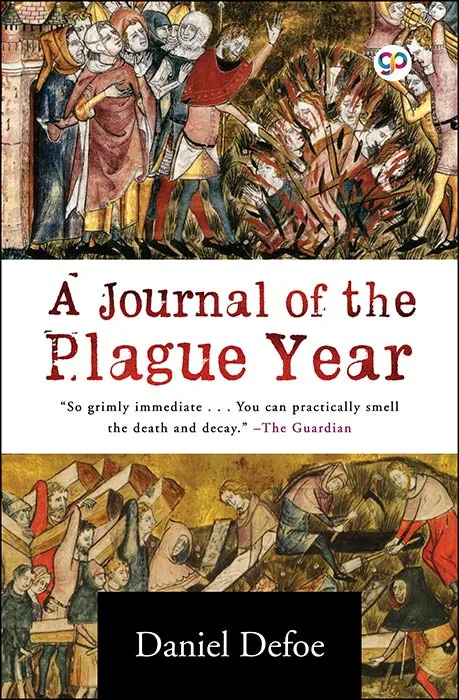
Download Cover Image
Do you want to download the full cover image for A Journal of the Plague Year?