
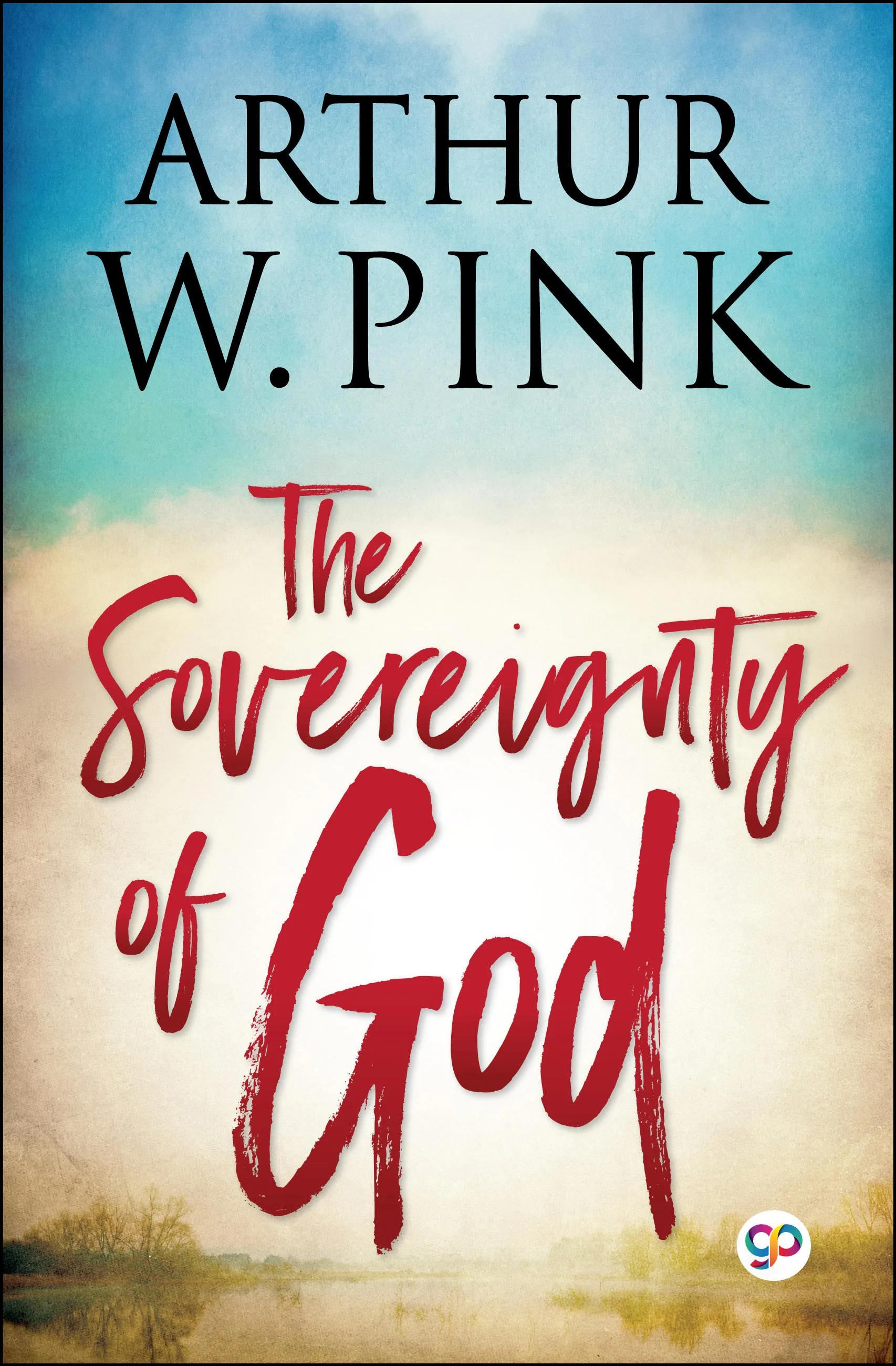
The Sovereignty of God
eBook
• 238 Pages
• INR 70.00
• English
• 9789391181901
No ratings yet
| Publisher | General Press |
|---|---|
| ISBN13 | 9789391181901 |
| ASIN/SKU | B09HM94NV2 |
| Book Format | eBook |
| Language | English |
| Pages | 238 |
| List Price | INR 70.00 |
| Subject Code | REL067110, REL062000, PHI022000, REL012120 |
| Publishing Date | 05/10/2021 |
| Book Code | BD00068815 |
Buy this Book
Amazon Stores
Ebook Stores
Other Stores
Discover The Sovereignty of God by Arthur W. Pink. This book is published by General Press in eBook format, ISBN 9789391181901, ASIN B09HM94NV2, under Christian Books and Bibles, Christianity, Religion.
Book Description
Arthur W. Pink’s ‘The Sovereignty of God’ is a powerful and influential work on the power of God over every aspect of human life, from the smallest specks of dust on earth to the greatest philosophical and spiritual challenges facing mankind. Born in England in 1886, Pink was little known during his own life and struggled with the day-to-day realities of life as a minister. He and his family moved frequently and lived in England, America, and Australia, before finally settling in Scotland, where he spent his time studying Scripture and writing books.
Originally published in 1918, this is one of his earliest works and tackles the issue of what power God has in the lives of man. Pink criticized the modern tendency to relegate God to the background and focus on science or reason as the solution to the evils plaguing the world. Pink insisted that mankind must reaffirm the absolute power and authority of God in every aspect of physical and spiritual life if man is ever to do or be good. One must begin this process by giving one’s free will over to God in everyday life. The faithful will continue to find practical and clear guidance in this timeless classic.
Originally published in 1918, this is one of his earliest works and tackles the issue of what power God has in the lives of man. Pink criticized the modern tendency to relegate God to the background and focus on science or reason as the solution to the evils plaguing the world. Pink insisted that mankind must reaffirm the absolute power and authority of God in every aspect of physical and spiritual life if man is ever to do or be good. One must begin this process by giving one’s free will over to God in everyday life. The faithful will continue to find practical and clear guidance in this timeless classic.
Author Biography
Arthur W. Pink (1886-1952) served as a pastor for churches in Colorado, California, Kentucky, and South Carolina. His ministry brought him throughout the United States, Australia, and Great Britain.
Editorial Reviews
Editorial Reviews will be added soon…
Book Summary
Arthur W. Pink’s The Sovereignty of God is a forceful theological work centered on one great idea: God is completely sovereign over His creation. First published in 1918, the book examines what it means for God to rule over the universe, human history, salvation, and the lives of individuals. Pink writes from a strongly Reformed Christian perspective, and his purpose is not merely to discuss God’s power in an abstract way. He wants readers to understand that God’s sovereignty affects the way Christians think about sin, salvation, prayer, suffering, human responsibility, and faith itself.
Pink begins by establishing what he means by divine sovereignty. To say that God is sovereign means that God is the supreme ruler of everything He has created. Nothing exists outside His ultimate authority, and no event can take place independently of His knowledge and permission. God is not simply one powerful being among many forces competing for control. He is the Creator and King, and everything else is dependent upon Him. Pink considers this truth fundamental to a proper understanding of Christianity.
A major concern of the book is the tendency of human beings to place themselves at the center of reality. People naturally want to believe that they possess complete control over their lives and that their choices determine everything that happens. Pink challenges this assumption. He argues that human beings are creatures, not independent masters of their existence. Their lives, abilities, circumstances, and opportunities ultimately depend upon God.
Pink’s doctrine of sovereignty is closely connected with his understanding of God’s attributes. God is presented as all-powerful, all-knowing, perfectly wise, and completely independent. Because God possesses perfect knowledge and unlimited power, His purposes cannot ultimately be frustrated by human beings or circumstances. Pink therefore sees divine sovereignty not as an isolated doctrine but as something that naturally follows from who God is.
The doctrine becomes particularly important when Pink discusses creation and providence. God did not merely create the universe and then leave it to operate on its own. Pink believes that God continually governs His creation. The changing circumstances of history, the rise and fall of nations, and the experiences of individual people all occur within the larger framework of divine providence. From this perspective, history is not ultimately chaotic. It is moving toward purposes known fully to God, even when those purposes are hidden from human beings.
One of the most challenging subjects in the book is the relationship between God’s sovereignty and human sin. If God is sovereign over everything, readers may naturally ask how human beings can be morally responsible for their actions. Pink does not deny human responsibility. Instead, he argues that divine sovereignty and human responsibility are both taught in Scripture, even though human reason may struggle to explain precisely how they operate together.
For Pink, human beings are genuinely responsible because they act according to their own desires and choices. At the same time, those choices do not place them outside God’s ultimate control. He rejects the idea that human freedom must mean absolute independence from God. Human beings can make real decisions without becoming autonomous rulers of the universe. This distinction allows Pink to maintain both divine sovereignty and human accountability.
The doctrine of salvation receives the greatest emphasis in the book. Pink strongly opposes the idea that salvation ultimately depends upon the independent decision or natural goodness of the sinner. Because humanity is fallen and spiritually unable to save itself, salvation must begin with God. Pink therefore emphasizes election, regeneration, and God’s initiative in bringing sinners to faith.
His treatment of election is one of the most distinctive and controversial parts of the book. Pink argues that God chose certain people for salvation according to His own purpose and grace. This choice is not based on foreseen human merit or goodness. Salvation is therefore presented as an undeserved gift rather than something people can earn or claim as a right.
Pink connects election with the biblical concept of grace. If salvation depended upon human worthiness, he argues, grace would no longer be grace in the fullest sense. Grace means that God saves people who have no claim upon Him. The fact that salvation originates in God is intended to humble human pride and direct all glory toward God rather than toward the individual.
The subject of Christ’s atonement is also discussed within this framework. Pink emphasizes the seriousness of sin and the necessity of Christ’s sacrificial work. Human beings cannot repair their relationship with God through morality, religious effort, or good works. Reconciliation requires divine action. Christ’s death therefore stands at the heart of salvation, demonstrating both the seriousness of sin and the depth of divine mercy.
Pink also addresses prayer. At first glance, divine sovereignty might seem to make prayer unnecessary. If God has already determined His purposes, why should human beings pray? Pink argues that prayer remains essential because God has ordained prayer as one of the means through which His purposes are accomplished. Prayer does not inform God of something He does not know or force Him to abandon His will. Instead, it is part of the relationship between God and His people and part of the means through which God chooses to work.
Another important theme is the comfort that Pink believes sovereignty provides during suffering. Human beings frequently experience events they cannot understand. Illness, loss, disappointment, injustice, and tragedy can make life appear random. Pink argues that belief in divine sovereignty offers a different perspective. Even when people cannot see the reason behind an event, they can trust that God has not lost control. For the believer, suffering therefore exists within the limits of divine wisdom and purpose.
This does not mean that Pink presents suffering as pleasant or insignificant. Rather, he argues that circumstances should not be interpreted as evidence that God has abandoned His people. Divine sovereignty gives suffering a larger context. The believer may not understand the immediate purpose of hardship, but faith means trusting God even when understanding is incomplete.
Pink repeatedly returns to the theme of humility. If God is sovereign and salvation is entirely dependent upon divine grace, there is little room for human boasting. Religious achievement, intelligence, morality, or personal strength cannot give a person grounds for claiming superiority over others. Everything ultimately depends upon God.
The book also challenges the modern tendency to reshape theology according to human preferences. Pink argues that God should not be judged according to what people find emotionally comfortable. Divine sovereignty may raise difficult questions, particularly concerning election and human responsibility, but difficulty does not make a doctrine false. For Pink, Scripture must determine theological belief rather than human intuition.
Ultimately, The Sovereignty of God is a call to recognize God as the rightful center of Christian faith. Its message is that God is not a passive observer of history but the supreme Lord who creates, sustains, governs, judges, and saves. Human beings remain responsible moral agents, but they never become independent of their Creator. Salvation is presented as an act of divine grace from beginning to end, while prayer, obedience, and faith become responses to that grace.
The enduring power of Pink’s book lies in its insistence that faith begins with a proper understanding of who God is. For readers who share Pink’s Reformed theological outlook, divine sovereignty offers humility, confidence, and comfort: humility because salvation cannot be credited to human achievement, confidence because God’s purposes cannot ultimately fail, and comfort because even uncertain circumstances remain within His authority. For readers who disagree with some of Pink’s conclusions, the book still provides a substantial presentation of one of Christianity’s most important theological debates—the relationship between God’s absolute rule and human responsibility.
Pink begins by establishing what he means by divine sovereignty. To say that God is sovereign means that God is the supreme ruler of everything He has created. Nothing exists outside His ultimate authority, and no event can take place independently of His knowledge and permission. God is not simply one powerful being among many forces competing for control. He is the Creator and King, and everything else is dependent upon Him. Pink considers this truth fundamental to a proper understanding of Christianity.
A major concern of the book is the tendency of human beings to place themselves at the center of reality. People naturally want to believe that they possess complete control over their lives and that their choices determine everything that happens. Pink challenges this assumption. He argues that human beings are creatures, not independent masters of their existence. Their lives, abilities, circumstances, and opportunities ultimately depend upon God.
Pink’s doctrine of sovereignty is closely connected with his understanding of God’s attributes. God is presented as all-powerful, all-knowing, perfectly wise, and completely independent. Because God possesses perfect knowledge and unlimited power, His purposes cannot ultimately be frustrated by human beings or circumstances. Pink therefore sees divine sovereignty not as an isolated doctrine but as something that naturally follows from who God is.
The doctrine becomes particularly important when Pink discusses creation and providence. God did not merely create the universe and then leave it to operate on its own. Pink believes that God continually governs His creation. The changing circumstances of history, the rise and fall of nations, and the experiences of individual people all occur within the larger framework of divine providence. From this perspective, history is not ultimately chaotic. It is moving toward purposes known fully to God, even when those purposes are hidden from human beings.
One of the most challenging subjects in the book is the relationship between God’s sovereignty and human sin. If God is sovereign over everything, readers may naturally ask how human beings can be morally responsible for their actions. Pink does not deny human responsibility. Instead, he argues that divine sovereignty and human responsibility are both taught in Scripture, even though human reason may struggle to explain precisely how they operate together.
For Pink, human beings are genuinely responsible because they act according to their own desires and choices. At the same time, those choices do not place them outside God’s ultimate control. He rejects the idea that human freedom must mean absolute independence from God. Human beings can make real decisions without becoming autonomous rulers of the universe. This distinction allows Pink to maintain both divine sovereignty and human accountability.
The doctrine of salvation receives the greatest emphasis in the book. Pink strongly opposes the idea that salvation ultimately depends upon the independent decision or natural goodness of the sinner. Because humanity is fallen and spiritually unable to save itself, salvation must begin with God. Pink therefore emphasizes election, regeneration, and God’s initiative in bringing sinners to faith.
His treatment of election is one of the most distinctive and controversial parts of the book. Pink argues that God chose certain people for salvation according to His own purpose and grace. This choice is not based on foreseen human merit or goodness. Salvation is therefore presented as an undeserved gift rather than something people can earn or claim as a right.
Pink connects election with the biblical concept of grace. If salvation depended upon human worthiness, he argues, grace would no longer be grace in the fullest sense. Grace means that God saves people who have no claim upon Him. The fact that salvation originates in God is intended to humble human pride and direct all glory toward God rather than toward the individual.
The subject of Christ’s atonement is also discussed within this framework. Pink emphasizes the seriousness of sin and the necessity of Christ’s sacrificial work. Human beings cannot repair their relationship with God through morality, religious effort, or good works. Reconciliation requires divine action. Christ’s death therefore stands at the heart of salvation, demonstrating both the seriousness of sin and the depth of divine mercy.
Pink also addresses prayer. At first glance, divine sovereignty might seem to make prayer unnecessary. If God has already determined His purposes, why should human beings pray? Pink argues that prayer remains essential because God has ordained prayer as one of the means through which His purposes are accomplished. Prayer does not inform God of something He does not know or force Him to abandon His will. Instead, it is part of the relationship between God and His people and part of the means through which God chooses to work.
Another important theme is the comfort that Pink believes sovereignty provides during suffering. Human beings frequently experience events they cannot understand. Illness, loss, disappointment, injustice, and tragedy can make life appear random. Pink argues that belief in divine sovereignty offers a different perspective. Even when people cannot see the reason behind an event, they can trust that God has not lost control. For the believer, suffering therefore exists within the limits of divine wisdom and purpose.
This does not mean that Pink presents suffering as pleasant or insignificant. Rather, he argues that circumstances should not be interpreted as evidence that God has abandoned His people. Divine sovereignty gives suffering a larger context. The believer may not understand the immediate purpose of hardship, but faith means trusting God even when understanding is incomplete.
Pink repeatedly returns to the theme of humility. If God is sovereign and salvation is entirely dependent upon divine grace, there is little room for human boasting. Religious achievement, intelligence, morality, or personal strength cannot give a person grounds for claiming superiority over others. Everything ultimately depends upon God.
The book also challenges the modern tendency to reshape theology according to human preferences. Pink argues that God should not be judged according to what people find emotionally comfortable. Divine sovereignty may raise difficult questions, particularly concerning election and human responsibility, but difficulty does not make a doctrine false. For Pink, Scripture must determine theological belief rather than human intuition.
Ultimately, The Sovereignty of God is a call to recognize God as the rightful center of Christian faith. Its message is that God is not a passive observer of history but the supreme Lord who creates, sustains, governs, judges, and saves. Human beings remain responsible moral agents, but they never become independent of their Creator. Salvation is presented as an act of divine grace from beginning to end, while prayer, obedience, and faith become responses to that grace.
The enduring power of Pink’s book lies in its insistence that faith begins with a proper understanding of who God is. For readers who share Pink’s Reformed theological outlook, divine sovereignty offers humility, confidence, and comfort: humility because salvation cannot be credited to human achievement, confidence because God’s purposes cannot ultimately fail, and comfort because even uncertain circumstances remain within His authority. For readers who disagree with some of Pink’s conclusions, the book still provides a substantial presentation of one of Christianity’s most important theological debates—the relationship between God’s absolute rule and human responsibility.
Sample Chapters
Sample Chapters will be added soon…
Reader Reviews
No reviews yet.
The Sovereignty of God
Download Cover Image
Do you want to download the full cover image for The Sovereignty of God?