
Japanese Fairy Tales
eBook
• INR 99.00
• English
• 9789354991257
No ratings yet
| Publisher | General Press |
|---|---|
| ISBN13 | 9789354991257 |
| ASIN/SKU | B0B3QWDZ36 |
| Book Format | eBook |
| Language | English |
| List Price | INR 99.00 |
| Subject Code | YAF017020 |
| Publishing Date | 10/06/2022 |
| Book Code | BD00068849 |
Buy this Book
Amazon Stores
Ebook Stores
Other Stores
Discover Japanese Fairy Tales by Yei Theodora Ozaki. This book is published by General Press in eBook format, ISBN 9789354991257, ASIN B0B3QWDZ36, under Literature and Fiction, Classics.
Book Description
First published in 1908, ‘Japanese Fairy Tales’ is a book of beautiful legends and fairy tales of Japan that were collected, translated and retold by the author, Yei Theodora Ozaki, an early translator of Japanese short stories and fairy tales. Her translations have been very popular, and were reprinted hundreds of times after her death. It is a delightful introduction to the culture of Japan through its traditional children's stories. In part, the project was the result of a suggestion made by her friend Andrew Lang, another collector of fairy stories, who printed his stories in the many Colored Fairy Books.
They feature animals and humans, creatures normal and fantastical, peasants and kings. They contain 22 tales that include ghouls, goblins and ogres, sea serpents and sea kings, kindly animals and magic birds; demons and dragons; princes and princesses. Some are ‘Momotaro’, ‘The Son of a Peach’, ‘The Jellyfish and the Monkey’, ‘The Mirror of Matsuyama’, ‘The Bamboo Cutter and the Moon Child’, ‘The Stones of Five Colors and the Empress Jokwa’.
They feature animals and humans, creatures normal and fantastical, peasants and kings. They contain 22 tales that include ghouls, goblins and ogres, sea serpents and sea kings, kindly animals and magic birds; demons and dragons; princes and princesses. Some are ‘Momotaro’, ‘The Son of a Peach’, ‘The Jellyfish and the Monkey’, ‘The Mirror of Matsuyama’, ‘The Bamboo Cutter and the Moon Child’, ‘The Stones of Five Colors and the Empress Jokwa’.
Author Biography
Yei Theodora Ozaki (1870–1932) was a Japanese-English writer, translator, and folklorist best known for introducing traditional Japanese fairy tales to readers around the world. Through her elegant retellings of ancient legends and folktales, she built a cultural bridge between Japan and the English-speaking world. Her work continues to be cherished for its simplicity, warmth, and respect for the rich storytelling traditions of Japan.
She was born on December 28, 1870, in London, England, to a Japanese father, Baron Ozaki Yukio, and an English mother, Bathia Catherine Morrison. Her parents separated when she was young, and she spent parts of her childhood in both England and Japan. Growing up between two distinct cultures gave her a unique perspective and a deep appreciation for the traditions of both East and West. This bicultural upbringing would later shape her life's work.
Ozaki possessed a remarkable gift for language and storytelling. Fluent in English and deeply familiar with Japanese culture, she recognized that many of Japan's beloved folktales were largely unknown outside her homeland. In 1908, she published Japanese Fairy Tales, a beautifully written collection that retold classic stories such as Momotaro, The Tongue-Cut Sparrow, Urashima Taro, and The Bamboo Cutter. Rather than producing literal translations, she adapted these tales into graceful, readable English while preserving their original spirit, moral lessons, and cultural richness.
Her writings introduced countless Western readers to Japanese folklore at a time when interest in Japanese culture was steadily growing. The collection became an enduring classic, appreciated by both children and adults for its vivid imagination, memorable characters, and timeless themes of kindness, courage, loyalty, and wisdom.
Although Ozaki did not produce a large body of published work, the quality and lasting influence of her storytelling secured her place in literary history. She also translated and interpreted aspects of Japanese culture for international audiences, helping foster greater understanding between different traditions.
Yei Theodora Ozaki died on February 7, 1932. Today, she is remembered as one of the most important interpreters of Japanese folklore in the English language. Her stories continue to enchant readers across generations, preserving the beauty of Japan's oral traditions while celebrating the universal power of storytelling to connect people across cultures.
She was born on December 28, 1870, in London, England, to a Japanese father, Baron Ozaki Yukio, and an English mother, Bathia Catherine Morrison. Her parents separated when she was young, and she spent parts of her childhood in both England and Japan. Growing up between two distinct cultures gave her a unique perspective and a deep appreciation for the traditions of both East and West. This bicultural upbringing would later shape her life's work.
Ozaki possessed a remarkable gift for language and storytelling. Fluent in English and deeply familiar with Japanese culture, she recognized that many of Japan's beloved folktales were largely unknown outside her homeland. In 1908, she published Japanese Fairy Tales, a beautifully written collection that retold classic stories such as Momotaro, The Tongue-Cut Sparrow, Urashima Taro, and The Bamboo Cutter. Rather than producing literal translations, she adapted these tales into graceful, readable English while preserving their original spirit, moral lessons, and cultural richness.
Her writings introduced countless Western readers to Japanese folklore at a time when interest in Japanese culture was steadily growing. The collection became an enduring classic, appreciated by both children and adults for its vivid imagination, memorable characters, and timeless themes of kindness, courage, loyalty, and wisdom.
Although Ozaki did not produce a large body of published work, the quality and lasting influence of her storytelling secured her place in literary history. She also translated and interpreted aspects of Japanese culture for international audiences, helping foster greater understanding between different traditions.
Yei Theodora Ozaki died on February 7, 1932. Today, she is remembered as one of the most important interpreters of Japanese folklore in the English language. Her stories continue to enchant readers across generations, preserving the beauty of Japan's oral traditions while celebrating the universal power of storytelling to connect people across cultures.
Editorial Reviews
Editorial Reviews will be added soon…
Book Summary
Book Summary will be added soon…
Sample Chapters
Sample Chapters will be added soon…
Reader Reviews
No reviews yet.
Japanese Fairy Tales
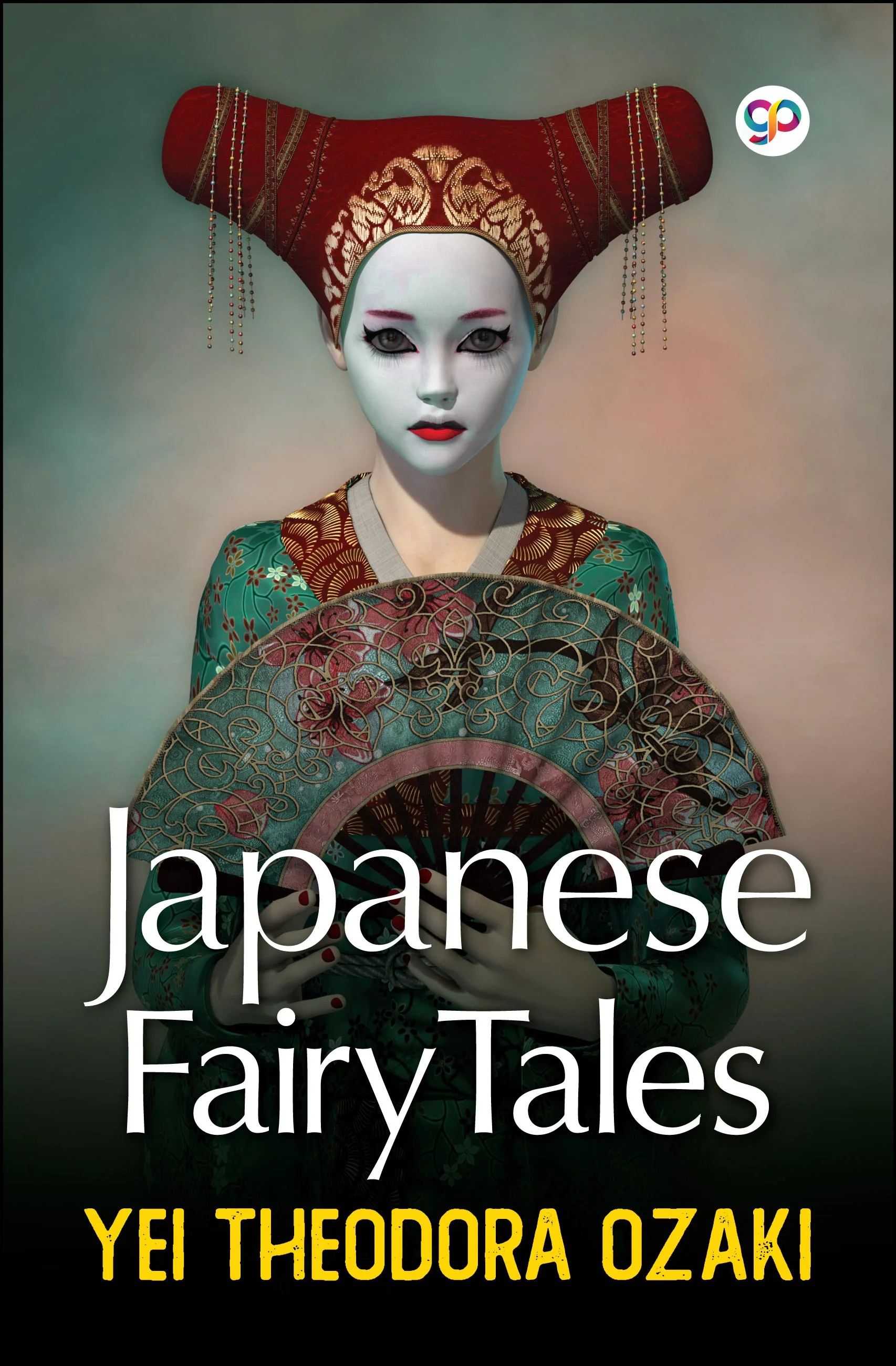
Download Cover Image
Do you want to download the full cover image for Japanese Fairy Tales?