
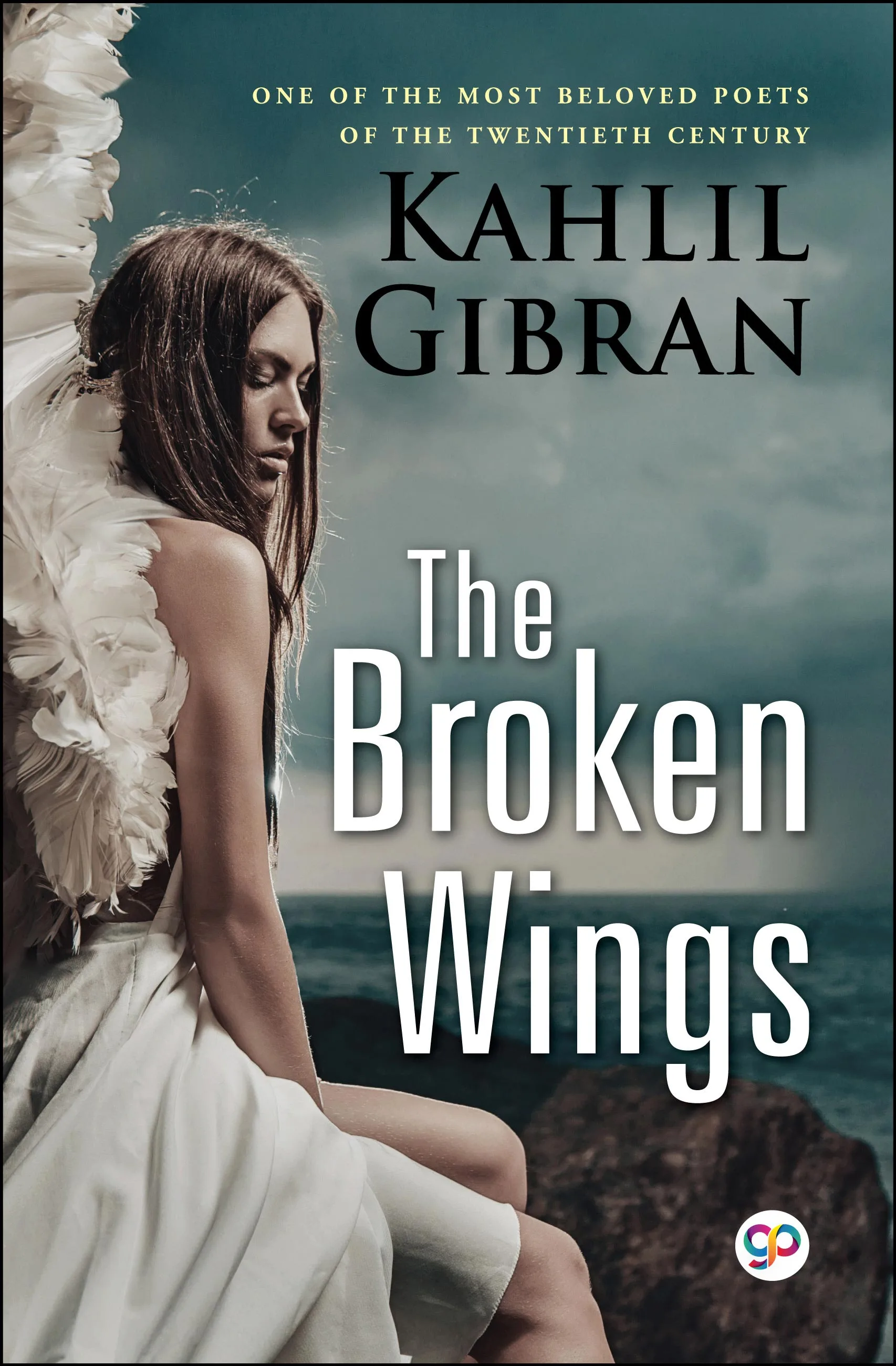
The Broken Wings
eBook
• INR 51.00
• English
• 9789354992445
No ratings yet
| Publisher | General Press |
|---|---|
| ISBN13 | 9789354992445 |
| ASIN/SKU | B0B6G2KQXJ |
| Book Format | eBook |
| Language | English |
| List Price | INR 51.00 |
| Subject Code | FIC004000, FIC029000 |
| Publishing Date | 06/07/2022 |
| Book Code | BD00068891 |
Buy this Book
Amazon Stores
Ebook Stores
Other Stores
Discover The Broken Wings by Kahlil Gibran. This book is published by General Press in eBook format, ISBN 9789354992445, ASIN B0B6G2KQXJ, under Literature and Fiction, Classics.
Book Description
‘The Broken Wings,’ first published in 1912, is a poetic novel written by Kahlil Gibran, a Lebanese-American poet, writer, and artist. Gibran's work covers themes such as justice, religion, science, free will, love, happiness, soul, body, and death. He is widely considered as one of the most profound figures in Arabic poetry and literature during the first half of the twentieth century.
Set in Beirut at the turn of the century, the story is one of the tragic love between a young affianced woman and the protagonist, who are forced to see each other in secret until their meetings are uncovered and their love is made impossible. The story addresses a variety of contemporary problems in the Eastern Mediterranean, including womens’ rights and religious corruption.
Set in Beirut at the turn of the century, the story is one of the tragic love between a young affianced woman and the protagonist, who are forced to see each other in secret until their meetings are uncovered and their love is made impossible. The story addresses a variety of contemporary problems in the Eastern Mediterranean, including womens’ rights and religious corruption.
Author Biography
Born in 1883 in the mountainous village of Bsharri in modern-day Lebanon, then part of the Ottoman Empire, Kahlil Gibran experienced a childhood marked by poverty and a lack of formal education. Seeking a better life, his mother immigrated to the United States in 1895, settling the family in the South End of Boston. It was there that Gibran's innate artistic talents were first recognized by a progressive settlement house, introducing the young immigrant to the local avant-garde art scene and setting him on a lifelong creative path.
To preserve his cultural heritage, Gibran returned to Lebanon in 1898 for several years of formal schooling. He traveled back to Boston in 1902 amidst a series of severe family tragedies, losing a brother, a sister, and his mother to illness in rapid succession. Despite his profound grief, he began to establish himself as both a painter and an Arabic-language writer. His trajectory shifted significantly when he met Mary Haskell, a school headmistress who became his lifelong benefactor, funding his art studies in Paris and heavily editing his later English writings.
Relocating to New York City in 1911, Gibran immersed himself in the local literary community and began to transition from writing exclusively in Arabic to publishing in English. His unique synthesis of Eastern mysticism, romanticism, and Western literary styles culminated in his 1923 masterpiece, The Prophet. This brief but deeply moving collection of poetic essays, exploring universal human themes such as love, joy, sorrow, and work, resonated profoundly with readers. Although it initially received a lukewarm reception from critics, it quickly found massive word-of-mouth success.
Over the following decades, The Prophet achieved phenomenal international popularity, cementing Gibran as one of the best-selling poets in history. He spent his final years continuing to write and paint, though he struggled with declining health and severe alcoholism. Gibran died in New York in 1931 at the age of forty-eight from cirrhosis of the liver and tuberculosis. Fulfilling his final wishes, his remains were returned to his hometown in Lebanon, where he is celebrated as a national hero and an enduring symbol of spiritual and literary bridge-building between the East and West.
To preserve his cultural heritage, Gibran returned to Lebanon in 1898 for several years of formal schooling. He traveled back to Boston in 1902 amidst a series of severe family tragedies, losing a brother, a sister, and his mother to illness in rapid succession. Despite his profound grief, he began to establish himself as both a painter and an Arabic-language writer. His trajectory shifted significantly when he met Mary Haskell, a school headmistress who became his lifelong benefactor, funding his art studies in Paris and heavily editing his later English writings.
Relocating to New York City in 1911, Gibran immersed himself in the local literary community and began to transition from writing exclusively in Arabic to publishing in English. His unique synthesis of Eastern mysticism, romanticism, and Western literary styles culminated in his 1923 masterpiece, The Prophet. This brief but deeply moving collection of poetic essays, exploring universal human themes such as love, joy, sorrow, and work, resonated profoundly with readers. Although it initially received a lukewarm reception from critics, it quickly found massive word-of-mouth success.
Over the following decades, The Prophet achieved phenomenal international popularity, cementing Gibran as one of the best-selling poets in history. He spent his final years continuing to write and paint, though he struggled with declining health and severe alcoholism. Gibran died in New York in 1931 at the age of forty-eight from cirrhosis of the liver and tuberculosis. Fulfilling his final wishes, his remains were returned to his hometown in Lebanon, where he is celebrated as a national hero and an enduring symbol of spiritual and literary bridge-building between the East and West.
Editorial Reviews
Editorial Reviews will be added soon…
Book Summary
Book Summary will be added soon…
Sample Chapters
Sample Chapters will be added soon…
Reader Reviews
No reviews yet.
The Broken Wings
Download Cover Image
Do you want to download the full cover image for The Broken Wings?