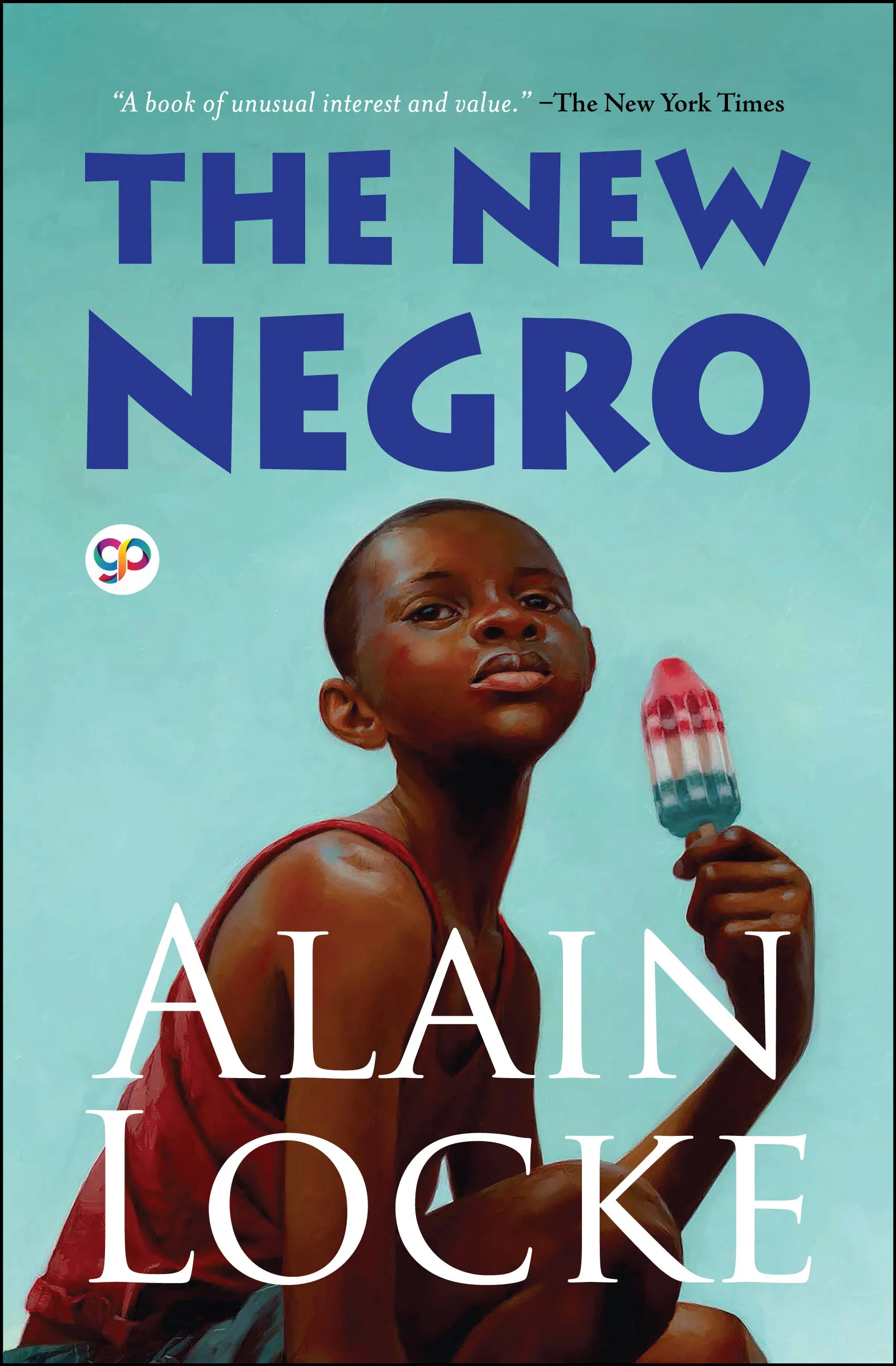
The New Negro
eBook
• INR 99.00
• English
• 9789354993282
No ratings yet
| Publisher | General Press |
|---|---|
| ISBN13 | 9789354993282 |
| ASIN/SKU | B0B6G3SNB9 |
| Book Format | eBook |
| Language | English |
| List Price | INR 99.00 |
| Subject Code | FIC004000, FIC003000 |
| Publishing Date | 06/07/2022 |
| Book Code | BD00068899 |
Buy this Book
Amazon Stores
Ebook Stores
Other Stores
Discover The New Negro by Alain Locke. This book is published by General Press in eBook format, ISBN 9789354993282, ASIN B0B6G3SNB9, under Literature and Fiction, Classics.
Book Description
Originally published in 1925, ‘The New Negro’ is an anthology by Alain Locke. Recognized as a foundational text of the Harlem Renaissance, the collection is organized around Locke’s writing on the function of art in reorganizing the conception of African American life and culture. Through self-understanding, creation, and independence, Locke’s work came to represent a break from an inhumane past, a means toward meaningful change for a people held down for far too long.
Identifying the representation of black Americans in the national imaginary as oppressive in nature, Locke suggests a way forward through his theory, who “wishes to be known for what he is, even in his faults and shortcomings, and scorns a craven and precarious survival at the price of seeming to be what he is not.” Throughout the book, leading artists and intellectuals of the Harlem Renaissance offer their unique visions of who and what they are; voicing their concerns, portraying injustice, and illuminating the black experience, they provide a holistic vision of self-expression in all of its colors and forms.
Identifying the representation of black Americans in the national imaginary as oppressive in nature, Locke suggests a way forward through his theory, who “wishes to be known for what he is, even in his faults and shortcomings, and scorns a craven and precarious survival at the price of seeming to be what he is not.” Throughout the book, leading artists and intellectuals of the Harlem Renaissance offer their unique visions of who and what they are; voicing their concerns, portraying injustice, and illuminating the black experience, they provide a holistic vision of self-expression in all of its colors and forms.
Author Biography
Alain LeRoy Locke (1885–1954) was an American philosopher, educator, writer, and cultural critic whose ideas played a pivotal role in shaping modern African American literature and art. Often called the "Father of the Harlem Renaissance," Locke believed that art and culture could challenge prejudice, inspire social progress, and redefine how African Americans were viewed in the United States. Through his scholarship and mentorship, he encouraged a generation of Black writers, artists, and intellectuals to embrace their heritage with confidence and creativity.
Locke was born in Philadelphia, Pennsylvania, into a family that placed great importance on education and personal achievement. An exceptionally gifted student, he graduated from Harvard University in 1907, becoming the first African American to receive a Rhodes Scholarship. He continued his studies at the University of Oxford and later at the University of Berlin, where he deepened his understanding of philosophy, literature, and cultural history. His education exposed him to diverse intellectual traditions, which later influenced his vision of a more inclusive and culturally enriched society.
For much of his career, Locke taught philosophy at Howard University in Washington, D.C., where he inspired countless students with his thoughtful teaching and broad intellectual interests. Although he wrote extensively on philosophy, ethics, race, and aesthetics, he is best remembered for editing The New Negro in 1925. This groundbreaking anthology brought together essays, poetry, fiction, and artwork from emerging African American voices, helping to define the Harlem Renaissance as a powerful cultural movement. Locke argued that African Americans should reject limiting stereotypes and instead express their experiences through original, meaningful artistic creation.
Beyond literature, Locke was a passionate advocate for the visual arts and believed that artistic excellence could promote mutual understanding across racial and cultural boundaries. He encouraged artists to draw inspiration from both African traditions and contemporary life, creating works that reflected dignity, resilience, and innovation.
Alain Locke passed away in 1954, but his influence continues to resonate in philosophy, education, literature, and the arts. His commitment to intellectual freedom, cultural pride, and creative expression transformed American cultural history. Today, he is remembered as a visionary thinker whose encouragement of diverse voices helped redefine the nation's artistic and literary landscape, leaving a legacy that continues to inspire scholars, artists, and readers around the world.
Locke was born in Philadelphia, Pennsylvania, into a family that placed great importance on education and personal achievement. An exceptionally gifted student, he graduated from Harvard University in 1907, becoming the first African American to receive a Rhodes Scholarship. He continued his studies at the University of Oxford and later at the University of Berlin, where he deepened his understanding of philosophy, literature, and cultural history. His education exposed him to diverse intellectual traditions, which later influenced his vision of a more inclusive and culturally enriched society.
For much of his career, Locke taught philosophy at Howard University in Washington, D.C., where he inspired countless students with his thoughtful teaching and broad intellectual interests. Although he wrote extensively on philosophy, ethics, race, and aesthetics, he is best remembered for editing The New Negro in 1925. This groundbreaking anthology brought together essays, poetry, fiction, and artwork from emerging African American voices, helping to define the Harlem Renaissance as a powerful cultural movement. Locke argued that African Americans should reject limiting stereotypes and instead express their experiences through original, meaningful artistic creation.
Beyond literature, Locke was a passionate advocate for the visual arts and believed that artistic excellence could promote mutual understanding across racial and cultural boundaries. He encouraged artists to draw inspiration from both African traditions and contemporary life, creating works that reflected dignity, resilience, and innovation.
Alain Locke passed away in 1954, but his influence continues to resonate in philosophy, education, literature, and the arts. His commitment to intellectual freedom, cultural pride, and creative expression transformed American cultural history. Today, he is remembered as a visionary thinker whose encouragement of diverse voices helped redefine the nation's artistic and literary landscape, leaving a legacy that continues to inspire scholars, artists, and readers around the world.
Editorial Reviews
Editorial Reviews will be added soon…
Book Summary
Book Summary will be added soon…
Sample Chapters
Sample Chapters will be added soon…
Reader Reviews
No reviews yet.
The New Negro