
The Last of the Mohicans
eBook
• INR 51.00
• English
• 9789354992483
No ratings yet
| Publisher | General Press |
|---|---|
| ISBN13 | 9789354992483 |
| ASIN/SKU | B0B6G4BW6Y |
| Book Format | eBook |
| Language | English |
| List Price | INR 51.00 |
| Subject Code | FIC004000, FIC002000 |
| Publishing Date | 06/07/2022 |
| Book Code | BD00068900 |
Buy this Book
Amazon Stores
Ebook Stores
Other Stores
Discover The Last of the Mohicans by James Fenimore Cooper. This book is published by General Press in eBook format, ISBN 9789354992483, ASIN B0B6G4BW6Y, under Literature and Fiction, Historical Fiction, Action and Adventure.
Book Description
‘The Last of the Mohicans,’ originally published in February 1826, is a historical novel written by James Fenimore Cooper. One of the earliest distinctive American novels, the book is the second of the five-novel series called the ‘Leatherstocking Tales’. Celebrated for almost 150 years as the prototype of the American adventure story, it remains a perennial favorite, an astonishingly complex work to be read on many levels.
Deep in the forests of upper New York State, the brave woodsman Hawkeye (Natty Bumppo) and his loyal Mohican friends Chingachgook and Uncas become embroiled in the bloody battles of the French and Indian War. The abduction of the beautiful Munro sisters by hostile savages, the treachery of the renegade brave Magua, the ambush of innocent settlers, and the thrilling events that lead to the final tragic confrontation between rival war parties create an unforgettable, spine-tingling picture of life on the frontier. It speaks with compassion of racial injustice and prejudice, especially of the dispossession of the Indian.
Deep in the forests of upper New York State, the brave woodsman Hawkeye (Natty Bumppo) and his loyal Mohican friends Chingachgook and Uncas become embroiled in the bloody battles of the French and Indian War. The abduction of the beautiful Munro sisters by hostile savages, the treachery of the renegade brave Magua, the ambush of innocent settlers, and the thrilling events that lead to the final tragic confrontation between rival war parties create an unforgettable, spine-tingling picture of life on the frontier. It speaks with compassion of racial injustice and prejudice, especially of the dispossession of the Indian.
Author Biography
James Fenimore Cooper (1789–1851) was one of the first great American novelists and a pioneer of historical and adventure fiction. His vivid portrayals of the American wilderness, frontier life, and the complex relationships between Native Americans and European settlers helped define a distinct national literature at a time when the United States was still shaping its cultural identity. Best known for The Leatherstocking Tales, Cooper created enduring characters and stories that continue to influence writers, historians, and readers around the world.
Born on September 15, 1789, in Burlington, New Jersey, Cooper spent much of his childhood in Cooperstown, New York, a frontier settlement founded by his father, Judge William Cooper. Surrounded by forests, lakes, and wildlife, he developed a lifelong appreciation for nature and the outdoors. He briefly attended Yale College but left before graduating. He later served as a midshipman in the United States Navy, an experience that inspired his deep interest in maritime life and provided material for many of his sea novels.
Cooper began writing almost by chance after remarking that he could produce a better novel than the one he was reading. His first book, Precaution (1820), received modest attention, but his second novel, The Spy (1821), brought him immediate fame. He achieved lasting recognition with The Leatherstocking Tales, a series that includes The Pioneers, The Last of the Mohicans, The Prairie, The Pathfinder, and The Deerslayer. These novels feature the legendary frontiersman Natty Bumppo and explore themes of courage, justice, wilderness, cultural conflict, and the rapid transformation of the American frontier.
Beyond his frontier adventures, Cooper wrote numerous sea stories, historical novels, travel books, and political essays. His works often reflected his concern for conservation, national identity, and the moral responsibilities of individuals within a changing society. While some aspects of his portrayal of Native Americans reflect the limitations of his era, his writing also showed an unusual respect for Indigenous cultures compared with many of his contemporaries.
James Fenimore Cooper passed away on September 14, 1851, in Cooperstown, New York, just one day before his sixty-second birthday. Today, he is remembered as a founding figure of American literature whose adventurous storytelling and richly imagined landscapes helped establish the American novel as a respected literary form. His works remain enduring classics that continue to inspire readers with their spirit of exploration, heroism, and love of nature.
Born on September 15, 1789, in Burlington, New Jersey, Cooper spent much of his childhood in Cooperstown, New York, a frontier settlement founded by his father, Judge William Cooper. Surrounded by forests, lakes, and wildlife, he developed a lifelong appreciation for nature and the outdoors. He briefly attended Yale College but left before graduating. He later served as a midshipman in the United States Navy, an experience that inspired his deep interest in maritime life and provided material for many of his sea novels.
Cooper began writing almost by chance after remarking that he could produce a better novel than the one he was reading. His first book, Precaution (1820), received modest attention, but his second novel, The Spy (1821), brought him immediate fame. He achieved lasting recognition with The Leatherstocking Tales, a series that includes The Pioneers, The Last of the Mohicans, The Prairie, The Pathfinder, and The Deerslayer. These novels feature the legendary frontiersman Natty Bumppo and explore themes of courage, justice, wilderness, cultural conflict, and the rapid transformation of the American frontier.
Beyond his frontier adventures, Cooper wrote numerous sea stories, historical novels, travel books, and political essays. His works often reflected his concern for conservation, national identity, and the moral responsibilities of individuals within a changing society. While some aspects of his portrayal of Native Americans reflect the limitations of his era, his writing also showed an unusual respect for Indigenous cultures compared with many of his contemporaries.
James Fenimore Cooper passed away on September 14, 1851, in Cooperstown, New York, just one day before his sixty-second birthday. Today, he is remembered as a founding figure of American literature whose adventurous storytelling and richly imagined landscapes helped establish the American novel as a respected literary form. His works remain enduring classics that continue to inspire readers with their spirit of exploration, heroism, and love of nature.
Editorial Reviews
Editorial Reviews will be added soon…
Book Summary
Book Summary will be added soon…
Sample Chapters
Sample Chapters will be added soon…
Reader Reviews
No reviews yet.
The Last of the Mohicans
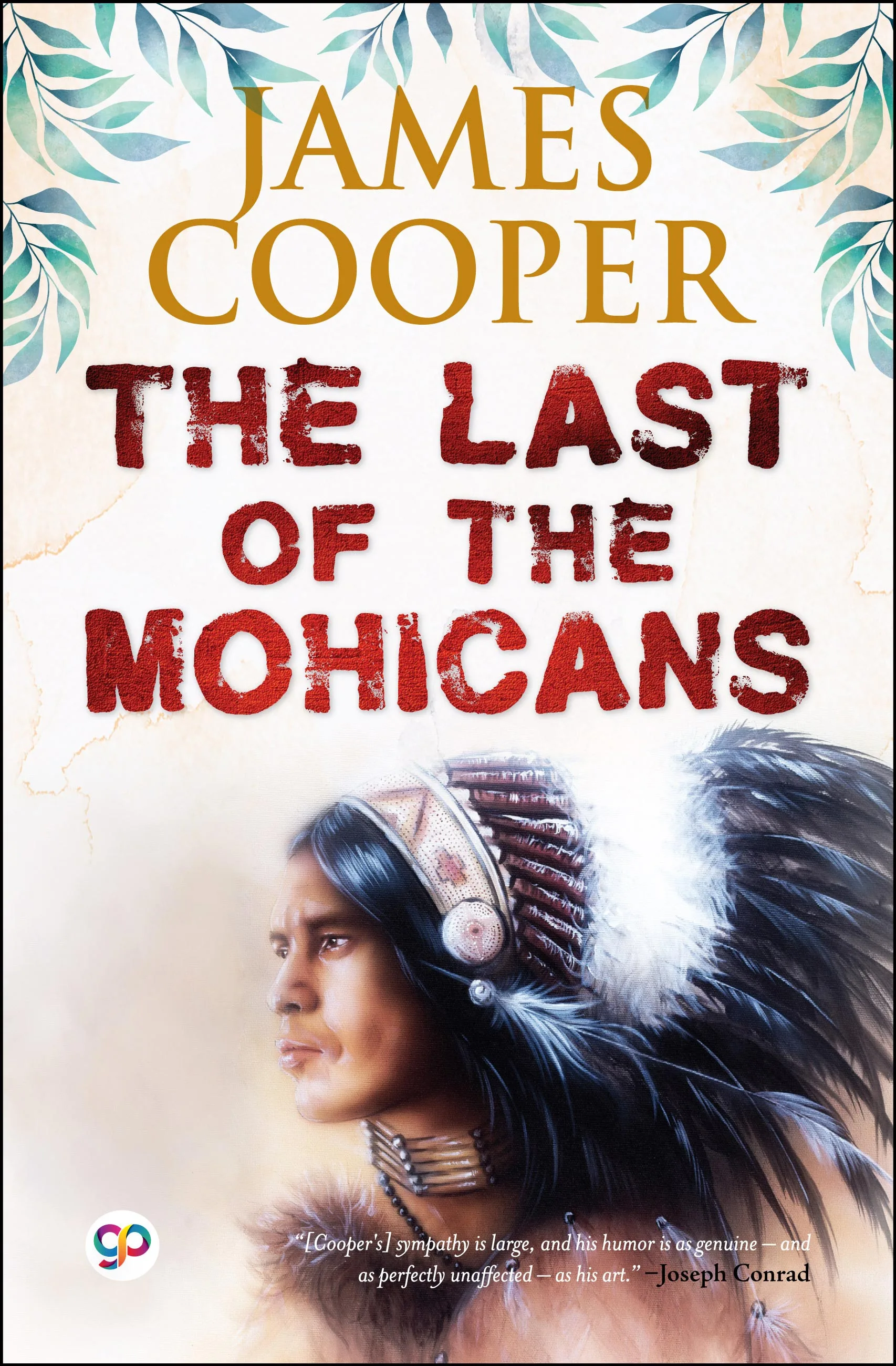
Download Cover Image
Do you want to download the full cover image for The Last of the Mohicans?