
Southern Horrors: Lynch Law in All Its Phases
eBook
• INR 99.00
• English
• 9789354993138
No ratings yet
| Publisher | General Press |
|---|---|
| ISBN13 | 9789354993138 |
| ASIN/SKU | B0B6G74NCF |
| Book Format | eBook |
| Language | English |
| List Price | INR 99.00 |
| Subject Code | POL004000, SOC004000 |
| Publishing Date | 06/07/2022 |
| Book Code | BD00068907 |
Buy this Book
Amazon Stores
Ebook Stores
Other Stores
Discover Southern Horrors: Lynch Law in All Its Phases by Ida B. Wells-Barnett. This book is published by General Press in eBook format, ISBN 9789354993138, ASIN B0B6G74NCF, under History, Nonfiction, History of America.
Book Description
Originally published in 1892, ‘Southern Horrors: Lynch Law in All Its Phases’ is a pamphlet written by Ida Bell Wells-Barnett, an African-American socialist who documented lynching in the United States, which is the practice of killing people by extrajudicial mob action.
This pamphlet is a research on lynching against the black people, by white race after Civil War period. The author protest three excuses of lynching with valid reasons; Black race planned many riots and whites resisted it; Negros alleged domination over whites in government power; Any relationship between a white woman and a negro man was considered as rape. She also explained the insecurities and greed of whites against Negros commercial establishments resulted in lynching.
The book details the outlandish nature of the crimes against the men and women identified. This glimpse into history is graphic in that readers are easily able to recognize shortcomings in the laws and in the thinking patterns of many people at the time period spoken of.
This pamphlet is a research on lynching against the black people, by white race after Civil War period. The author protest three excuses of lynching with valid reasons; Black race planned many riots and whites resisted it; Negros alleged domination over whites in government power; Any relationship between a white woman and a negro man was considered as rape. She also explained the insecurities and greed of whites against Negros commercial establishments resulted in lynching.
The book details the outlandish nature of the crimes against the men and women identified. This glimpse into history is graphic in that readers are easily able to recognize shortcomings in the laws and in the thinking patterns of many people at the time period spoken of.
Author Biography
Ida B. Wells-Barnett (1862–1931) was an American journalist, educator, civil rights leader, and pioneering investigative reporter whose fearless campaign against racial injustice made her one of the most influential reformers of her time. Through her powerful writing, public speaking, and tireless activism, she exposed the brutal reality of lynching in the United States and became a leading voice for equal rights, justice, and the dignity of all people.
Born as Ida Bell Wells on July 16, 1862, in Holly Springs, Mississippi, she entered the world just months before the Emancipation Proclamation. Her parents, who had been enslaved before the American Civil War, deeply valued education and encouraged their children to pursue learning. Tragedy struck when both parents died during a yellow fever epidemic in 1878, leaving sixteen-year-old Ida responsible for raising her younger siblings. Determined to keep her family together, she became a teacher while continuing her own education.
Wells soon turned to journalism, believing that the written word could challenge injustice and inspire change. After moving to Memphis, Tennessee, she wrote articles exposing racial discrimination, particularly in education and public transportation. In 1892, the lynching of three close friends profoundly changed the course of her life. She launched an extensive investigation into the causes of lynching, gathering evidence that disproved the false claims often used to justify these horrific acts. Her courageous publications, including Southern Horrors and The Red Record, brought international attention to racial violence in America and established her as one of the first investigative journalists in the United States.
After marrying lawyer and newspaper editor Ferdinand L. Barnett in 1895, she became known as Ida B. Wells-Barnett. Together they continued advocating for civil rights through journalism and community leadership. She also played an important role in the women's suffrage movement, co-founded organizations that supported African American advancement, and was among the founding members of the National Association for the Advancement of Colored People (NAACP), though she later pursued her activism independently when necessary.
Ida B. Wells-Barnett passed away on March 25, 1931, but her influence has only grown with time. Today, she is remembered as a courageous truth-seeker whose investigative reporting, moral conviction, and unwavering commitment to justice helped shape the modern civil rights movement. Her legacy continues to inspire journalists, activists, and readers around the world to confront injustice with courage, evidence, and compassion.
Born as Ida Bell Wells on July 16, 1862, in Holly Springs, Mississippi, she entered the world just months before the Emancipation Proclamation. Her parents, who had been enslaved before the American Civil War, deeply valued education and encouraged their children to pursue learning. Tragedy struck when both parents died during a yellow fever epidemic in 1878, leaving sixteen-year-old Ida responsible for raising her younger siblings. Determined to keep her family together, she became a teacher while continuing her own education.
Wells soon turned to journalism, believing that the written word could challenge injustice and inspire change. After moving to Memphis, Tennessee, she wrote articles exposing racial discrimination, particularly in education and public transportation. In 1892, the lynching of three close friends profoundly changed the course of her life. She launched an extensive investigation into the causes of lynching, gathering evidence that disproved the false claims often used to justify these horrific acts. Her courageous publications, including Southern Horrors and The Red Record, brought international attention to racial violence in America and established her as one of the first investigative journalists in the United States.
After marrying lawyer and newspaper editor Ferdinand L. Barnett in 1895, she became known as Ida B. Wells-Barnett. Together they continued advocating for civil rights through journalism and community leadership. She also played an important role in the women's suffrage movement, co-founded organizations that supported African American advancement, and was among the founding members of the National Association for the Advancement of Colored People (NAACP), though she later pursued her activism independently when necessary.
Ida B. Wells-Barnett passed away on March 25, 1931, but her influence has only grown with time. Today, she is remembered as a courageous truth-seeker whose investigative reporting, moral conviction, and unwavering commitment to justice helped shape the modern civil rights movement. Her legacy continues to inspire journalists, activists, and readers around the world to confront injustice with courage, evidence, and compassion.
Editorial Reviews
Editorial Reviews will be added soon…
Book Summary
Book Summary will be added soon…
Sample Chapters
Sample Chapters will be added soon…
Reader Reviews
No reviews yet.
Southern Horrors: Lynch Law in All Its Phases
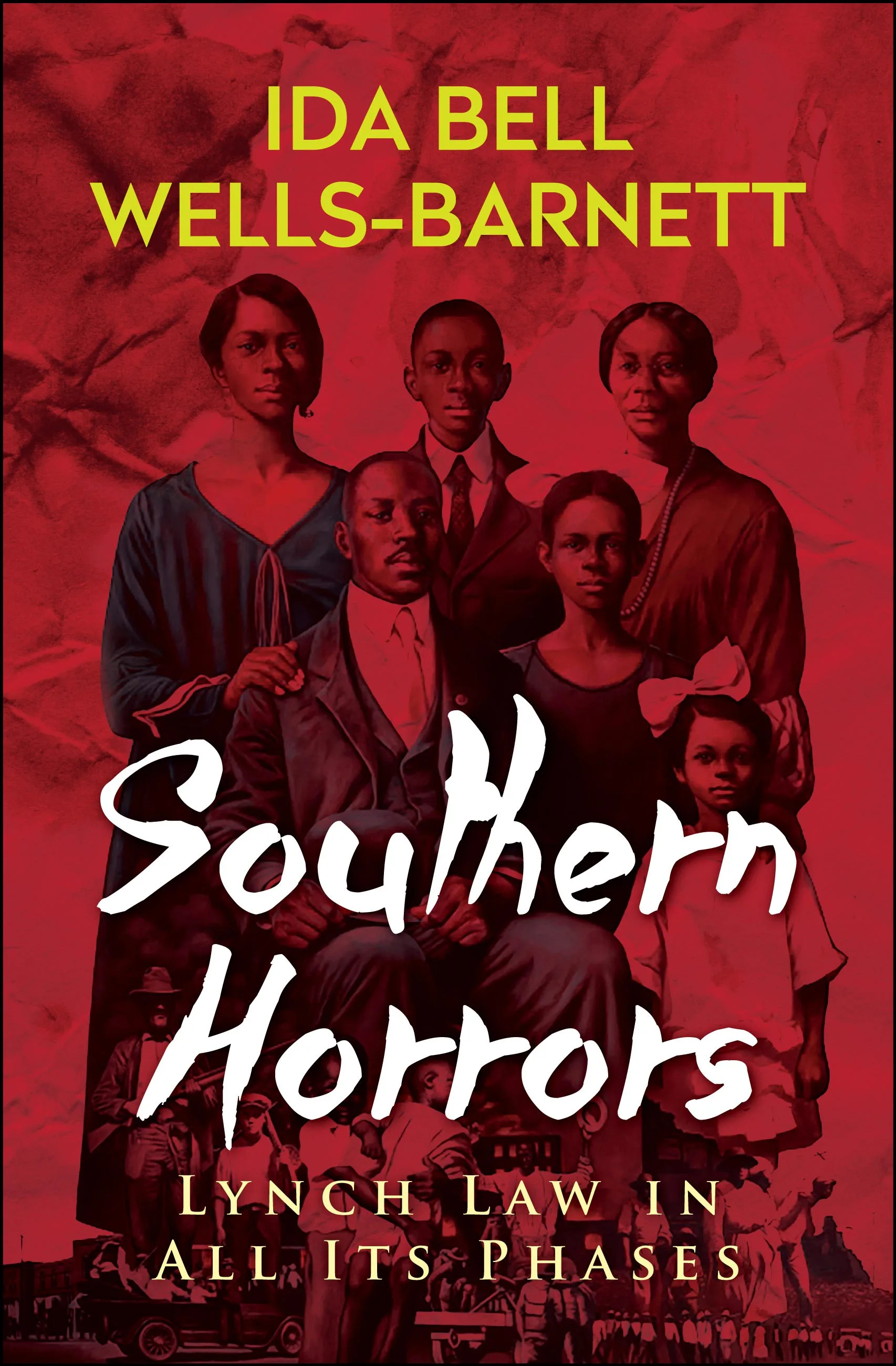
Download Cover Image
Do you want to download the full cover image for Southern Horrors: Lynch Law in All Its Phases?