
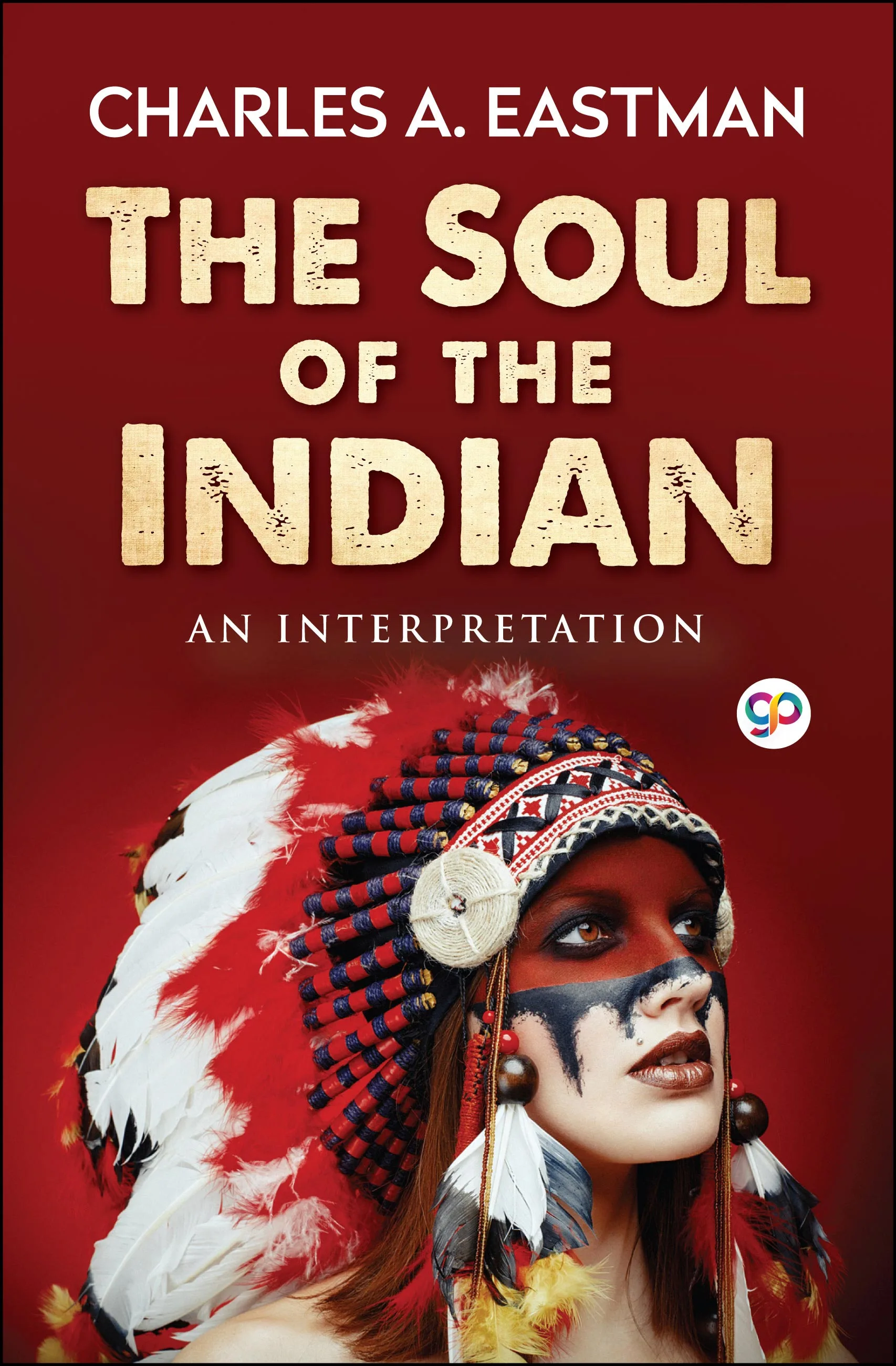
The Soul of the Indian: An Interpretation
eBook
• INR 99.00
• English
• 9789354993060
No ratings yet
| Publisher | General Press |
|---|---|
| ISBN13 | 9789354993060 |
| ASIN/SKU | B0B9RBY7Y8 |
| Book Format | eBook |
| Language | English |
| List Price | INR 99.00 |
| Subject Code | SOC062000, REL077000 |
| Publishing Date | 01/09/2022 |
| Book Code | BD00068911 |
Buy this Book
Amazon Stores
Ebook Stores
Other Stores
Discover The Soul of the Indian: An Interpretation by Charles Alexander Eastman. This book is published by General Press in eBook format, ISBN 9789354993060, ASIN B0B9RBY7Y8, under Non Fiction, History, Philosophy.
Book Description
First published in 1911, ‘The Soul of the Indian: An Interpretation’ was written by Charles Alexander Eastman, a physician, writer, and social reformer. The text represents Eastman's attempt to examine and explain Native American history and spirituality as it was before European settlement.
Eastman was of Santee Dakota, English, and French ancestry. After working as a physician on reservations in South Dakota, he became increasingly enthusiastic about politics and issues on Native American Rights, he worked to improve the lives of youths and founded thirty-two Native American chapters of the Young Men's Christian Association.
He also helped found the Boy Scouts of America. He is considered the first Native American author to write American history from the Native American point of view. He was ‘one of the most prolific authors and speakers on Sioux ethnohistory and American Indian affairs’ in the early 20th century.
Eastman was of Santee Dakota, English, and French ancestry. After working as a physician on reservations in South Dakota, he became increasingly enthusiastic about politics and issues on Native American Rights, he worked to improve the lives of youths and founded thirty-two Native American chapters of the Young Men's Christian Association.
He also helped found the Boy Scouts of America. He is considered the first Native American author to write American history from the Native American point of view. He was ‘one of the most prolific authors and speakers on Sioux ethnohistory and American Indian affairs’ in the early 20th century.
Author Biography
Charles Alexander Eastman (1858–1939), also known by his Dakota name Ohíye S’a ("The Winner"), was a Native American physician, author, educator, lecturer, and social reformer whose life bridged two worlds during a period of profound change in American history. As one of the first Native Americans to earn a medical degree in the United States, Eastman devoted his life to improving healthcare, promoting education, and fostering understanding between Native American traditions and mainstream American society. Through his writings and public service, he became one of the most influential Indigenous voices of his generation.
Eastman was born in 1858 near Redwood Falls, Minnesota, into the Eastern Dakota (Santee Sioux) community. His early childhood was shaped by the Dakota way of life and the guidance of his grandmother after the U.S.–Dakota War of 1862 separated him from parts of his family. For many years, he believed that his father had died during the conflict. When they were later reunited, his father encouraged him to pursue a Western education while remaining proud of his Native heritage. This dual perspective would shape Eastman's lifelong mission.
Determined to serve others, Eastman attended Beloit College before studying medicine at Boston University, where he earned his medical degree in 1890. Soon afterward, he became the physician at the Pine Ridge Reservation in South Dakota. There, he cared for Native American families under extremely difficult conditions and witnessed the aftermath of the tragic Wounded Knee Massacre in 1890. These experiences deepened his commitment to justice, healthcare, and cultural understanding.
Alongside his medical career, Eastman became a gifted writer and lecturer. His books, including Indian Boyhood, The Soul of the Indian, Old Indian Days, and From the Deep Woods to Civilization, offered readers an authentic and deeply personal account of Native American history, spirituality, traditions, and values. Rather than portraying Indigenous cultures through stereotypes, he highlighted their wisdom, dignity, and close relationship with nature. His writings helped broaden public understanding of Native American life and remain important works in American literature.
Charles Alexander Eastman spent his later years advocating for Native American rights, youth education, and outdoor ethics. He passed away in 1939, leaving behind a remarkable legacy of compassion, resilience, and cultural leadership. Today, he is remembered as a pioneering physician, respected author, and powerful advocate who worked tirelessly to build mutual respect and understanding between cultures while preserving the rich heritage of the Dakota people.
Eastman was born in 1858 near Redwood Falls, Minnesota, into the Eastern Dakota (Santee Sioux) community. His early childhood was shaped by the Dakota way of life and the guidance of his grandmother after the U.S.–Dakota War of 1862 separated him from parts of his family. For many years, he believed that his father had died during the conflict. When they were later reunited, his father encouraged him to pursue a Western education while remaining proud of his Native heritage. This dual perspective would shape Eastman's lifelong mission.
Determined to serve others, Eastman attended Beloit College before studying medicine at Boston University, where he earned his medical degree in 1890. Soon afterward, he became the physician at the Pine Ridge Reservation in South Dakota. There, he cared for Native American families under extremely difficult conditions and witnessed the aftermath of the tragic Wounded Knee Massacre in 1890. These experiences deepened his commitment to justice, healthcare, and cultural understanding.
Alongside his medical career, Eastman became a gifted writer and lecturer. His books, including Indian Boyhood, The Soul of the Indian, Old Indian Days, and From the Deep Woods to Civilization, offered readers an authentic and deeply personal account of Native American history, spirituality, traditions, and values. Rather than portraying Indigenous cultures through stereotypes, he highlighted their wisdom, dignity, and close relationship with nature. His writings helped broaden public understanding of Native American life and remain important works in American literature.
Charles Alexander Eastman spent his later years advocating for Native American rights, youth education, and outdoor ethics. He passed away in 1939, leaving behind a remarkable legacy of compassion, resilience, and cultural leadership. Today, he is remembered as a pioneering physician, respected author, and powerful advocate who worked tirelessly to build mutual respect and understanding between cultures while preserving the rich heritage of the Dakota people.
Editorial Reviews
Editorial Reviews will be added soon…
Book Summary
Book Summary will be added soon…
Sample Chapters
Sample Chapters will be added soon…
Reader Reviews
No reviews yet.
The Soul of the Indian: An Interpretation
Download Cover Image
Do you want to download the full cover image for The Soul of the Indian: An Interpretation?