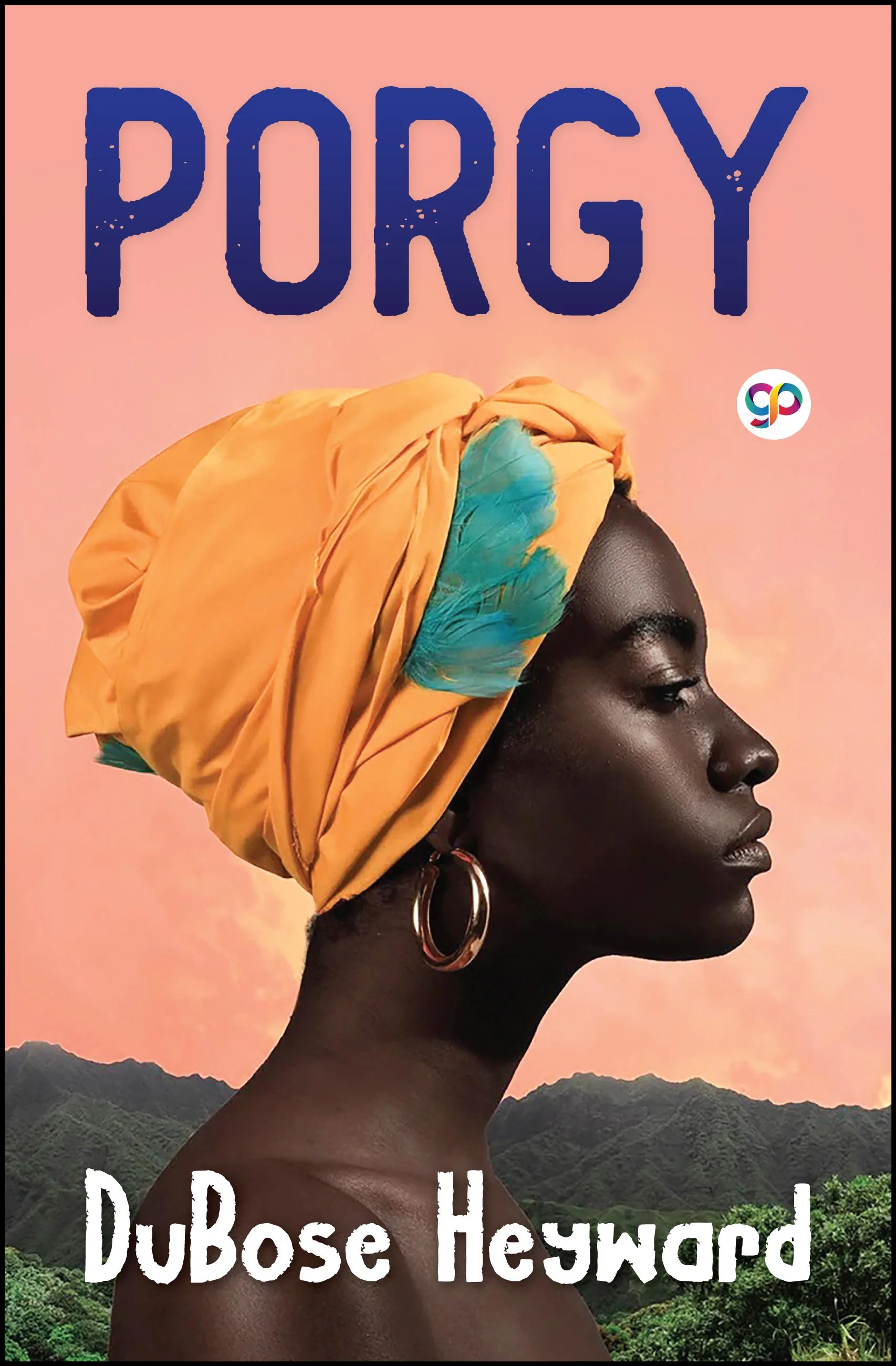
Porgy
eBook
• INR 99.00
• English
• 9789354995699
No ratings yet
| Publisher | General Press |
|---|---|
| ISBN13 | 9789354995699 |
| ASIN/SKU | B0BWDTCM57 |
| Book Format | eBook |
| Language | English |
| List Price | INR 99.00 |
| Subject Code | FIC002000 |
| Publishing Date | 01/03/2023 |
| Book Code | BD00068990 |
Buy this Book
Amazon Stores
Ebook Stores
Other Stores
Discover Porgy by DuBose Heyward. This book is published by General Press in eBook format, ISBN 9789354995699, ASIN B0BWDTCM57, under Literature and Fiction, American Literature, Historical Fiction.
Book Description
Heyward was a versatile artist equally at ease with verse, short fiction, novels, plays, and Hollywood screenwriting. He and his wife Dorothy helped to energize the nascent black theater movement in New York.
The novel tells the story of Porgy, a crippled street beggar living in the black tenements of Charleston, South Carolina, in the 1920s. We follow him as he woos Bess and for one shining moment becomes all that he has ever imagined himself capable of being before losing everything. Gripping and sympathetic a glimpse into Charleston’s past. Adapted in George Gershwin's masterpiece Porgy and Bess.
With his white eyes, wonderful, poetic qualities in the inhabitants of Catfish Row make them come alive. —Langston Hughes
The first major southern novel to portray blacks without condescension —James M. Hutchisson
The novel tells the story of Porgy, a crippled street beggar living in the black tenements of Charleston, South Carolina, in the 1920s. We follow him as he woos Bess and for one shining moment becomes all that he has ever imagined himself capable of being before losing everything. Gripping and sympathetic a glimpse into Charleston’s past. Adapted in George Gershwin's masterpiece Porgy and Bess.
With his white eyes, wonderful, poetic qualities in the inhabitants of Catfish Row make them come alive. —Langston Hughes
The first major southern novel to portray blacks without condescension —James M. Hutchisson
Author Biography
Edwin DuBose Heyward (1885–1940) was an American novelist, playwright, poet, and librettist whose writings vividly portrayed the culture, traditions, and social realities of the American South. Best known for his novel Porgy, which later inspired the celebrated opera Porgy and Bess, Heyward earned recognition for his compassionate storytelling, memorable characters, and sensitive depiction of everyday life in Charleston, South Carolina. His work remains an important part of American literature, offering insight into the region's complex history and diverse communities.
Heyward was born on August 31, 1885, in Charleston, South Carolina, into a once-prominent family that had fallen on difficult financial times. His father died when he was young, leaving the family to face economic hardship. As a result, Heyward left school during his teenage years to help support his family by working in a variety of jobs, including as a dockworker and insurance clerk. Despite limited formal education, he developed a deep love for reading and writing, educating himself through literature and careful observation of the people and places around him.
His literary career gained momentum with the publication of Porgy in 1925. Set in the African American community of Charleston, the novel tells the story of a disabled beggar and the people whose lives intertwine with his. The book was praised for its vivid atmosphere and emotional depth. Heyward later adapted the novel into a stage play with his wife, Dorothy Heyward, and collaborated with composer George Gershwin and lyricist Ira Gershwin on the opera Porgy and Bess, which premiered in 1935 and became one of the most influential works in American musical history.
In addition to Porgy, Heyward wrote several novels, including Mamba's Daughters, Peter Ashley, and Star Spangled Virgin. His works frequently explored themes of resilience, community, dignity, and the changing social landscape of the South. While some aspects of his portrayals have been reexamined and debated by modern scholars, his commitment to creating complex and sympathetic characters remains widely appreciated.
DuBose Heyward passed away in 1940, leaving behind a literary legacy that continues to inspire readers, performers, and scholars. His storytelling, rooted in humanity and regional authenticity, helped bring Southern life and culture to a broader audience. Today, he is remembered as a gifted writer whose contributions to American literature and musical theatre continue to resonate across generations.
Heyward was born on August 31, 1885, in Charleston, South Carolina, into a once-prominent family that had fallen on difficult financial times. His father died when he was young, leaving the family to face economic hardship. As a result, Heyward left school during his teenage years to help support his family by working in a variety of jobs, including as a dockworker and insurance clerk. Despite limited formal education, he developed a deep love for reading and writing, educating himself through literature and careful observation of the people and places around him.
His literary career gained momentum with the publication of Porgy in 1925. Set in the African American community of Charleston, the novel tells the story of a disabled beggar and the people whose lives intertwine with his. The book was praised for its vivid atmosphere and emotional depth. Heyward later adapted the novel into a stage play with his wife, Dorothy Heyward, and collaborated with composer George Gershwin and lyricist Ira Gershwin on the opera Porgy and Bess, which premiered in 1935 and became one of the most influential works in American musical history.
In addition to Porgy, Heyward wrote several novels, including Mamba's Daughters, Peter Ashley, and Star Spangled Virgin. His works frequently explored themes of resilience, community, dignity, and the changing social landscape of the South. While some aspects of his portrayals have been reexamined and debated by modern scholars, his commitment to creating complex and sympathetic characters remains widely appreciated.
DuBose Heyward passed away in 1940, leaving behind a literary legacy that continues to inspire readers, performers, and scholars. His storytelling, rooted in humanity and regional authenticity, helped bring Southern life and culture to a broader audience. Today, he is remembered as a gifted writer whose contributions to American literature and musical theatre continue to resonate across generations.
Editorial Reviews
Editorial Reviews will be added soon…
Book Summary
Book Summary will be added soon…
Sample Chapters
Sample Chapters will be added soon…
Reader Reviews
No reviews yet.
Porgy