
Waiting for a Visa
eBook
• INR 51.00
• English
• 9789354994265
No ratings yet
| Publisher | General Press |
|---|---|
| ISBN13 | 9789354994265 |
| ASIN/SKU | B0BBRJWF66 |
| Book Format | eBook |
| Language | English |
| List Price | INR 51.00 |
| Subject Code | JNF052040, BIO032000 |
| Publishing Date | 05/09/2022 |
| Book Code | BD00069022 |
Buy this Book
Amazon Stores
Ebook Stores
Other Stores
Discover Waiting for a Visa by Dr. B.R. Ambedkar. This book is published by General Press in eBook format, ISBN 9789354994265, ASIN B0BBRJWF66, under Politics and Social Sciences, Nonfiction.
Book Description
First published in 1990, ‘Waiting for a Visa’ is an autobiographical life story by B.R. Ambedkar, a very renowned political leader, distinguished jurist, Buddhist activist, philosopher, anthropologist, historian, orator, writer, economist, scholar, and editor. It consists of some of the reminiscences drawn by Dr. Ambedkar in his own handwriting. Ambedkar related his experiences with untouchability, in his own handwriting.
Dr. Ambedkar fought to eliminate social evildoings like untouchability and for the rights of the Dalits and other socially backward classes throughout his life. Dr. Ambedkar was appointed as India's first Law Minister in the Cabinet of Jawaharlal Nehru. He was posthumously awarded the Bharat Ratna, India's highest civilian honor in 1990.
Dr. Ambedkar fought to eliminate social evildoings like untouchability and for the rights of the Dalits and other socially backward classes throughout his life. Dr. Ambedkar was appointed as India's first Law Minister in the Cabinet of Jawaharlal Nehru. He was posthumously awarded the Bharat Ratna, India's highest civilian honor in 1990.
Author Biography
Dr. Bhimrao Ramji Ambedkar (1891–1956) was a towering Indian jurist, economist, social reformer, and political leader who served as the chief architect of the Indian Constitution. Born into the marginalized Mahar caste in Mhow, Madhya Pradesh, Ambedkar faced severe socio-economic discrimination from a young age due to the oppressive practice of untouchability. Despite these immense barriers, his exceptional intellect propelled him to become one of the most highly educated Indians of his time, earning doctorates in economics from both Columbia University and the London School of Economics.
Returning to India, Ambedkar dedicated his life to dismantling the rigid Hindu caste system and fighting for the civil liberties of Dalits and other oppressed communities. He led powerful grassroots movements, such as the Mahad Satyagraha in 1927, advocating for equal access to public resources. When India gained independence in 1947, he was appointed as the nation’s first Law Minister and selected to chair the Constitution Drafting Committee. Under his visionary leadership, the newly framed Constitution guaranteed fundamental rights, formally outlawed untouchability, and established affirmative action policies to uplift disadvantaged groups.
Beyond his monumental political legacy, Ambedkar was a prolific author and relentless public intellectual. His most famous work, Annihilation of Caste (1936), remains a seminal, blistering critique of social hierarchy and religious orthodoxy. Other major scholarly contributions include Who Were the Shudras? and The Problem of the Rupee, which heavily influenced the establishment of the Reserve Bank of India. Disillusioned with the entrenched inequalities of Hinduism, Ambedkar converted to Buddhism just weeks before his death in 1956, initiating a mass conversion movement among his followers. Posthumously awarded the Bharat Ratna, India’s highest civilian honor, Dr. Ambedkar’s profound legacy continues to inspire global movements for social justice, equality, and human rights.
Returning to India, Ambedkar dedicated his life to dismantling the rigid Hindu caste system and fighting for the civil liberties of Dalits and other oppressed communities. He led powerful grassroots movements, such as the Mahad Satyagraha in 1927, advocating for equal access to public resources. When India gained independence in 1947, he was appointed as the nation’s first Law Minister and selected to chair the Constitution Drafting Committee. Under his visionary leadership, the newly framed Constitution guaranteed fundamental rights, formally outlawed untouchability, and established affirmative action policies to uplift disadvantaged groups.
Beyond his monumental political legacy, Ambedkar was a prolific author and relentless public intellectual. His most famous work, Annihilation of Caste (1936), remains a seminal, blistering critique of social hierarchy and religious orthodoxy. Other major scholarly contributions include Who Were the Shudras? and The Problem of the Rupee, which heavily influenced the establishment of the Reserve Bank of India. Disillusioned with the entrenched inequalities of Hinduism, Ambedkar converted to Buddhism just weeks before his death in 1956, initiating a mass conversion movement among his followers. Posthumously awarded the Bharat Ratna, India’s highest civilian honor, Dr. Ambedkar’s profound legacy continues to inspire global movements for social justice, equality, and human rights.
Editorial Reviews
Editorial Reviews will be added soon…
Book Summary
Waiting for a Visa by Dr. B.R. Ambedkar is a deeply personal and profoundly moving autobiographical work that exposes the harsh realities of caste-based discrimination in India. Unlike a conventional autobiography that narrates an entire life story, this short but powerful memoir focuses on a series of real incidents that shaped Ambedkar's understanding of social injustice. Through these experiences, he demonstrates how the practice of untouchability affected every aspect of daily life—from education and travel to employment, housing, and basic human dignity.
Rather than presenting abstract arguments, Ambedkar relies on lived experience. His narrative is calm, direct, and factual, allowing the events themselves to reveal the cruelty of a system that denied millions of people equal rights simply because of their birth. The book is both a personal testimony and a social document, inviting readers to understand not only the legal or political dimensions of caste discrimination but also its emotional and psychological consequences.
Ambedkar begins by explaining that untouchability was not an occasional act of prejudice but a deeply embedded social practice that governed everyday interactions. People labeled as "untouchables" faced restrictions that extended far beyond religious customs. They were often denied access to schools, public wells, temples, transportation, housing, and even ordinary social contact. These barriers were reinforced by tradition and accepted by many as normal, making discrimination a routine part of life rather than an exceptional occurrence.
One of the central episodes describes Ambedkar's childhood journey with his siblings after traveling to meet their father. Although the children possessed education and proper clothing, they quickly discovered that their caste identity outweighed every other qualification. Finding transportation became an exhausting challenge because many people refused to serve them once they learned who they were. What should have been an ordinary journey became an ordeal filled with uncertainty, humiliation, and fear.
Through this incident, Ambedkar illustrates how discrimination stripped individuals of basic human security. Something as simple as traveling safely from one place to another depended not upon money, education, or good character but upon caste. The experience reveals how social exclusion transformed ordinary daily activities into painful struggles.
Education, which Ambedkar regarded as the greatest instrument of social change, also became a setting for discrimination. Although he excelled academically, he recalls being treated differently from other students. Access to equal treatment in the classroom remained limited because deeply rooted social attitudes often overshadowed merit and ability. Teachers and classmates sometimes maintained physical distance or denied ordinary forms of interaction solely because of caste.
Yet Ambedkar does not portray education only as a site of exclusion. He also presents it as a source of hope and liberation. Despite repeated obstacles, he remained convinced that knowledge could challenge injustice and empower marginalized communities. His own academic achievements demonstrated that intellectual ability has no connection with social status or inherited identity.
Another significant theme throughout the memoir is the denial of dignity. Ambedkar repeatedly shows that untouchability affected not only material opportunities but also self-respect. The constant need to explain one's identity, anticipate rejection, or endure humiliation created lasting emotional burdens. Individuals were often judged before they spoke, worked, or demonstrated their abilities. Their humanity became secondary to the labels imposed upon them by society.
Employment forms another important aspect of the narrative. Even when individuals possessed education and professional qualifications, prejudice frequently prevented them from receiving fair treatment. Ambedkar describes how social attitudes followed people into workplaces, making advancement difficult despite competence and dedication. This illustrates one of the memoir's central arguments: legal rights alone cannot eliminate discrimination if social attitudes remain unchanged.
Housing also emerges as a powerful symbol of exclusion. Ambedkar recounts the difficulty of finding accommodation because landlords often refused to rent rooms once they discovered a person's caste. In several situations, temporary acceptance quickly turned into rejection after identities became known. These experiences reveal how prejudice extended beyond public institutions into private life, limiting even the possibility of finding shelter.
Throughout the memoir, Ambedkar emphasizes that discrimination was often enforced not through formal laws but through unwritten social customs. Many individuals participated in exclusion because they believed tradition demanded it. This made reform particularly difficult, as changing legislation alone could not immediately transform deeply ingrained beliefs. Ambedkar therefore argues that lasting social progress requires both legal equality and moral transformation.
A striking feature of the book is its restrained tone. Ambedkar rarely writes with anger or exaggeration. Instead, he presents incidents carefully and allows readers to draw their own conclusions. This calm approach gives the memoir remarkable moral force. The simplicity of his language makes the injustice appear even more disturbing because it reflects ordinary experiences rather than exceptional tragedies.
The memoir also highlights the contrast between constitutional ideals and social realities. Ambedkar believed that every individual deserved equal dignity, freedom, and opportunity. Yet he repeatedly encountered situations where these principles were ignored in everyday life. This gap between ethical ideals and lived experience became one of the driving forces behind his lifelong commitment to social reform and constitutional democracy.
Another recurring theme is resilience. Although Ambedkar experienced repeated humiliation, he refused to allow discrimination to define his identity or limit his aspirations. Each obstacle strengthened his determination to pursue education, challenge injustice, and advocate for the rights of marginalized communities. His personal experiences became the foundation for broader efforts to promote equality through law, education, and democratic institutions.
The title, Waiting for a Visa, carries symbolic meaning. A visa usually grants permission to enter another country, but Ambedkar uses the phrase to suggest that millions of people were treated as strangers within their own homeland. They waited for acceptance, dignity, and equal citizenship in a society that frequently denied them these basic rights. The title captures the painful irony of belonging to a nation while being excluded from full participation in its social life.
The memoir also challenges readers to reflect on the nature of privilege and responsibility. Ambedkar suggests that injustice persists not only because of those who actively discriminate but also because of those who remain silent or indifferent. Genuine social reform requires empathy, self-examination, and the willingness to question inherited customs that deny others their humanity.
Despite describing painful experiences, the book is ultimately a work of hope. Ambedkar believed that societies could change through education, reason, democratic values, and collective effort. He did not advocate hatred or revenge but sought a future built upon equality, justice, and mutual respect. His vision extended beyond the interests of any single community, emphasizing that a truly democratic nation must recognize the dignity of every individual regardless of birth.
The memoir's enduring relevance lies in its universal message. Although rooted in the specific context of caste discrimination, it speaks to broader questions of human rights, social exclusion, and the struggle for equality. It reminds readers that prejudice can become deeply embedded in everyday life unless challenged through courage, education, and moral conviction.
Ultimately, Waiting for a Visa is far more than a personal memoir. It is a powerful witness to the lived reality of discrimination and an enduring appeal for justice. Through simple yet unforgettable episodes, Dr. B.R. Ambedkar demonstrates that dignity, equality, and freedom are not privileges to be granted selectively but fundamental human rights that belong to every person. The book continues to inspire readers to confront injustice with compassion, reason, and an unwavering commitment to building a more inclusive and humane society.
Rather than presenting abstract arguments, Ambedkar relies on lived experience. His narrative is calm, direct, and factual, allowing the events themselves to reveal the cruelty of a system that denied millions of people equal rights simply because of their birth. The book is both a personal testimony and a social document, inviting readers to understand not only the legal or political dimensions of caste discrimination but also its emotional and psychological consequences.
Ambedkar begins by explaining that untouchability was not an occasional act of prejudice but a deeply embedded social practice that governed everyday interactions. People labeled as "untouchables" faced restrictions that extended far beyond religious customs. They were often denied access to schools, public wells, temples, transportation, housing, and even ordinary social contact. These barriers were reinforced by tradition and accepted by many as normal, making discrimination a routine part of life rather than an exceptional occurrence.
One of the central episodes describes Ambedkar's childhood journey with his siblings after traveling to meet their father. Although the children possessed education and proper clothing, they quickly discovered that their caste identity outweighed every other qualification. Finding transportation became an exhausting challenge because many people refused to serve them once they learned who they were. What should have been an ordinary journey became an ordeal filled with uncertainty, humiliation, and fear.
Through this incident, Ambedkar illustrates how discrimination stripped individuals of basic human security. Something as simple as traveling safely from one place to another depended not upon money, education, or good character but upon caste. The experience reveals how social exclusion transformed ordinary daily activities into painful struggles.
Education, which Ambedkar regarded as the greatest instrument of social change, also became a setting for discrimination. Although he excelled academically, he recalls being treated differently from other students. Access to equal treatment in the classroom remained limited because deeply rooted social attitudes often overshadowed merit and ability. Teachers and classmates sometimes maintained physical distance or denied ordinary forms of interaction solely because of caste.
Yet Ambedkar does not portray education only as a site of exclusion. He also presents it as a source of hope and liberation. Despite repeated obstacles, he remained convinced that knowledge could challenge injustice and empower marginalized communities. His own academic achievements demonstrated that intellectual ability has no connection with social status or inherited identity.
Another significant theme throughout the memoir is the denial of dignity. Ambedkar repeatedly shows that untouchability affected not only material opportunities but also self-respect. The constant need to explain one's identity, anticipate rejection, or endure humiliation created lasting emotional burdens. Individuals were often judged before they spoke, worked, or demonstrated their abilities. Their humanity became secondary to the labels imposed upon them by society.
Employment forms another important aspect of the narrative. Even when individuals possessed education and professional qualifications, prejudice frequently prevented them from receiving fair treatment. Ambedkar describes how social attitudes followed people into workplaces, making advancement difficult despite competence and dedication. This illustrates one of the memoir's central arguments: legal rights alone cannot eliminate discrimination if social attitudes remain unchanged.
Housing also emerges as a powerful symbol of exclusion. Ambedkar recounts the difficulty of finding accommodation because landlords often refused to rent rooms once they discovered a person's caste. In several situations, temporary acceptance quickly turned into rejection after identities became known. These experiences reveal how prejudice extended beyond public institutions into private life, limiting even the possibility of finding shelter.
Throughout the memoir, Ambedkar emphasizes that discrimination was often enforced not through formal laws but through unwritten social customs. Many individuals participated in exclusion because they believed tradition demanded it. This made reform particularly difficult, as changing legislation alone could not immediately transform deeply ingrained beliefs. Ambedkar therefore argues that lasting social progress requires both legal equality and moral transformation.
A striking feature of the book is its restrained tone. Ambedkar rarely writes with anger or exaggeration. Instead, he presents incidents carefully and allows readers to draw their own conclusions. This calm approach gives the memoir remarkable moral force. The simplicity of his language makes the injustice appear even more disturbing because it reflects ordinary experiences rather than exceptional tragedies.
The memoir also highlights the contrast between constitutional ideals and social realities. Ambedkar believed that every individual deserved equal dignity, freedom, and opportunity. Yet he repeatedly encountered situations where these principles were ignored in everyday life. This gap between ethical ideals and lived experience became one of the driving forces behind his lifelong commitment to social reform and constitutional democracy.
Another recurring theme is resilience. Although Ambedkar experienced repeated humiliation, he refused to allow discrimination to define his identity or limit his aspirations. Each obstacle strengthened his determination to pursue education, challenge injustice, and advocate for the rights of marginalized communities. His personal experiences became the foundation for broader efforts to promote equality through law, education, and democratic institutions.
The title, Waiting for a Visa, carries symbolic meaning. A visa usually grants permission to enter another country, but Ambedkar uses the phrase to suggest that millions of people were treated as strangers within their own homeland. They waited for acceptance, dignity, and equal citizenship in a society that frequently denied them these basic rights. The title captures the painful irony of belonging to a nation while being excluded from full participation in its social life.
The memoir also challenges readers to reflect on the nature of privilege and responsibility. Ambedkar suggests that injustice persists not only because of those who actively discriminate but also because of those who remain silent or indifferent. Genuine social reform requires empathy, self-examination, and the willingness to question inherited customs that deny others their humanity.
Despite describing painful experiences, the book is ultimately a work of hope. Ambedkar believed that societies could change through education, reason, democratic values, and collective effort. He did not advocate hatred or revenge but sought a future built upon equality, justice, and mutual respect. His vision extended beyond the interests of any single community, emphasizing that a truly democratic nation must recognize the dignity of every individual regardless of birth.
The memoir's enduring relevance lies in its universal message. Although rooted in the specific context of caste discrimination, it speaks to broader questions of human rights, social exclusion, and the struggle for equality. It reminds readers that prejudice can become deeply embedded in everyday life unless challenged through courage, education, and moral conviction.
Ultimately, Waiting for a Visa is far more than a personal memoir. It is a powerful witness to the lived reality of discrimination and an enduring appeal for justice. Through simple yet unforgettable episodes, Dr. B.R. Ambedkar demonstrates that dignity, equality, and freedom are not privileges to be granted selectively but fundamental human rights that belong to every person. The book continues to inspire readers to confront injustice with compassion, reason, and an unwavering commitment to building a more inclusive and humane society.
Sample Chapters
Sample Chapters will be added soon…
Reader Reviews
No reviews yet.
Waiting for a Visa
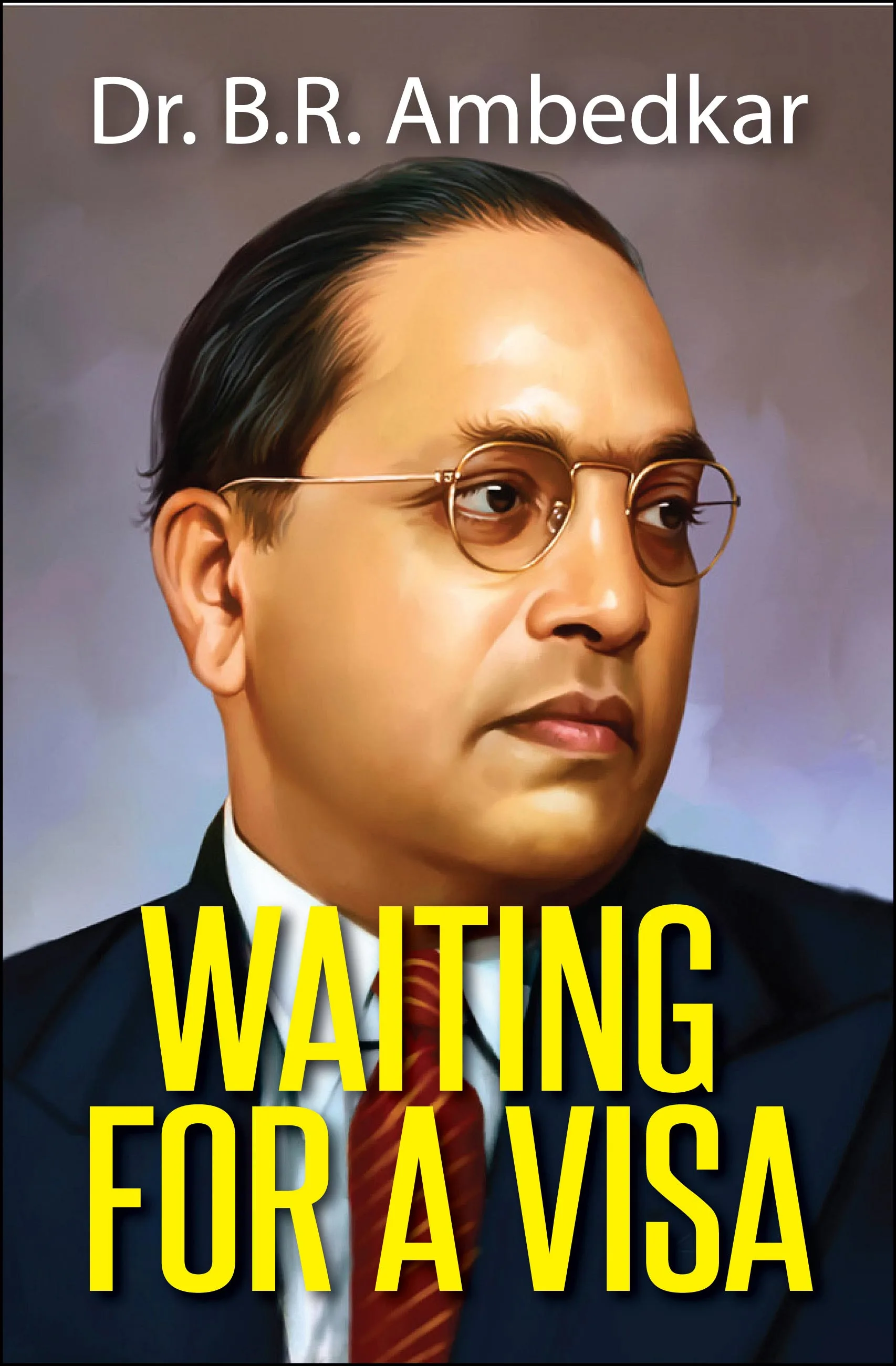
Download Cover Image
Do you want to download the full cover image for Waiting for a Visa?