
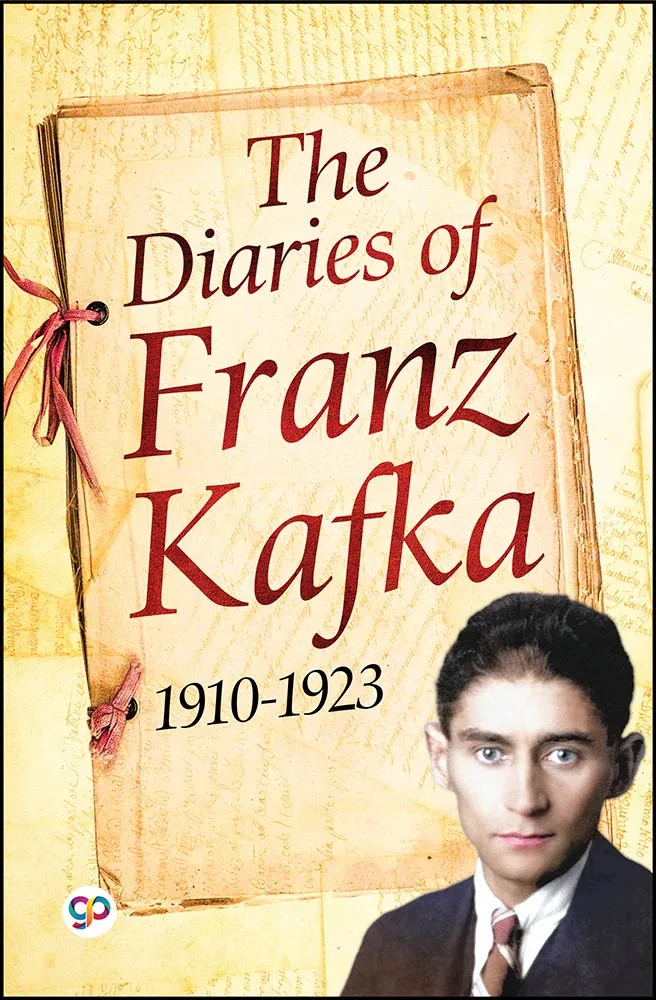
The Diaries of Franz Kafka, 1910-1923
eBook
• INR 99.00
• English
• 9788198883827
No ratings yet
| Publisher | General Press |
|---|---|
| ISBN13 | 9788198883827 |
| ASIN/SKU | B0G1BX6J2J |
| Book Format | eBook |
| Language | English |
| List Price | INR 99.00 |
| Subject Code | BIO007000, BIO026000, LCO015000 |
| Book Code | BD00069113 |
Buy this Book
Amazon Stores
Ebook Stores
Other Stores
Discover The Diaries of Franz Kafka, 1910-1923 by Franz Kafka. This book is published by General Press in eBook format, ISBN 9788198883827, ASIN B0G1BX6J2J, under Biographies and Memoirs, Memoirs, Nonfiction.
Book Description
First published posthumously in 1948, 'The Diaries of Franz Kafka, 1910–1923' offers a rare and intimate glimpse into the inner life of one of literature’s most enigmatic and influential figures. Spanning thirteen pivotal years, these personal writings reveal the private thoughts, emotional struggles, and creative anxieties that shaped Kafka’s work and worldview.
In these candid entries, Kafka reflects on his health, family tensions, romantic failures, spiritual dilemmas, and profound sense of alienation. Fragmented and often intensely self-critical, the diaries unveil a mind in constant conflict—torn between the need for solitude and the yearning for connection, between the urge to write and the paralysis of self-doubt.
The diaries also illuminate the genesis of Kafka’s major works, offering brief story drafts, dream sequences, and philosophical musings that echo the themes of isolation, absurdity, and existential dread found in his fiction.
Unfiltered and deeply personal, 'The Diaries of Franz Kafka' is not merely a record of daily events but a revealing portrait of a tortured genius wrestling with the complexities of life, art, and identity. It stands as an essential companion to Kafka’s published works, shedding light on the emotional and intellectual depths from which they emerged.
In these candid entries, Kafka reflects on his health, family tensions, romantic failures, spiritual dilemmas, and profound sense of alienation. Fragmented and often intensely self-critical, the diaries unveil a mind in constant conflict—torn between the need for solitude and the yearning for connection, between the urge to write and the paralysis of self-doubt.
The diaries also illuminate the genesis of Kafka’s major works, offering brief story drafts, dream sequences, and philosophical musings that echo the themes of isolation, absurdity, and existential dread found in his fiction.
Unfiltered and deeply personal, 'The Diaries of Franz Kafka' is not merely a record of daily events but a revealing portrait of a tortured genius wrestling with the complexities of life, art, and identity. It stands as an essential companion to Kafka’s published works, shedding light on the emotional and intellectual depths from which they emerged.
Author Biography
Franz Kafka (1883–1924) was a German-speaking Bohemian novelist and short-story writer widely regarded as one of the major figures of 20th-century literature. Born in Prague into a middle-class Jewish family, Kafka grew up in the shadow of a domineering father. This fraught paternal relationship, combined with his own pervasive sense of isolation, became a central psychological driver in his writing, deeply shaping his unique perspective on authority and alienation.
After earning a law degree, Kafka spent most of his adult life working at a workers' accident insurance institute. He viewed this demanding bureaucratic job primarily as a means to pay the bills, reserving his nights for his true passion: writing. It was during these quiet hours that he crafted his distinct literary style, blending realistic settings with surreal, nightmarish scenarios where individuals are crushed by incomprehensible socio-bureaucratic powers.
During his lifetime, Kafka published only a small fraction of his work. His most famous piece published while he was alive is the 1915 novella The Metamorphosis, which chronicles the absurd and tragic story of a traveling salesman who wakes to find himself unexpectedly transformed into a giant insect. The haunting, illogical complexity of this and his other stories eventually gave rise to the term "Kafkaesque," a word now universally used to describe hopelessly bewildering and oppressive situations.
Plagued by crippling self-doubt and chronic health issues, Kafka contracted tuberculosis and died in a sanatorium near Vienna at just 40 years old. Before his death, he left explicit instructions for his closest friend and literary executor, Max Brod, to gather and burn all of his unpublished diaries and manuscripts unread.
Defying these final wishes, Brod recognized the profound genius of his friend's work and instead oversaw the posthumous publication of Kafka’s major unfinished novels, including The Trial and The Castle. Because of Brod's momentous decision, Kafka's visionary explorations of existential anxiety survived, securing his enduring legacy as a literary titan whose works continue to resonate worldwide.
After earning a law degree, Kafka spent most of his adult life working at a workers' accident insurance institute. He viewed this demanding bureaucratic job primarily as a means to pay the bills, reserving his nights for his true passion: writing. It was during these quiet hours that he crafted his distinct literary style, blending realistic settings with surreal, nightmarish scenarios where individuals are crushed by incomprehensible socio-bureaucratic powers.
During his lifetime, Kafka published only a small fraction of his work. His most famous piece published while he was alive is the 1915 novella The Metamorphosis, which chronicles the absurd and tragic story of a traveling salesman who wakes to find himself unexpectedly transformed into a giant insect. The haunting, illogical complexity of this and his other stories eventually gave rise to the term "Kafkaesque," a word now universally used to describe hopelessly bewildering and oppressive situations.
Plagued by crippling self-doubt and chronic health issues, Kafka contracted tuberculosis and died in a sanatorium near Vienna at just 40 years old. Before his death, he left explicit instructions for his closest friend and literary executor, Max Brod, to gather and burn all of his unpublished diaries and manuscripts unread.
Defying these final wishes, Brod recognized the profound genius of his friend's work and instead oversaw the posthumous publication of Kafka’s major unfinished novels, including The Trial and The Castle. Because of Brod's momentous decision, Kafka's visionary explorations of existential anxiety survived, securing his enduring legacy as a literary titan whose works continue to resonate worldwide.
Editorial Reviews
Editorial Reviews will be added soon…
Book Summary
Book Summary will be added soon…
Sample Chapters
Sample Chapters will be added soon…
Reader Reviews
No reviews yet.
The Diaries of Franz Kafka, 1910-1923
Download Cover Image
Do you want to download the full cover image for The Diaries of Franz Kafka, 1910-1923?