
Lord, Teach Us to Pray
eBook
• INR 51.00
• English
• 9789354999284
No ratings yet
| Publisher | General Press |
|---|---|
| ISBN13 | 9789354999284 |
| ASIN/SKU | B0CFTVDHYY |
| Book Format | eBook |
| Language | English |
| List Price | INR 51.00 |
| Subject Code | REL067090, REL012020 |
| Book Code | BD00069228 |
Buy this Book
Amazon Stores
Ebook Stores
Other Stores
Discover Lord, Teach Us to Pray by Andrew Murray. This book is published by General Press in eBook format, ISBN 9789354999284, ASIN B0CFTVDHYY, under Christian Books and Bibles, Christian Living, Spiritual Growth.
Book Description
Lord, Teach Us to Pray is a book of substance, and a collection of carefully excerpted devotionals from the writings of Andrew Murray. One of the world’s foremost authorities on the deeper Christian life, Murray wrote scores of insightful books through the late nineteenth and early twentieth century. It addresses issues like the Holy Spirit, faith, obedience, love, and more.
It gives much to consider about prayer. It acts as a source of inspiration for Christians who wish to pray more effectively and devoutly. The author takes as his text the first part of Matthew 6, including the Lord's Prayer, and examines the subject of prayer, as well as the role of Jesus Christ as the ‘only teacher’. Though meant for people of faith, even agnostics and atheists can still find use and interest in its pages.
"lead me to cast away my thoughts of what I think I know, and make me kneel before Thee in true teachableness and poverty of spirit."
— Andrew Murray (Lord, Teach Us to Pray)
It gives much to consider about prayer. It acts as a source of inspiration for Christians who wish to pray more effectively and devoutly. The author takes as his text the first part of Matthew 6, including the Lord's Prayer, and examines the subject of prayer, as well as the role of Jesus Christ as the ‘only teacher’. Though meant for people of faith, even agnostics and atheists can still find use and interest in its pages.
"lead me to cast away my thoughts of what I think I know, and make me kneel before Thee in true teachableness and poverty of spirit."
— Andrew Murray (Lord, Teach Us to Pray)
Author Biography
Andrew Murray (1828-1917) was an amazingly prolific Christian writer. He lived and ministered as both a pastor and author in the towns and villages of South Africa. Some of Murray's earliest works were written to provide nurture and guidance to Christians, whether young or old in the faith; they were actually an extension of his pastoral work. Once books such as Abide in Christ, Divine Healing, and With Christ in the School of Prayer were written, Murray became widely known, and new books from his pen were awaited with great eagerness throughout the world.
He wrote to give daily practical help to many of the people in his congregation who lived out in the farming communities and could come into town for church services only on rare occasions. As he wrote these books of instruction, Murray adopted the practice of placing many of his more devotional books into thirty-one separate readings to correspond with the days of the month.
At the age of seventy-eight, Murray resigned from the pastorate and devoted most of his time to his manuscripts. He continued to write profusely, moving from one book to the next with an intensity of purpose and a zeal that few men of God have ever equaled. He often said of himself, rather humorously, that he was like a hen about to hatch an egg; he was restless and unhappy until he got the burden of the message off his mind.
During these later years, after hearing of pocket-sized paperbacks, Andrew Murray immediately began to write books to be published in that fashion. He thought it was a splendid way to have the teachings of the Christian life at your fingertips, where they could be carried around and read at any time of the day.
One source has said of Andrew Murray that his prolific style possesses the strength and eloquence that are born of deep earnestness and a sense of the solemnity of the issues of the Christian life. Nearly every page reveals an intensity of purpose and appeal that stirs men to the depths of their souls. Murray moves the emotions, searches the conscience, and reveals the sins and shortcomings of many of us with a love and hope born out of an intimate knowledge of the mercy and faithfulness of God.
For Andrew Murray, prayer was considered our personal home base from which we live our Christian lives and extend ourselves to others. During his later years, the vital necessity of unceasing prayer in the spiritual life came to the forefront of his teachings. It was then that he revealed the secret treasures of his heart concerning a life of persistent and believing prayer.
Countless people the world over have hailed Andrew Murray as their spiritual father and given credit for much of their Christian growth to the influence of his priceless devotional books.
He wrote to give daily practical help to many of the people in his congregation who lived out in the farming communities and could come into town for church services only on rare occasions. As he wrote these books of instruction, Murray adopted the practice of placing many of his more devotional books into thirty-one separate readings to correspond with the days of the month.
At the age of seventy-eight, Murray resigned from the pastorate and devoted most of his time to his manuscripts. He continued to write profusely, moving from one book to the next with an intensity of purpose and a zeal that few men of God have ever equaled. He often said of himself, rather humorously, that he was like a hen about to hatch an egg; he was restless and unhappy until he got the burden of the message off his mind.
During these later years, after hearing of pocket-sized paperbacks, Andrew Murray immediately began to write books to be published in that fashion. He thought it was a splendid way to have the teachings of the Christian life at your fingertips, where they could be carried around and read at any time of the day.
One source has said of Andrew Murray that his prolific style possesses the strength and eloquence that are born of deep earnestness and a sense of the solemnity of the issues of the Christian life. Nearly every page reveals an intensity of purpose and appeal that stirs men to the depths of their souls. Murray moves the emotions, searches the conscience, and reveals the sins and shortcomings of many of us with a love and hope born out of an intimate knowledge of the mercy and faithfulness of God.
For Andrew Murray, prayer was considered our personal home base from which we live our Christian lives and extend ourselves to others. During his later years, the vital necessity of unceasing prayer in the spiritual life came to the forefront of his teachings. It was then that he revealed the secret treasures of his heart concerning a life of persistent and believing prayer.
Countless people the world over have hailed Andrew Murray as their spiritual father and given credit for much of their Christian growth to the influence of his priceless devotional books.
Editorial Reviews
Editorial Reviews will be added soon…
Book Summary
Lord, Teach Us to Pray by Andrew Murray is a classic Christian book about prayer, spiritual discipline, and a believer’s growing relationship with God. Written in a warm but deeply challenging devotional style, the book takes its title from the disciples’ simple request to Jesus: “Lord, teach us to pray.” Murray treats this request not as a question about technique but as the beginning of a lifelong spiritual education. For him, prayer is not merely a religious duty or a way of asking God for personal needs. It is the central means through which Christians learn to depend on God, participate in His purposes, receive spiritual strength, and experience deeper fellowship with Him.
Andrew Murray’s approach to prayer is both practical and deeply devotional. He repeatedly returns to the idea that prayer should become a natural expression of a life surrendered to God. A Christian may know the Bible, attend church, and sincerely believe in Christ, yet still have a weak prayer life. Murray believes that this weakness can be changed. Prayer can be learned, strengthened, and deepened as believers become more conscious of God’s presence and more willing to trust Him.
The Meaning of “Lord, Teach Us to Pray”
The title captures the central attitude Murray wants believers to develop. The disciples did not ask Jesus merely to give them a prayer formula. They asked Him to teach them to pray.
For Murray, this distinction is important. Prayer is not something a person masters through technique alone. It is a relationship that develops as one learns more about God.
The believer must therefore approach prayer with humility. Instead of assuming that we already know how to pray, we should recognize our dependence on God even in prayer itself.
This attitude changes prayer from a performance into a school of discipleship. God becomes both the One to whom we pray and the One who teaches us how to pray.
Murray sees Jesus as the perfect teacher because Christ Himself lived in dependence upon the Father. His prayer life demonstrates that communion with God is not an optional addition to spiritual life. It is foundational to everything else.
Prayer Begins With God
One of Murray’s strongest themes is that prayer should begin with God rather than with ourselves.
People naturally come to prayer with requests, worries, ambitions, and needs. These concerns are legitimate, but Murray wants Christians to move beyond a prayer life centered almost entirely on personal circumstances.
True prayer begins by recognizing who God is.
God is holy, loving, powerful, faithful, and generous. When believers become more aware of His character, their prayers begin to change. Instead of treating God as a source of solutions, they begin to seek Him as the greatest good.
This God-centered approach does not mean ignoring personal needs. Rather, personal requests are placed within a larger relationship of trust.
Prayer becomes an expression of worship, dependence, surrender, and love.
Prayer and Dependence on God
Murray believes that one of the deepest purposes of prayer is to teach believers their complete dependence upon God.
Human beings naturally want independence. We want to manage our lives, solve problems, control outcomes, and rely on our own abilities. Prayer challenges this instinct because genuine prayer requires admitting that we need God.
This dependence is not weakness in Murray’s understanding. It is the proper position of the Christian.
A person who prays sincerely acknowledges that God's wisdom is greater than human wisdom and that God's strength is greater than human strength. Prayer therefore becomes an act of faith.
The more deeply believers understand their dependence on God, the more naturally prayer becomes part of everyday life.
Abiding in Christ
Murray connects prayer closely with the Christian’s relationship with Jesus Christ. Prayer is not simply communication between a distant human being and a distant God. Through Christ, believers are invited into intimate fellowship with God.
The Christian life is therefore a life of abiding.
To abide in Christ means to remain connected to Him, depending upon Him continually rather than occasionally. Prayer is one of the principal ways this dependence becomes real.
Murray emphasizes that effective prayer cannot be separated from a life that seeks to remain close to Christ. Prayer is not intended to manipulate God into fulfilling selfish desires. It is part of a relationship in which the believer increasingly desires what God desires.
This is why spiritual character and prayer cannot be separated. As the heart changes, the content and purpose of prayer change as well.
Prayer and the Will of God
A common question about prayer is whether prayer changes God's will. Murray approaches this issue by emphasizing the harmony between God's purposes and the believer's relationship with Him.
Prayer is not about forcing God to do what we want. Instead, prayer gradually brings the believer's desires into alignment with God's will.
This is one of the deepest forms of spiritual maturity.
A beginner may primarily ask, “God, please give me what I want.” A growing Christian increasingly asks, “God, what do You want, and how can I participate in Your purpose?”
That transformation is crucial.
Murray does not present surrender as passive resignation. Instead, it is active trust. The believer places desires, plans, and circumstances into God's hands while continuing to pray with confidence.
The Importance of Faith
Faith is essential to Murray’s teaching on prayer. A prayer without faith can easily become a formal exercise. Faith gives prayer confidence because the believer trusts the character of God.
But Murray's understanding of faith is not simply optimism. Faith is not pretending that everything will happen exactly as we wish. It is trusting God even when the answer is uncertain.
The Christian prays because God is faithful.
This distinction protects prayer from becoming a spiritual technique for obtaining desired results. The believer's confidence rests ultimately in God Himself.
Murray therefore encourages persistent prayer even when answers appear delayed. Delay does not necessarily mean that God has ignored the prayer. It may become part of the believer's spiritual education, teaching patience, dependence, perseverance, and deeper trust.
Perseverance in Prayer
One of the recurring lessons in Murray’s writing is that Christians should not give up too quickly.
Modern life encourages instant results, but prayer often requires patience. There may be situations in which believers pray repeatedly without seeing immediate change.
Murray sees perseverance as an expression of faith.
Persistent prayer demonstrates that a person values fellowship with God and continues to trust Him even when circumstances are confusing. The believer does not pray only when an answer seems likely. Prayer becomes a continuing posture of dependence.
This is especially important in intercessory prayer. Christians are encouraged to pray not only for themselves but also for other people, communities, the church, and God's work in the world.
Prayer as Intercession
Murray gives great importance to intercessory prayer—the practice of praying on behalf of others.
For him, prayer is never meant to become entirely self-centered. As believers grow spiritually, their concerns should expand beyond personal comfort.
They begin to pray for people who are suffering, for those who do not know Christ, for Christian workers, for families, for churches, and for the advancement of God's kingdom.
Intercession requires love because it means carrying the needs of others before God.
Murray presents this kind of prayer as a form of spiritual service. A person who cannot directly solve another person's problem can still bring that person before God.
This gives prayer a powerful outward dimension. A deeper prayer life should produce a deeper concern for other people.
Prayer and Obedience
Murray does not separate prayer from obedience. He strongly challenges the idea that someone can maintain a powerful prayer life while deliberately ignoring God's commands.
Prayer is not a substitute for obedience.
If a person asks God for spiritual transformation but refuses to surrender known areas of disobedience, the problem is not simply a lack of prayer technique. The heart must be brought into submission to God.
Obedience gives integrity to prayer.
This does not mean that Christians must become perfect before they can pray. Rather, it means that prayer should be part of an honest relationship with God in which believers confess sin, receive grace, and seek to walk faithfully.
Prayer and holiness therefore reinforce one another.
Prayer and the Holy Spirit
Murray also emphasizes the work of the Holy Spirit in prayer. Christian prayer is not simply a human effort to reach upward toward God. The Spirit works within believers, helping them pray according to God's purposes.
This is important because Christians often do not know exactly what to pray.
There are times when circumstances are so difficult that words fail. At other times, personal desires may be confused with God's will. The Holy Spirit helps direct the believer toward deeper dependence and God-centered prayer.
The Spirit's work also reminds Christians that prayer is ultimately God's work of grace within them.
The believer is not alone in learning to pray.
Prayer and the Kingdom of God
Murray's vision of prayer extends beyond individual spirituality. Prayer has a kingdom dimension.
Christians are called to pray for God's name to be honored, His kingdom to come, and His will to be done. This means that prayer participates in something larger than personal religious experience.
Murray encourages believers to develop a vision of God's purposes in the world.
The question becomes not simply, “How can prayer make my life better?” but “How can my prayers serve God's purposes?”
This perspective transforms prayer from a private spiritual exercise into participation in God's work.
The Danger of a Weak Prayer Life
Murray is honest about the common reasons Christians struggle with prayer. Prayer can become irregular, mechanical, distracted, or self-centered.
Sometimes people pray only when they are in trouble. At other times, they become discouraged because they do not immediately see answers.
Murray's response is not condemnation but instruction. He repeatedly calls believers back to the basic truth that prayer is a relationship that requires time and attention.
Just as human relationships grow through regular communication, fellowship with God requires intentionality.
A Christian who wants a deeper prayer life must therefore make room for prayer rather than treating it as whatever time remains after everything else has been completed.
A Practical Vision of a Deeper Prayer Life
Although Lord, Teach Us to Pray is devotional rather than a modern step-by-step prayer manual, its teachings provide practical guidance.
A deeper prayer life begins with setting aside time to seek God. It involves Scripture, worship, confession, thanksgiving, petition, intercession, and listening.
It also involves learning to pray throughout the day. Prayer does not need to remain limited to a particular location or hour. A believer can develop an ongoing awareness of God while working, traveling, making decisions, facing difficulties, or serving others.
Murray's ideal is therefore not simply longer prayers but deeper communion.
The goal is not to measure spirituality by the number of minutes spent praying. The goal is to develop a life increasingly shaped by dependence on God.
Why Lord, Teach Us to Pray Remains Relevant
Lord, Teach Us to Pray by Andrew Murray remains valuable for readers searching for Christian prayer books, how to pray effectively, developing a deeper prayer life, prayer and faith, intercessory prayer, prayer according to God's will, intimacy with God, and Christian spiritual growth.
Its enduring appeal comes from the fact that the central struggle has not changed. Christians may know that prayer is important while still finding it difficult to pray consistently. They may desire closeness with God while becoming distracted by everyday concerns.
Murray's answer is simple but demanding: return to God Himself.
Prayer is not merely a religious obligation. It is an invitation to know God more deeply, depend upon Him more completely, surrender more willingly, and participate more fully in His purposes.
Conclusion
Lord, Teach Us to Pray is ultimately a call to rediscover prayer as the heart of Christian life. Andrew Murray teaches that prayer is far more than presenting requests to God. It is communion with the Father through Christ, dependence upon divine strength, submission to God's will, perseverance in faith, intercession for others, and participation in God's kingdom.
The title's simple request contains the whole spirit of the book: “Lord, teach us to pray.”
Murray encourages believers to approach prayer as lifelong learners. There is always more to discover about trusting God, listening to Him, surrendering personal desires, praying for others, persevering through unanswered questions, and seeking God's glory above personal interests.
The deepest lesson is that effective prayer begins not with learning the perfect words but with learning to know the God to whom we pray. As that relationship grows, prayer becomes less of a duty and more of a desire.
For anyone seeking a deeper relationship with God, a stronger Christian prayer life, greater faith, or a more meaningful devotional practice, Lord, Teach Us to Pray offers a timeless invitation: stop settling for occasional or mechanical prayer and begin learning, day by day, what it means to live in conscious dependence upon God.
Andrew Murray’s approach to prayer is both practical and deeply devotional. He repeatedly returns to the idea that prayer should become a natural expression of a life surrendered to God. A Christian may know the Bible, attend church, and sincerely believe in Christ, yet still have a weak prayer life. Murray believes that this weakness can be changed. Prayer can be learned, strengthened, and deepened as believers become more conscious of God’s presence and more willing to trust Him.
The Meaning of “Lord, Teach Us to Pray”
The title captures the central attitude Murray wants believers to develop. The disciples did not ask Jesus merely to give them a prayer formula. They asked Him to teach them to pray.
For Murray, this distinction is important. Prayer is not something a person masters through technique alone. It is a relationship that develops as one learns more about God.
The believer must therefore approach prayer with humility. Instead of assuming that we already know how to pray, we should recognize our dependence on God even in prayer itself.
This attitude changes prayer from a performance into a school of discipleship. God becomes both the One to whom we pray and the One who teaches us how to pray.
Murray sees Jesus as the perfect teacher because Christ Himself lived in dependence upon the Father. His prayer life demonstrates that communion with God is not an optional addition to spiritual life. It is foundational to everything else.
Prayer Begins With God
One of Murray’s strongest themes is that prayer should begin with God rather than with ourselves.
People naturally come to prayer with requests, worries, ambitions, and needs. These concerns are legitimate, but Murray wants Christians to move beyond a prayer life centered almost entirely on personal circumstances.
True prayer begins by recognizing who God is.
God is holy, loving, powerful, faithful, and generous. When believers become more aware of His character, their prayers begin to change. Instead of treating God as a source of solutions, they begin to seek Him as the greatest good.
This God-centered approach does not mean ignoring personal needs. Rather, personal requests are placed within a larger relationship of trust.
Prayer becomes an expression of worship, dependence, surrender, and love.
Prayer and Dependence on God
Murray believes that one of the deepest purposes of prayer is to teach believers their complete dependence upon God.
Human beings naturally want independence. We want to manage our lives, solve problems, control outcomes, and rely on our own abilities. Prayer challenges this instinct because genuine prayer requires admitting that we need God.
This dependence is not weakness in Murray’s understanding. It is the proper position of the Christian.
A person who prays sincerely acknowledges that God's wisdom is greater than human wisdom and that God's strength is greater than human strength. Prayer therefore becomes an act of faith.
The more deeply believers understand their dependence on God, the more naturally prayer becomes part of everyday life.
Abiding in Christ
Murray connects prayer closely with the Christian’s relationship with Jesus Christ. Prayer is not simply communication between a distant human being and a distant God. Through Christ, believers are invited into intimate fellowship with God.
The Christian life is therefore a life of abiding.
To abide in Christ means to remain connected to Him, depending upon Him continually rather than occasionally. Prayer is one of the principal ways this dependence becomes real.
Murray emphasizes that effective prayer cannot be separated from a life that seeks to remain close to Christ. Prayer is not intended to manipulate God into fulfilling selfish desires. It is part of a relationship in which the believer increasingly desires what God desires.
This is why spiritual character and prayer cannot be separated. As the heart changes, the content and purpose of prayer change as well.
Prayer and the Will of God
A common question about prayer is whether prayer changes God's will. Murray approaches this issue by emphasizing the harmony between God's purposes and the believer's relationship with Him.
Prayer is not about forcing God to do what we want. Instead, prayer gradually brings the believer's desires into alignment with God's will.
This is one of the deepest forms of spiritual maturity.
A beginner may primarily ask, “God, please give me what I want.” A growing Christian increasingly asks, “God, what do You want, and how can I participate in Your purpose?”
That transformation is crucial.
Murray does not present surrender as passive resignation. Instead, it is active trust. The believer places desires, plans, and circumstances into God's hands while continuing to pray with confidence.
The Importance of Faith
Faith is essential to Murray’s teaching on prayer. A prayer without faith can easily become a formal exercise. Faith gives prayer confidence because the believer trusts the character of God.
But Murray's understanding of faith is not simply optimism. Faith is not pretending that everything will happen exactly as we wish. It is trusting God even when the answer is uncertain.
The Christian prays because God is faithful.
This distinction protects prayer from becoming a spiritual technique for obtaining desired results. The believer's confidence rests ultimately in God Himself.
Murray therefore encourages persistent prayer even when answers appear delayed. Delay does not necessarily mean that God has ignored the prayer. It may become part of the believer's spiritual education, teaching patience, dependence, perseverance, and deeper trust.
Perseverance in Prayer
One of the recurring lessons in Murray’s writing is that Christians should not give up too quickly.
Modern life encourages instant results, but prayer often requires patience. There may be situations in which believers pray repeatedly without seeing immediate change.
Murray sees perseverance as an expression of faith.
Persistent prayer demonstrates that a person values fellowship with God and continues to trust Him even when circumstances are confusing. The believer does not pray only when an answer seems likely. Prayer becomes a continuing posture of dependence.
This is especially important in intercessory prayer. Christians are encouraged to pray not only for themselves but also for other people, communities, the church, and God's work in the world.
Prayer as Intercession
Murray gives great importance to intercessory prayer—the practice of praying on behalf of others.
For him, prayer is never meant to become entirely self-centered. As believers grow spiritually, their concerns should expand beyond personal comfort.
They begin to pray for people who are suffering, for those who do not know Christ, for Christian workers, for families, for churches, and for the advancement of God's kingdom.
Intercession requires love because it means carrying the needs of others before God.
Murray presents this kind of prayer as a form of spiritual service. A person who cannot directly solve another person's problem can still bring that person before God.
This gives prayer a powerful outward dimension. A deeper prayer life should produce a deeper concern for other people.
Prayer and Obedience
Murray does not separate prayer from obedience. He strongly challenges the idea that someone can maintain a powerful prayer life while deliberately ignoring God's commands.
Prayer is not a substitute for obedience.
If a person asks God for spiritual transformation but refuses to surrender known areas of disobedience, the problem is not simply a lack of prayer technique. The heart must be brought into submission to God.
Obedience gives integrity to prayer.
This does not mean that Christians must become perfect before they can pray. Rather, it means that prayer should be part of an honest relationship with God in which believers confess sin, receive grace, and seek to walk faithfully.
Prayer and holiness therefore reinforce one another.
Prayer and the Holy Spirit
Murray also emphasizes the work of the Holy Spirit in prayer. Christian prayer is not simply a human effort to reach upward toward God. The Spirit works within believers, helping them pray according to God's purposes.
This is important because Christians often do not know exactly what to pray.
There are times when circumstances are so difficult that words fail. At other times, personal desires may be confused with God's will. The Holy Spirit helps direct the believer toward deeper dependence and God-centered prayer.
The Spirit's work also reminds Christians that prayer is ultimately God's work of grace within them.
The believer is not alone in learning to pray.
Prayer and the Kingdom of God
Murray's vision of prayer extends beyond individual spirituality. Prayer has a kingdom dimension.
Christians are called to pray for God's name to be honored, His kingdom to come, and His will to be done. This means that prayer participates in something larger than personal religious experience.
Murray encourages believers to develop a vision of God's purposes in the world.
The question becomes not simply, “How can prayer make my life better?” but “How can my prayers serve God's purposes?”
This perspective transforms prayer from a private spiritual exercise into participation in God's work.
The Danger of a Weak Prayer Life
Murray is honest about the common reasons Christians struggle with prayer. Prayer can become irregular, mechanical, distracted, or self-centered.
Sometimes people pray only when they are in trouble. At other times, they become discouraged because they do not immediately see answers.
Murray's response is not condemnation but instruction. He repeatedly calls believers back to the basic truth that prayer is a relationship that requires time and attention.
Just as human relationships grow through regular communication, fellowship with God requires intentionality.
A Christian who wants a deeper prayer life must therefore make room for prayer rather than treating it as whatever time remains after everything else has been completed.
A Practical Vision of a Deeper Prayer Life
Although Lord, Teach Us to Pray is devotional rather than a modern step-by-step prayer manual, its teachings provide practical guidance.
A deeper prayer life begins with setting aside time to seek God. It involves Scripture, worship, confession, thanksgiving, petition, intercession, and listening.
It also involves learning to pray throughout the day. Prayer does not need to remain limited to a particular location or hour. A believer can develop an ongoing awareness of God while working, traveling, making decisions, facing difficulties, or serving others.
Murray's ideal is therefore not simply longer prayers but deeper communion.
The goal is not to measure spirituality by the number of minutes spent praying. The goal is to develop a life increasingly shaped by dependence on God.
Why Lord, Teach Us to Pray Remains Relevant
Lord, Teach Us to Pray by Andrew Murray remains valuable for readers searching for Christian prayer books, how to pray effectively, developing a deeper prayer life, prayer and faith, intercessory prayer, prayer according to God's will, intimacy with God, and Christian spiritual growth.
Its enduring appeal comes from the fact that the central struggle has not changed. Christians may know that prayer is important while still finding it difficult to pray consistently. They may desire closeness with God while becoming distracted by everyday concerns.
Murray's answer is simple but demanding: return to God Himself.
Prayer is not merely a religious obligation. It is an invitation to know God more deeply, depend upon Him more completely, surrender more willingly, and participate more fully in His purposes.
Conclusion
Lord, Teach Us to Pray is ultimately a call to rediscover prayer as the heart of Christian life. Andrew Murray teaches that prayer is far more than presenting requests to God. It is communion with the Father through Christ, dependence upon divine strength, submission to God's will, perseverance in faith, intercession for others, and participation in God's kingdom.
The title's simple request contains the whole spirit of the book: “Lord, teach us to pray.”
Murray encourages believers to approach prayer as lifelong learners. There is always more to discover about trusting God, listening to Him, surrendering personal desires, praying for others, persevering through unanswered questions, and seeking God's glory above personal interests.
The deepest lesson is that effective prayer begins not with learning the perfect words but with learning to know the God to whom we pray. As that relationship grows, prayer becomes less of a duty and more of a desire.
For anyone seeking a deeper relationship with God, a stronger Christian prayer life, greater faith, or a more meaningful devotional practice, Lord, Teach Us to Pray offers a timeless invitation: stop settling for occasional or mechanical prayer and begin learning, day by day, what it means to live in conscious dependence upon God.
Sample Chapters
Sample Chapters will be added soon…
Reader Reviews
No reviews yet.
Lord, Teach Us to Pray
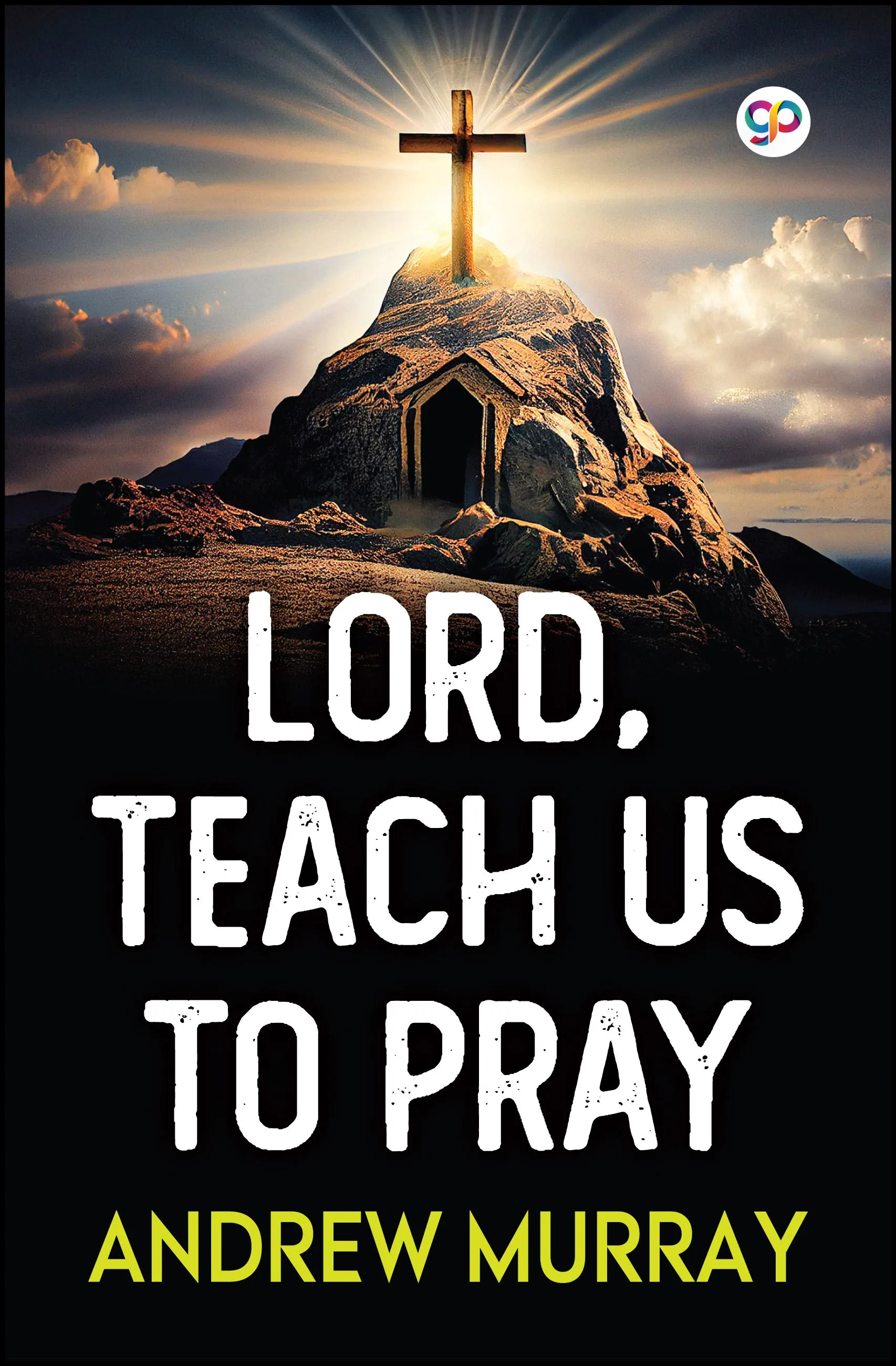
Download Cover Image
Do you want to download the full cover image for Lord, Teach Us to Pray?