
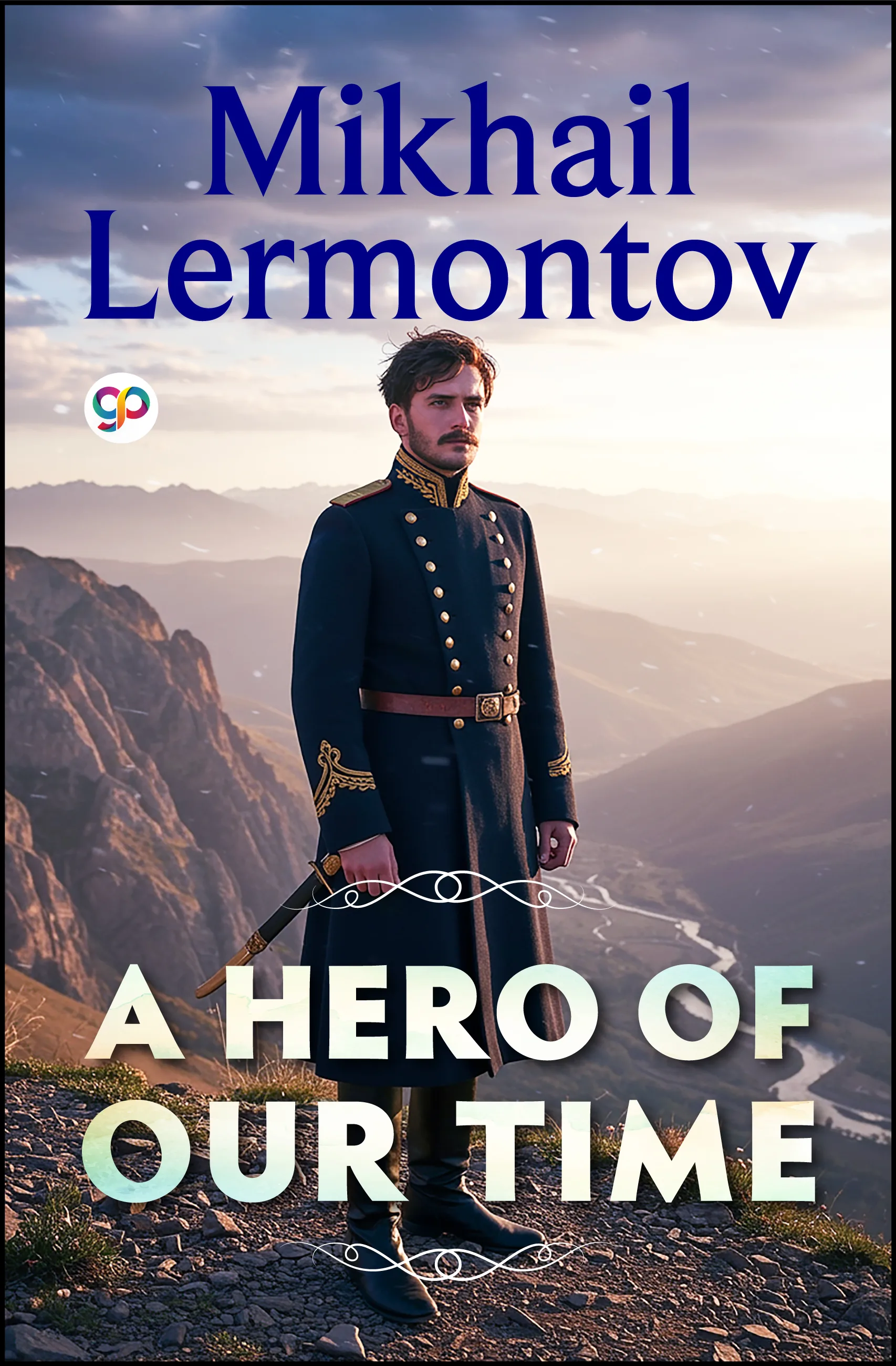
A Hero of Our Time
eBook
• INR 99.00
• English
• 9788199107335
No ratings yet
| Publisher | General Press |
|---|---|
| ISBN13 | 9788199107335 |
| ASIN/SKU | B0G19J185K |
| Book Format | eBook |
| Language | English |
| List Price | INR 99.00 |
| Subject Code | FIC004000 |
| Book Code | BD00069239 |
Buy this Book
Amazon Stores
Ebook Stores
Other Stores
Discover A Hero of Our Time by Mikhail Lermontov. This book is published by General Press in eBook format, ISBN 9788199107335, ASIN B0G19J185K, under Literature and Fiction, Literary Fiction, Classics.
Book Description
A Hero of Our Time is a classic Russian novel written by Mikhail Lermontov and first published in 1840. Lermontov, often regarded as one of Russia’s greatest Romantic poets and novelists, wrote this masterpiece at just twenty-five, capturing the complex psychology and disillusionment of his generation during the early 19th century.
The novel is composed of five interconnected stories centered on Grigory Alexandrovich Pechorin, a young officer in the Russian army stationed in the Caucasus. Through multiple narrators and shifting perspectives, Lermontov paints a portrait of Pechorin as a man of intelligence, charm, and courage — yet also cynical, selfish, and emotionally detached. His restless spirit and inability to find meaning or happiness make him both fascinating and tragic. Pechorin’s relationships with others often lead to destruction, revealing the emptiness behind his brilliance and the loneliness beneath his arrogance.
Lermontov’s innovative narrative structure was groundbreaking for its time. The fragmented storytelling and psychological depth make A Hero of Our Time one of the earliest examples of the psychological novel in world literature. The book explores themes of fate, free will, love, honor, and the alienation of the modern individual — ideas that would later influence writers such as Dostoevsky and Tolstoy.
Through Pechorin, Lermontov portrays what he called “the hero of our time” — a man representative of an entire generation’s moral and spiritual confusion. Set against the rugged beauty of the Caucasus Mountains, the novel blends Romantic adventure with philosophical reflection, offering both a thrilling narrative and a profound study of human character. Today, A Hero of Our Time stands as a cornerstone of Russian literature, remarkable for its insight into the complexities of the human soul and the conflicts of modern existence.
The novel is composed of five interconnected stories centered on Grigory Alexandrovich Pechorin, a young officer in the Russian army stationed in the Caucasus. Through multiple narrators and shifting perspectives, Lermontov paints a portrait of Pechorin as a man of intelligence, charm, and courage — yet also cynical, selfish, and emotionally detached. His restless spirit and inability to find meaning or happiness make him both fascinating and tragic. Pechorin’s relationships with others often lead to destruction, revealing the emptiness behind his brilliance and the loneliness beneath his arrogance.
Lermontov’s innovative narrative structure was groundbreaking for its time. The fragmented storytelling and psychological depth make A Hero of Our Time one of the earliest examples of the psychological novel in world literature. The book explores themes of fate, free will, love, honor, and the alienation of the modern individual — ideas that would later influence writers such as Dostoevsky and Tolstoy.
Through Pechorin, Lermontov portrays what he called “the hero of our time” — a man representative of an entire generation’s moral and spiritual confusion. Set against the rugged beauty of the Caucasus Mountains, the novel blends Romantic adventure with philosophical reflection, offering both a thrilling narrative and a profound study of human character. Today, A Hero of Our Time stands as a cornerstone of Russian literature, remarkable for its insight into the complexities of the human soul and the conflicts of modern existence.
Author Biography
Mikhail Yuryevich Lermontov (Михаил Юрьевич Лермонтов), a Russian Romantic writer, poet and painter, sometimes called "the poet of the Caucasus", was the most important Russian poet after Alexander Pushkin's death. His influence on later Russian literature is still felt in modern times, not only through his poetry, but also by his prose.
Lermontov died in a duel like his great predecessor poet, Aleksander Pushkin. Even more so tragically strange (if not to say fatalistic) that both poets described in their major works fatal duel outcomes, in which the main characters (Onegin and Pechorin) were coming out victorious.
Lermontov died in a duel like his great predecessor poet, Aleksander Pushkin. Even more so tragically strange (if not to say fatalistic) that both poets described in their major works fatal duel outcomes, in which the main characters (Onegin and Pechorin) were coming out victorious.
Editorial Reviews
Editorial Reviews will be added soon…
Book Summary
A Hero of Our Time, first published in 1840, is Mikhail Lermontov’s most celebrated novel and one of the foundational works of Russian literature. Rather than following a straightforward chronological narrative, the novel presents a series of interconnected stories centered on Grigory Alexandrovich Pechorin, a brilliant yet deeply troubled Russian army officer. Through different narrators and shifting perspectives, Lermontov gradually reveals the complexity of a man who is intelligent, courageous, charming, and emotionally detached. The novel is both a psychological portrait of one individual and a broader reflection on a generation of talented people who, despite their abilities, struggle to find meaning or purpose in life.
The story is set in the rugged Caucasus Mountains, where the beauty of nature sharply contrasts with the emotional emptiness of its central character. Before readers meet Pechorin directly, they hear about him through the observations of an unnamed traveler and an elderly army officer named Maxim Maximych. This unusual narrative structure creates mystery, encouraging readers to form opinions about Pechorin gradually rather than accepting a single interpretation.
The first major episode, "Bela," introduces Pechorin through Maxim Maximych’s memories. Pechorin becomes fascinated by Bela, the beautiful daughter of a local Circassian prince. Rather than winning her affection honestly, he manipulates circumstances to have her kidnapped and brought to him. Initially, Bela resists him, but over time she genuinely falls in love with him. Ironically, once Pechorin succeeds in winning her heart, his own interest begins to fade.
Pechorin admits that the excitement of pursuing something new always disappears once he possesses it. He is not driven by cruelty alone but by an endless dissatisfaction that prevents him from finding lasting happiness. Bela's sincere love cannot fill the emotional emptiness within him. Eventually, she is kidnapped again by a jealous rival and fatally wounded. Her tragic death deeply affects those around her, especially Maxim Maximych, but Pechorin remains outwardly composed, hiding whatever emotions he may truly feel. This episode establishes one of the novel’s central ideas: the destructive consequences of emotional detachment.
The next section, "Maxim Maximych," offers another revealing glimpse into Pechorin’s character. Years after Bela’s death, Maxim Maximych unexpectedly meets Pechorin again. The old officer eagerly anticipates an emotional reunion, remembering the friendship they once shared. However, Pechorin greets him politely but with remarkable indifference before quickly departing.
Maxim Maximych is deeply hurt by this cold reception. The encounter highlights Pechorin’s inability to maintain meaningful human relationships. Even those who genuinely care for him cannot break through the emotional barriers he has built around himself. Readers begin to understand that Pechorin’s greatest isolation is not imposed by others but created by his own nature.
The novel then shifts dramatically as the narrator gains access to Pechorin’s personal journal, allowing readers to hear his thoughts directly. This change transforms the novel into a profound psychological study.
In "Taman," Pechorin arrives in a small coastal town where he becomes entangled with a mysterious group of smugglers. Curious by nature, he cannot resist investigating their secret activities. His interference ultimately disrupts their lives, forcing them to flee. Although Pechorin survives several dangerous encounters, he reflects that his curiosity often causes suffering for others without bringing himself any satisfaction.
This episode reveals another important aspect of his personality. Pechorin possesses remarkable intelligence and courage, yet he frequently uses these qualities simply to relieve boredom. He recognizes that his actions often harm innocent people, but he seems unable to stop himself. His honesty about his own flaws makes him fascinating, even as his behavior remains morally troubling.
The longest and most important section of the novel is "Princess Mary." Here, Lermontov presents the fullest picture of Pechorin’s complicated personality. While staying at a fashionable spa resort, Pechorin encounters several important figures, including the idealistic young officer Grushnitsky, the beautiful Princess Mary, and his former lover Vera.
Grushnitsky dreams of appearing heroic and romantic, but much of his behavior is theatrical and insincere. Pechorin quickly sees through these pretensions and begins manipulating events largely for his own amusement. Although he has no genuine intention of marrying Princess Mary, he deliberately courts her simply to prove his superiority over Grushnitsky.
Princess Mary sincerely falls in love with Pechorin, believing his intelligence and mysterious personality reflect hidden nobility. Instead, she becomes another victim of his emotional games. Pechorin later admits that he never intended to deceive her for personal gain but was driven by an irresistible desire to dominate situations and people. He seems incapable of resisting psychological challenges, even when they bring misery to others.
At the same time, Vera reenters his life. Unlike anyone else, she understands Pechorin completely. She recognizes both his strengths and his weaknesses yet continues to love him despite everything. Their relationship reveals that Pechorin is capable of deep feeling, but he remains unable to build a stable, lasting bond. His fear of emotional vulnerability constantly undermines his chance for genuine happiness.
The rivalry between Pechorin and Grushnitsky eventually reaches its climax. Humiliated by jealousy, Grushnitsky joins a conspiracy to cheat during a duel by secretly unloading Pechorin’s pistol. Discovering the plot, Pechorin forces his opponent to confess before insisting that the duel proceed fairly. Even after offering Grushnitsky a final opportunity for reconciliation, Pechorin ultimately shoots and kills him.
The duel becomes one of the novel’s most powerful moments. Although Pechorin survives, he gains no satisfaction from victory. Instead, he reflects on the emptiness of the entire conflict and recognizes his own role in creating the tragedy. His intelligence allows him to understand himself with remarkable clarity, yet this self-awareness rarely leads to meaningful change.
Vera soon leaves, and Pechorin desperately rides after her in one of the few moments when genuine emotion overcomes his usual restraint. Exhausting his horse in the chase, he fails to catch her. The failed pursuit symbolizes the pattern of his entire life: by the time he realizes the value of something, it has already slipped beyond his reach.
The final section, "The Fatalist," explores questions of destiny, free will, and the meaning of life. Pechorin and fellow officers debate whether human lives are controlled by fate or by personal choice. A dramatic series of events involving a reckless wager, murder, and the capture of a dangerous criminal leads Pechorin to reflect on whether destiny truly governs human existence.
Although the novel offers no definite answer, Pechorin concludes that uncertainty itself defines human life. People cannot know their future, yet they remain responsible for the choices they make. This philosophical ending reinforces the novel’s broader exploration of freedom, responsibility, and the search for meaning.
Throughout A Hero of Our Time, Lermontov portrays Pechorin not as a traditional hero but as a deeply conflicted individual whose extraordinary abilities are wasted through cynicism, boredom, and emotional isolation. He possesses intelligence, courage, charm, and insight, yet lacks the moral purpose needed to use these gifts constructively. His greatest enemy is not society or circumstance but his own restless, dissatisfied spirit.
Ultimately, A Hero of Our Time is far more than the story of one remarkable man. It is a timeless psychological exploration of loneliness, ambition, love, pride, and the consequences of living without a clear sense of purpose. Through Pechorin’s triumphs and failures, Mikhail Lermontov invites readers to reflect on the complexities of human nature and the dangers of allowing intelligence to exist without compassion, freedom without responsibility, and self-awareness without transformation. More than a century after its publication, the novel continues to resonate as one of literature’s most profound studies of the modern human condition.
The story is set in the rugged Caucasus Mountains, where the beauty of nature sharply contrasts with the emotional emptiness of its central character. Before readers meet Pechorin directly, they hear about him through the observations of an unnamed traveler and an elderly army officer named Maxim Maximych. This unusual narrative structure creates mystery, encouraging readers to form opinions about Pechorin gradually rather than accepting a single interpretation.
The first major episode, "Bela," introduces Pechorin through Maxim Maximych’s memories. Pechorin becomes fascinated by Bela, the beautiful daughter of a local Circassian prince. Rather than winning her affection honestly, he manipulates circumstances to have her kidnapped and brought to him. Initially, Bela resists him, but over time she genuinely falls in love with him. Ironically, once Pechorin succeeds in winning her heart, his own interest begins to fade.
Pechorin admits that the excitement of pursuing something new always disappears once he possesses it. He is not driven by cruelty alone but by an endless dissatisfaction that prevents him from finding lasting happiness. Bela's sincere love cannot fill the emotional emptiness within him. Eventually, she is kidnapped again by a jealous rival and fatally wounded. Her tragic death deeply affects those around her, especially Maxim Maximych, but Pechorin remains outwardly composed, hiding whatever emotions he may truly feel. This episode establishes one of the novel’s central ideas: the destructive consequences of emotional detachment.
The next section, "Maxim Maximych," offers another revealing glimpse into Pechorin’s character. Years after Bela’s death, Maxim Maximych unexpectedly meets Pechorin again. The old officer eagerly anticipates an emotional reunion, remembering the friendship they once shared. However, Pechorin greets him politely but with remarkable indifference before quickly departing.
Maxim Maximych is deeply hurt by this cold reception. The encounter highlights Pechorin’s inability to maintain meaningful human relationships. Even those who genuinely care for him cannot break through the emotional barriers he has built around himself. Readers begin to understand that Pechorin’s greatest isolation is not imposed by others but created by his own nature.
The novel then shifts dramatically as the narrator gains access to Pechorin’s personal journal, allowing readers to hear his thoughts directly. This change transforms the novel into a profound psychological study.
In "Taman," Pechorin arrives in a small coastal town where he becomes entangled with a mysterious group of smugglers. Curious by nature, he cannot resist investigating their secret activities. His interference ultimately disrupts their lives, forcing them to flee. Although Pechorin survives several dangerous encounters, he reflects that his curiosity often causes suffering for others without bringing himself any satisfaction.
This episode reveals another important aspect of his personality. Pechorin possesses remarkable intelligence and courage, yet he frequently uses these qualities simply to relieve boredom. He recognizes that his actions often harm innocent people, but he seems unable to stop himself. His honesty about his own flaws makes him fascinating, even as his behavior remains morally troubling.
The longest and most important section of the novel is "Princess Mary." Here, Lermontov presents the fullest picture of Pechorin’s complicated personality. While staying at a fashionable spa resort, Pechorin encounters several important figures, including the idealistic young officer Grushnitsky, the beautiful Princess Mary, and his former lover Vera.
Grushnitsky dreams of appearing heroic and romantic, but much of his behavior is theatrical and insincere. Pechorin quickly sees through these pretensions and begins manipulating events largely for his own amusement. Although he has no genuine intention of marrying Princess Mary, he deliberately courts her simply to prove his superiority over Grushnitsky.
Princess Mary sincerely falls in love with Pechorin, believing his intelligence and mysterious personality reflect hidden nobility. Instead, she becomes another victim of his emotional games. Pechorin later admits that he never intended to deceive her for personal gain but was driven by an irresistible desire to dominate situations and people. He seems incapable of resisting psychological challenges, even when they bring misery to others.
At the same time, Vera reenters his life. Unlike anyone else, she understands Pechorin completely. She recognizes both his strengths and his weaknesses yet continues to love him despite everything. Their relationship reveals that Pechorin is capable of deep feeling, but he remains unable to build a stable, lasting bond. His fear of emotional vulnerability constantly undermines his chance for genuine happiness.
The rivalry between Pechorin and Grushnitsky eventually reaches its climax. Humiliated by jealousy, Grushnitsky joins a conspiracy to cheat during a duel by secretly unloading Pechorin’s pistol. Discovering the plot, Pechorin forces his opponent to confess before insisting that the duel proceed fairly. Even after offering Grushnitsky a final opportunity for reconciliation, Pechorin ultimately shoots and kills him.
The duel becomes one of the novel’s most powerful moments. Although Pechorin survives, he gains no satisfaction from victory. Instead, he reflects on the emptiness of the entire conflict and recognizes his own role in creating the tragedy. His intelligence allows him to understand himself with remarkable clarity, yet this self-awareness rarely leads to meaningful change.
Vera soon leaves, and Pechorin desperately rides after her in one of the few moments when genuine emotion overcomes his usual restraint. Exhausting his horse in the chase, he fails to catch her. The failed pursuit symbolizes the pattern of his entire life: by the time he realizes the value of something, it has already slipped beyond his reach.
The final section, "The Fatalist," explores questions of destiny, free will, and the meaning of life. Pechorin and fellow officers debate whether human lives are controlled by fate or by personal choice. A dramatic series of events involving a reckless wager, murder, and the capture of a dangerous criminal leads Pechorin to reflect on whether destiny truly governs human existence.
Although the novel offers no definite answer, Pechorin concludes that uncertainty itself defines human life. People cannot know their future, yet they remain responsible for the choices they make. This philosophical ending reinforces the novel’s broader exploration of freedom, responsibility, and the search for meaning.
Throughout A Hero of Our Time, Lermontov portrays Pechorin not as a traditional hero but as a deeply conflicted individual whose extraordinary abilities are wasted through cynicism, boredom, and emotional isolation. He possesses intelligence, courage, charm, and insight, yet lacks the moral purpose needed to use these gifts constructively. His greatest enemy is not society or circumstance but his own restless, dissatisfied spirit.
Ultimately, A Hero of Our Time is far more than the story of one remarkable man. It is a timeless psychological exploration of loneliness, ambition, love, pride, and the consequences of living without a clear sense of purpose. Through Pechorin’s triumphs and failures, Mikhail Lermontov invites readers to reflect on the complexities of human nature and the dangers of allowing intelligence to exist without compassion, freedom without responsibility, and self-awareness without transformation. More than a century after its publication, the novel continues to resonate as one of literature’s most profound studies of the modern human condition.
Sample Chapters
Sample Chapters will be added soon…
Reader Reviews
No reviews yet.
A Hero of Our Time
Download Cover Image
Do you want to download the full cover image for A Hero of Our Time?