
Jesus the Christ: A Study of the Messiah and His Mission
eBook
• INR 51.00
• English
• 9789388760478
No ratings yet
| Publisher | General Press |
|---|---|
| ISBN13 | 9789388760478 |
| ASIN/SKU | B07PHMS81N |
| Book Format | eBook |
| Language | English |
| List Price | INR 51.00 |
| Subject Code | REL006800, REL046000 |
| Publishing Date | 05/03/2019 |
| Book Code | BD00069260 |
Buy this Book
Amazon Stores
Ebook Stores
Other Stores
Discover Jesus the Christ: A Study of the Messiah and His Mission by James E. Talmage. This book is published by General Press in eBook format, ISBN 9789388760478, ASIN B07PHMS81N, under Christian Books and Bibles, Religion.
Book Description
Jesus the Christ' is undoubtedly Talmage's most well-known and enduring work. Allow this unparalleled work to enhance your knowledge of the Lord Jesus Christ as it magnifies your understanding of the scriptures. The book is a doctrinal study on the life and ministry of Jesus Christ and is widely appreciated by members of The Church of Jesus Christ of Latter-day Saints (LDS Church). The book consists of 42 chapters, each focusing on important aspects of the life and mission of Jesus as the Messiah.
Author Biography
James E. Talmage (1862–1933) was a British-born American scientist, educator, religious leader, and author whose scholarship and spiritual writings made him one of the most respected intellectual figures in the history of The Church of Jesus Christ of Latter-day Saints. Renowned for his ability to unite scientific inquiry with religious faith, Talmage devoted his life to education, research, and the thoughtful explanation of Christian doctrine. His books continue to be widely read for their clarity, depth, and enduring spiritual insight.
Born on September 21, 1862, in Hungerford, Berkshire, England, James Edward Talmage emigrated with his family to the United States during childhood, settling in Utah Territory. Growing up in a community that valued both education and faith, he displayed exceptional academic ability from an early age. He pursued higher education at Brigham Young Academy before continuing his scientific studies at Lehigh University in Pennsylvania and later at Johns Hopkins University, where he specialized in geology, chemistry, and mineralogy.
Talmage enjoyed a distinguished academic career, serving as a professor and later as president of the University of Utah. His passion for scientific research was matched by his commitment to teaching, and he became known for presenting complex ideas with remarkable clarity and precision. He believed that genuine scientific discovery and sincere religious faith could complement rather than contradict one another, a conviction that shaped much of his life's work.
In 1911, Talmage was ordained as a member of the Quorum of the Twelve Apostles of The Church of Jesus Christ of Latter-day Saints, a position he held until his death. Alongside his ecclesiastical responsibilities, he wrote several influential theological works, including The Articles of Faith, Jesus the Christ, The House of the Lord, and The Great Apostasy. These books became foundational texts for many members of the Church, admired for their careful scholarship, scriptural insight, and accessible style.
Beyond his religious and academic contributions, Talmage was an accomplished scientist who conducted geological surveys, delivered public lectures, and promoted education throughout his life. His balanced approach to knowledge encouraged readers to pursue both intellectual growth and spiritual understanding.
James E. Talmage passed away on July 27, 1933, leaving behind a remarkable legacy of scholarship, faith, and public service. Today, he is remembered as an exceptional educator, thoughtful theologian, and respected scientist whose writings continue to inspire readers seeking a deeper understanding of both religion and the natural world.
Born on September 21, 1862, in Hungerford, Berkshire, England, James Edward Talmage emigrated with his family to the United States during childhood, settling in Utah Territory. Growing up in a community that valued both education and faith, he displayed exceptional academic ability from an early age. He pursued higher education at Brigham Young Academy before continuing his scientific studies at Lehigh University in Pennsylvania and later at Johns Hopkins University, where he specialized in geology, chemistry, and mineralogy.
Talmage enjoyed a distinguished academic career, serving as a professor and later as president of the University of Utah. His passion for scientific research was matched by his commitment to teaching, and he became known for presenting complex ideas with remarkable clarity and precision. He believed that genuine scientific discovery and sincere religious faith could complement rather than contradict one another, a conviction that shaped much of his life's work.
In 1911, Talmage was ordained as a member of the Quorum of the Twelve Apostles of The Church of Jesus Christ of Latter-day Saints, a position he held until his death. Alongside his ecclesiastical responsibilities, he wrote several influential theological works, including The Articles of Faith, Jesus the Christ, The House of the Lord, and The Great Apostasy. These books became foundational texts for many members of the Church, admired for their careful scholarship, scriptural insight, and accessible style.
Beyond his religious and academic contributions, Talmage was an accomplished scientist who conducted geological surveys, delivered public lectures, and promoted education throughout his life. His balanced approach to knowledge encouraged readers to pursue both intellectual growth and spiritual understanding.
James E. Talmage passed away on July 27, 1933, leaving behind a remarkable legacy of scholarship, faith, and public service. Today, he is remembered as an exceptional educator, thoughtful theologian, and respected scientist whose writings continue to inspire readers seeking a deeper understanding of both religion and the natural world.
Editorial Reviews
Editorial Reviews will be added soon…
Book Summary
Jesus the Christ: A Study of the Messiah and His Mission by James E. Talmage is one of the most comprehensive studies of the life and ministry of Jesus Christ written from the perspective of The Church of Jesus Christ of Latter-day Saints. First published in 1915, the book combines historical research, scriptural interpretation, theological reflection, and devotional writing to present Jesus as the promised Messiah, the Son of God, and the Savior of humanity. Rather than serving as a simple biography, it seeks to explain the meaning of Christ’s life, teachings, miracles, death, and resurrection, emphasizing His central role in God’s plan for mankind.
The book begins by establishing the religious and historical background into which Jesus was born. Talmage explains that for centuries the Jewish people had anticipated the arrival of a Messiah—a divinely appointed deliverer who would fulfill ancient prophecies. However, many expected a political leader who would overthrow foreign rulers and restore Israel’s earthly kingdom. According to the author, these expectations often obscured the deeper spiritual mission that Jesus came to accomplish. Understanding the culture, beliefs, and political circumstances of first-century Judea helps readers appreciate why Christ’s teachings were both revolutionary and frequently misunderstood.
Talmage then explores the events surrounding the birth of Jesus. He presents the miraculous conception, the announcement by angels, and the humble birth in Bethlehem as the fulfillment of long-standing prophecies. Jesus’ birth is portrayed not as an isolated miracle but as the beginning of God’s carefully prepared plan for humanity’s redemption. Even in His infancy, the contrast between His divine identity and His modest earthly circumstances illustrates the recurring theme that true greatness often appears in humble forms.
The author devotes significant attention to Jesus’ early life. Although the New Testament provides relatively few details about His childhood, Talmage emphasizes that Christ developed in wisdom, physical strength, and spiritual understanding while remaining free from sin. His years in Nazareth demonstrate that ordinary work, family life, and faithful obedience prepared Him for His public ministry. This period also highlights His perfect balance of humanity and divinity, showing that He experienced many of the same challenges faced by others while remaining completely faithful to God.
A major turning point in the narrative is the baptism of Jesus by John the Baptist. Talmage explains that Christ’s baptism was not for the remission of personal sins, since He was without sin, but to fulfill all righteousness and establish an example for humanity to follow. The descent of the Holy Spirit and the Father’s declaration identifying Jesus as His beloved Son publicly affirmed His divine mission. Soon afterward, Jesus faced temptation in the wilderness, where He resisted Satan’s efforts to divert Him from His purpose. These events demonstrate His complete obedience and moral perfection.
The heart of the book focuses on Christ’s public ministry. Talmage carefully examines His teachings, parables, sermons, and miracles, presenting them as evidence of both divine authority and perfect compassion. The Sermon on the Mount receives particular attention as a profound guide to righteous living. Rather than merely enforcing external obedience to religious laws, Jesus emphasized inward transformation, humility, mercy, forgiveness, purity of heart, and love even toward one’s enemies. According to Talmage, Christ’s teachings invite people to change not only their actions but also their motives and character.
The miracles of Jesus occupy an important place throughout the book. Healings, raising the dead, calming storms, feeding multitudes, and casting out evil spirits are presented not simply as displays of supernatural power but as expressions of divine compassion. Every miracle serves a higher purpose by strengthening faith, relieving suffering, or revealing Christ’s identity as the Son of God. Talmage frequently emphasizes that these acts point beyond themselves to spiritual truths about God’s power to heal both physical and spiritual brokenness.
Another central theme is Jesus’ relationship with His disciples. Talmage describes how Christ carefully selected ordinary men and gradually prepared them to continue His work after His departure. The disciples often misunderstood His teachings, struggled with fear, and made mistakes, yet Jesus patiently instructed and corrected them. Their transformation from uncertain followers into courageous witnesses illustrates the power of faith and divine guidance. The author also discusses the growing opposition Jesus faced from many religious leaders, who viewed His authority and teachings as threats to established traditions.
As the narrative moves toward Jerusalem, the tension steadily increases. Talmage portrays Jesus as fully aware that suffering and death awaited Him, yet completely willing to fulfill His mission. The events of the final week—including His triumphal entry, cleansing of the temple, final teachings, and the Last Supper—are described as the culmination of His earthly ministry. During the Last Supper, Jesus instituted sacred ordinances and prepared His apostles for the difficult events ahead, while demonstrating humility through acts of loving service.
The account of Gethsemane forms one of the emotional and theological centers of the book. Talmage emphasizes that Christ’s suffering in the garden was an essential part of the Atonement, during which He willingly bore the sins, pains, and sorrows of humanity. His agony reflected both the immense weight of this sacrifice and His complete submission to the Father’s will. This perspective highlights the depth of Christ’s love and His willingness to endure suffering for the salvation of others.
The crucifixion is presented not as a tragic defeat but as the deliberate fulfillment of God’s redemptive plan. Despite betrayal, false accusations, humiliation, and immense physical suffering, Jesus continued to demonstrate forgiveness, compassion, and unwavering obedience. Talmage argues that Christ voluntarily gave His life, making His death the supreme expression of divine love. Through His sacrifice, the barrier created by sin could be overcome for all who sincerely repent and follow Him.
The resurrection stands as the triumphant climax of the book. Talmage presents Christ’s victory over death as the foundation of Christian hope. The empty tomb and His appearances to disciples confirmed that death had been conquered and that eternal life was made possible through Him. The resurrection also validated every claim Jesus had made about His divine identity and mission, transforming despair into enduring faith among His followers.
Throughout the book, Talmage consistently presents Jesus as the perfect example of righteous living. His compassion for the poor, mercy toward sinners, courage before injustice, patience with His followers, and complete devotion to the Father provide a model for all believers. The author repeatedly encourages readers not only to admire Christ but also to follow His teachings in everyday life through faith, repentance, service, humility, and obedience.
Ultimately, Jesus the Christ is both a detailed study and a heartfelt testimony. James E. Talmage combines historical context, careful scriptural analysis, and theological reflection to present Jesus as the promised Messiah whose life gives meaning to history and hope to humanity. The book argues that Christ’s birth, ministry, atoning sacrifice, resurrection, and continuing influence form the center of God’s plan for mankind. Its enduring message is that Jesus Christ is not merely a great teacher or historical figure but the living Savior whose love, sacrifice, and teachings continue to offer redemption, purpose, and eternal hope to all who seek Him with sincere faith.
The book begins by establishing the religious and historical background into which Jesus was born. Talmage explains that for centuries the Jewish people had anticipated the arrival of a Messiah—a divinely appointed deliverer who would fulfill ancient prophecies. However, many expected a political leader who would overthrow foreign rulers and restore Israel’s earthly kingdom. According to the author, these expectations often obscured the deeper spiritual mission that Jesus came to accomplish. Understanding the culture, beliefs, and political circumstances of first-century Judea helps readers appreciate why Christ’s teachings were both revolutionary and frequently misunderstood.
Talmage then explores the events surrounding the birth of Jesus. He presents the miraculous conception, the announcement by angels, and the humble birth in Bethlehem as the fulfillment of long-standing prophecies. Jesus’ birth is portrayed not as an isolated miracle but as the beginning of God’s carefully prepared plan for humanity’s redemption. Even in His infancy, the contrast between His divine identity and His modest earthly circumstances illustrates the recurring theme that true greatness often appears in humble forms.
The author devotes significant attention to Jesus’ early life. Although the New Testament provides relatively few details about His childhood, Talmage emphasizes that Christ developed in wisdom, physical strength, and spiritual understanding while remaining free from sin. His years in Nazareth demonstrate that ordinary work, family life, and faithful obedience prepared Him for His public ministry. This period also highlights His perfect balance of humanity and divinity, showing that He experienced many of the same challenges faced by others while remaining completely faithful to God.
A major turning point in the narrative is the baptism of Jesus by John the Baptist. Talmage explains that Christ’s baptism was not for the remission of personal sins, since He was without sin, but to fulfill all righteousness and establish an example for humanity to follow. The descent of the Holy Spirit and the Father’s declaration identifying Jesus as His beloved Son publicly affirmed His divine mission. Soon afterward, Jesus faced temptation in the wilderness, where He resisted Satan’s efforts to divert Him from His purpose. These events demonstrate His complete obedience and moral perfection.
The heart of the book focuses on Christ’s public ministry. Talmage carefully examines His teachings, parables, sermons, and miracles, presenting them as evidence of both divine authority and perfect compassion. The Sermon on the Mount receives particular attention as a profound guide to righteous living. Rather than merely enforcing external obedience to religious laws, Jesus emphasized inward transformation, humility, mercy, forgiveness, purity of heart, and love even toward one’s enemies. According to Talmage, Christ’s teachings invite people to change not only their actions but also their motives and character.
The miracles of Jesus occupy an important place throughout the book. Healings, raising the dead, calming storms, feeding multitudes, and casting out evil spirits are presented not simply as displays of supernatural power but as expressions of divine compassion. Every miracle serves a higher purpose by strengthening faith, relieving suffering, or revealing Christ’s identity as the Son of God. Talmage frequently emphasizes that these acts point beyond themselves to spiritual truths about God’s power to heal both physical and spiritual brokenness.
Another central theme is Jesus’ relationship with His disciples. Talmage describes how Christ carefully selected ordinary men and gradually prepared them to continue His work after His departure. The disciples often misunderstood His teachings, struggled with fear, and made mistakes, yet Jesus patiently instructed and corrected them. Their transformation from uncertain followers into courageous witnesses illustrates the power of faith and divine guidance. The author also discusses the growing opposition Jesus faced from many religious leaders, who viewed His authority and teachings as threats to established traditions.
As the narrative moves toward Jerusalem, the tension steadily increases. Talmage portrays Jesus as fully aware that suffering and death awaited Him, yet completely willing to fulfill His mission. The events of the final week—including His triumphal entry, cleansing of the temple, final teachings, and the Last Supper—are described as the culmination of His earthly ministry. During the Last Supper, Jesus instituted sacred ordinances and prepared His apostles for the difficult events ahead, while demonstrating humility through acts of loving service.
The account of Gethsemane forms one of the emotional and theological centers of the book. Talmage emphasizes that Christ’s suffering in the garden was an essential part of the Atonement, during which He willingly bore the sins, pains, and sorrows of humanity. His agony reflected both the immense weight of this sacrifice and His complete submission to the Father’s will. This perspective highlights the depth of Christ’s love and His willingness to endure suffering for the salvation of others.
The crucifixion is presented not as a tragic defeat but as the deliberate fulfillment of God’s redemptive plan. Despite betrayal, false accusations, humiliation, and immense physical suffering, Jesus continued to demonstrate forgiveness, compassion, and unwavering obedience. Talmage argues that Christ voluntarily gave His life, making His death the supreme expression of divine love. Through His sacrifice, the barrier created by sin could be overcome for all who sincerely repent and follow Him.
The resurrection stands as the triumphant climax of the book. Talmage presents Christ’s victory over death as the foundation of Christian hope. The empty tomb and His appearances to disciples confirmed that death had been conquered and that eternal life was made possible through Him. The resurrection also validated every claim Jesus had made about His divine identity and mission, transforming despair into enduring faith among His followers.
Throughout the book, Talmage consistently presents Jesus as the perfect example of righteous living. His compassion for the poor, mercy toward sinners, courage before injustice, patience with His followers, and complete devotion to the Father provide a model for all believers. The author repeatedly encourages readers not only to admire Christ but also to follow His teachings in everyday life through faith, repentance, service, humility, and obedience.
Ultimately, Jesus the Christ is both a detailed study and a heartfelt testimony. James E. Talmage combines historical context, careful scriptural analysis, and theological reflection to present Jesus as the promised Messiah whose life gives meaning to history and hope to humanity. The book argues that Christ’s birth, ministry, atoning sacrifice, resurrection, and continuing influence form the center of God’s plan for mankind. Its enduring message is that Jesus Christ is not merely a great teacher or historical figure but the living Savior whose love, sacrifice, and teachings continue to offer redemption, purpose, and eternal hope to all who seek Him with sincere faith.
Sample Chapters
Sample Chapters will be added soon…
Reader Reviews
No reviews yet.
Jesus the Christ: A Study of the Messiah and His Mission
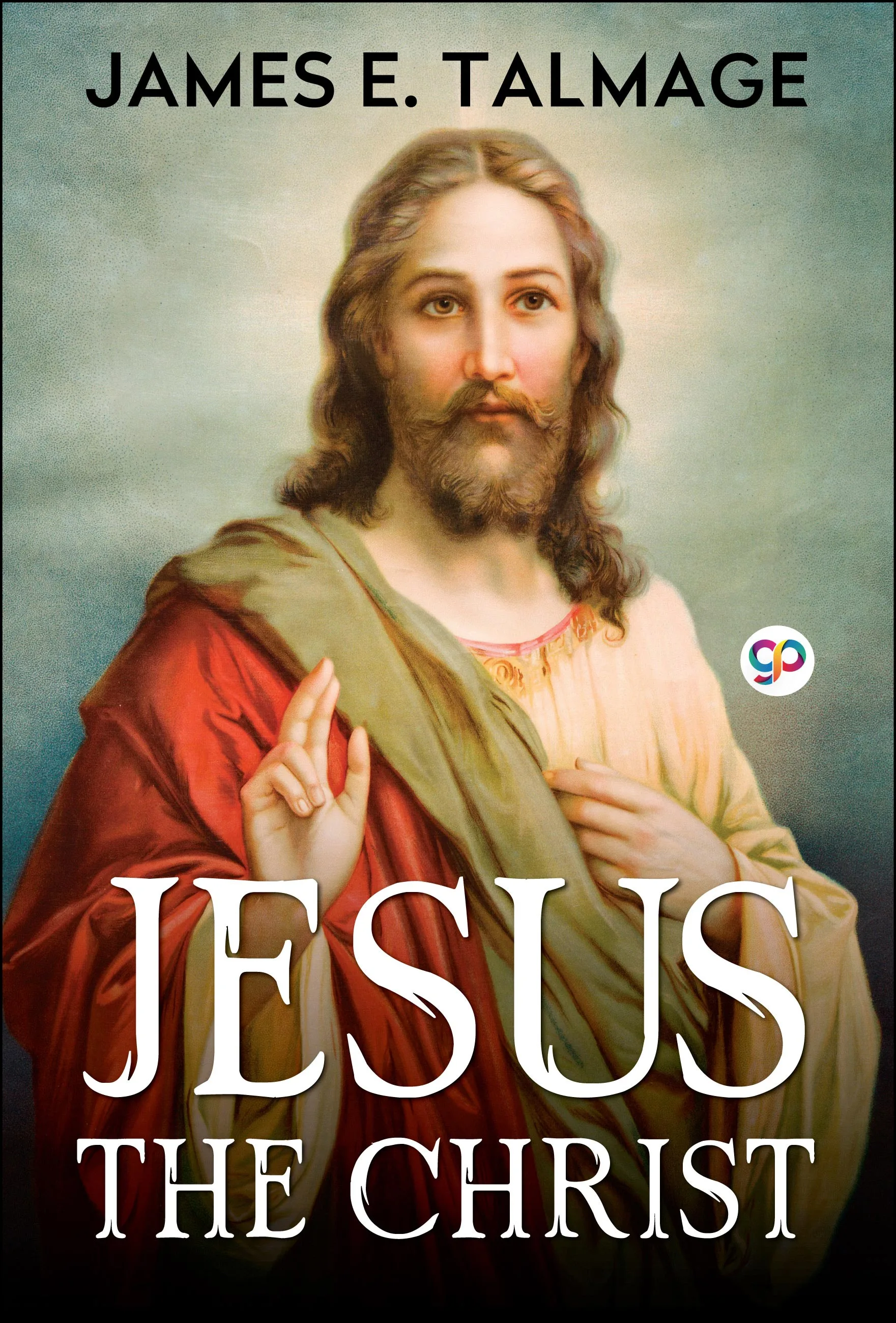
Download Cover Image
Do you want to download the full cover image for Jesus the Christ: A Study of the Messiah and His Mission?