
Leaves of Grass
eBook
• INR 70.00
• English
• 9789389716108
No ratings yet
| Publisher | General Press |
|---|---|
| ISBN13 | 9789389716108 |
| ASIN/SKU | B084BS4NNN |
| Book Format | eBook |
| Language | English |
| List Price | INR 70.00 |
| Subject Code | POE005010, POE023030 |
| Publishing Date | 29/01/2020 |
| Book Code | BD00068658 |
Buy this Book
Amazon Stores
Ebook Stores
Other Stores
Discover Leaves of Grass by Walt Whitman. This book is published by General Press in eBook format, ISBN 9789389716108, ASIN B084BS4NNN, under Literature and Fiction, Poetry.
Book Description
Published at the author's expense on July 4, 1855,'Leaves of Grass' inaugurated a new voice and style into American letters and gave expression to an optimistic, bombastic vision that took the nation as its subject. Showing the influence of a uniquely American form of mysticism known as Transcendentalism, which eschewed the general society and culture of the time, the writing is distinguished by an explosively innovative free verse style and previously unmentionable subject matter. Whitman continued evolving ‘Leaves of Grass’ despite the controversy, growing his influential work decades after its first appearance by adding new poems with each new printing.
Ralph Waldo Emerson found it, "the most extraordinary piece of wit and wisdom that America has yet produced."
Ralph Waldo Emerson found it, "the most extraordinary piece of wit and wisdom that America has yet produced."
Author Biography
Walt Whitman (1819–1892) was one of America's most influential poets, celebrated for transforming modern poetry with his bold, free-flowing style and deep appreciation for humanity. Often called the "Father of Free Verse," Whitman rejected many traditional poetic forms, choosing instead to write in a voice that was expansive, personal, and inclusive. His work celebrated individual freedom, democracy, nature, and the shared experiences that unite all people, making him one of the defining literary figures of the nineteenth century.
Whitman was born on May 31, 1819, in West Hills, Long Island, New York, and grew up in Brooklyn. Raised in a working-class family, he received only a limited formal education before beginning work at a young age. Over the years, he held many jobs, including printer's apprentice, schoolteacher, journalist, newspaper editor, and government clerk. These varied experiences brought him into close contact with people from all walks of life, enriching the compassionate and democratic spirit that would later define his poetry.
In 1855, Whitman published the first edition of Leaves of Grass, a groundbreaking collection that revolutionized American literature. Unlike the formal poetry of his time, the book embraced long, rhythmic lines and celebrated the beauty of ordinary life. Whitman continued revising and expanding Leaves of Grass throughout his life, turning it into a lifelong artistic project. His famous poems, including "Song of Myself," "I Sing the Body Electric," and "O Captain! My Captain!," explore themes of identity, love, death, equality, and the spiritual connection between individuals and the natural world.
During the American Civil War, Whitman volunteered in military hospitals, caring for wounded soldiers. The suffering he witnessed deeply affected him and inspired some of his most moving poetry and prose, emphasizing compassion, sacrifice, and national healing.
Whitman spent his later years in Camden, New Jersey, where he continued writing despite declining health. He died on March 26, 1892, leaving behind a literary legacy that reshaped poetry forever. Today, Walt Whitman is remembered not only for his innovative style but also for his unwavering belief in human dignity, freedom, and the limitless potential of the individual. His works continue to inspire readers across the world with their optimism, emotional depth, and celebration of life in all its diversity.
Whitman was born on May 31, 1819, in West Hills, Long Island, New York, and grew up in Brooklyn. Raised in a working-class family, he received only a limited formal education before beginning work at a young age. Over the years, he held many jobs, including printer's apprentice, schoolteacher, journalist, newspaper editor, and government clerk. These varied experiences brought him into close contact with people from all walks of life, enriching the compassionate and democratic spirit that would later define his poetry.
In 1855, Whitman published the first edition of Leaves of Grass, a groundbreaking collection that revolutionized American literature. Unlike the formal poetry of his time, the book embraced long, rhythmic lines and celebrated the beauty of ordinary life. Whitman continued revising and expanding Leaves of Grass throughout his life, turning it into a lifelong artistic project. His famous poems, including "Song of Myself," "I Sing the Body Electric," and "O Captain! My Captain!," explore themes of identity, love, death, equality, and the spiritual connection between individuals and the natural world.
During the American Civil War, Whitman volunteered in military hospitals, caring for wounded soldiers. The suffering he witnessed deeply affected him and inspired some of his most moving poetry and prose, emphasizing compassion, sacrifice, and national healing.
Whitman spent his later years in Camden, New Jersey, where he continued writing despite declining health. He died on March 26, 1892, leaving behind a literary legacy that reshaped poetry forever. Today, Walt Whitman is remembered not only for his innovative style but also for his unwavering belief in human dignity, freedom, and the limitless potential of the individual. His works continue to inspire readers across the world with their optimism, emotional depth, and celebration of life in all its diversity.
Editorial Reviews
Editorial Reviews will be added soon…
Book Summary
Book Summary will be added soon…
Sample Chapters
Sample Chapters will be added soon…
Reader Reviews
No reviews yet.
Leaves of Grass
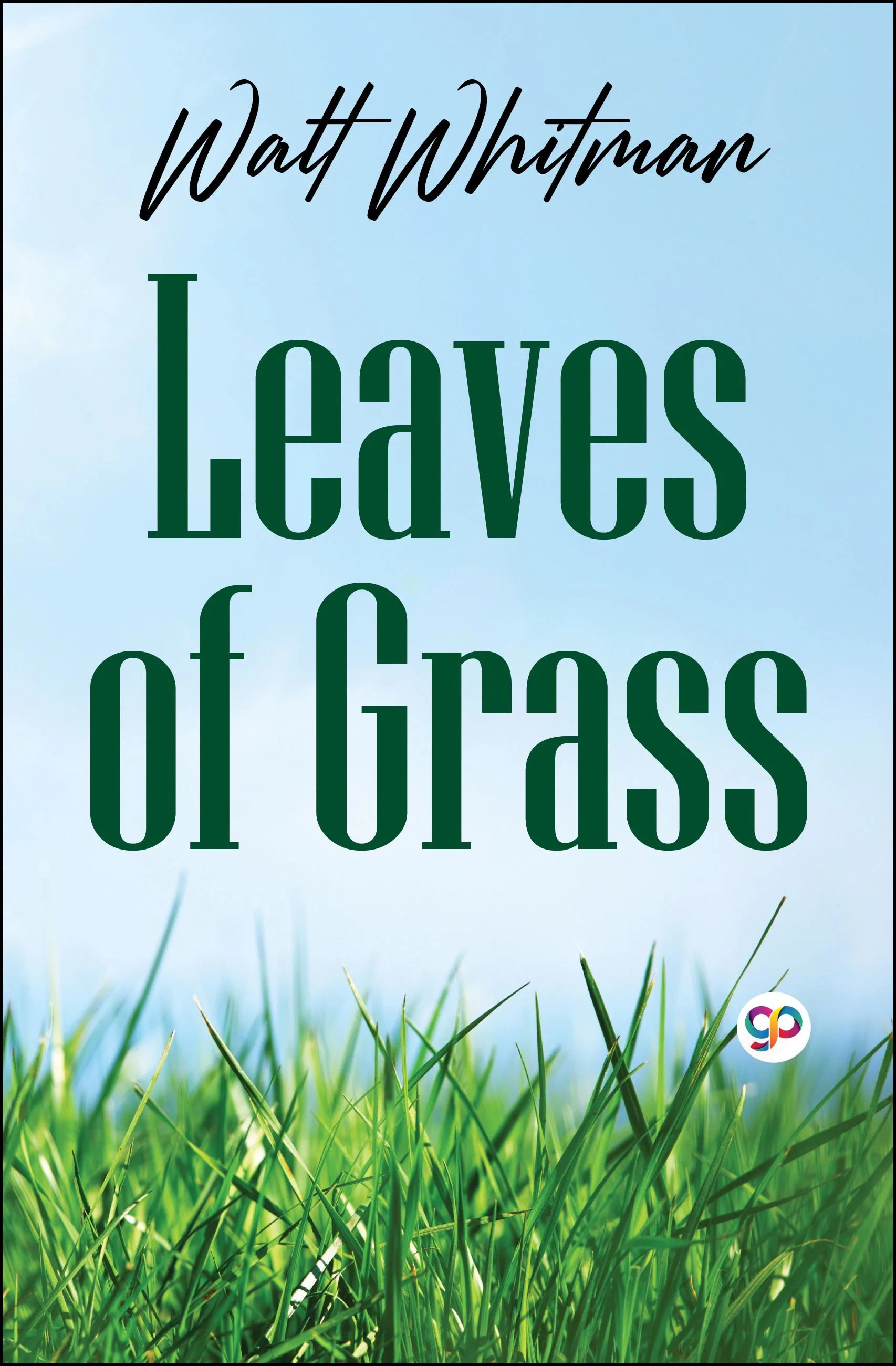
Download Cover Image
Do you want to download the full cover image for Leaves of Grass?