
Freedom of the Will
eBook
• INR 70.00
• English
• 9788194764854
No ratings yet
| Publisher | General Press |
|---|---|
| ISBN13 | 9788194764854 |
| ASIN/SKU | B08KJQZ89J |
| Book Format | eBook |
| Language | English |
| List Price | INR 70.00 |
| Subject Code | REL067020, REL067080 |
| Publishing Date | 08/10/2020 |
| Book Code | BD00068731 |
Buy this Book
Amazon Stores
Ebook Stores
Other Stores
Discover Freedom of the Will by Jonathan Edwards. This book is published by General Press in eBook format, ISBN 9788194764854, ASIN B08KJQZ89J, under Christian Books and Bibles, Theology, Christianity.
Book Description
In this book, Jonathan Edwards explains how God repairs and redeems the flaws of humankind by being an extension of the human being's free will. A superb and evocative treatise, Edwards draws on his knowledge of both theology and philosophy to deliver a convincing examination of the human soul. What is the nature of morality? Can God be evil? What constitutes sin? How does Gods foreknowledge of all events impact concepts of morality? How does intent inform our acts of vice and virtue? Still controversial and hotly debated in the 21st century, this demanding evangelistic worksome call it the best argument for the sovereignty of God is among the essential reading of the thinker whose philosophies inspired the 18th-century religious of the Great Awakening, which continues to hugely influence American Protestantism to this day. Edwards argues that God's divine will is a necessary and inseparable part of what it is to be human, it shapes and guides the very destiny of individuals. The reasoning of man pales in comparison to the essential truths of God's will in relation to morality and will.
Author Biography
Jonathan Edwards (1703–1758) was an American theologian, philosopher, preacher, and educator whose profound influence helped shape the course of Protestant Christianity in North America. Widely regarded as one of the greatest religious thinkers in American history, Edwards combined intellectual brilliance with deep spiritual conviction. His sermons, theological writings, and philosophical works continue to be studied for their insight into faith, human nature, and the relationship between reason and religion.
Born on October 5, 1703, in East Windsor, Connecticut, Edwards was raised in a devout Puritan family that placed great importance on education and religious devotion. A gifted student from an early age, he entered Yale College at just thirteen years old. There, he developed a keen interest in philosophy, science, and theology, drawing inspiration from both classical thinkers and contemporary philosophers such as John Locke. His exceptional intellect and disciplined study laid the foundation for a lifetime of scholarship.
After completing his education, Edwards began his ministry and eventually became pastor of the church in Northampton, Massachusetts, succeeding his grandfather, Solomon Stoddard. His thoughtful preaching and emphasis on heartfelt religious experience made him a central figure in the First Great Awakening, a widespread religious revival that swept through the American colonies during the 1730s and 1740s. His famous sermon, Sinners in the Hands of an Angry God (1741), became one of the best-known sermons in American history. Although remembered for its vivid imagery, Edwards' broader body of work emphasized God's grace, the beauty of faith, and the transformation of the human heart through genuine spiritual renewal.
Beyond the pulpit, Edwards was a prolific writer whose works include Religious Affections, Freedom of the Will, The Nature of True Virtue, and numerous theological essays. He explored profound questions about morality, free will, divine sovereignty, and the nature of religious experience, blending careful philosophical reasoning with deep biblical scholarship. His writings influenced later theologians, philosophers, and religious leaders in both America and Europe.
In 1758, Edwards accepted the presidency of the College of New Jersey, now Princeton University. Shortly after taking office, he died from complications following a smallpox inoculation, ending a remarkable career devoted to faith and learning.
Today, Jonathan Edwards is remembered as one of America's greatest theologians and intellectuals. His enduring legacy lies in his ability to unite rigorous scholarship with passionate spirituality, inspiring generations of readers to reflect deeply on faith, reason, morality, and the human search for God.
Born on October 5, 1703, in East Windsor, Connecticut, Edwards was raised in a devout Puritan family that placed great importance on education and religious devotion. A gifted student from an early age, he entered Yale College at just thirteen years old. There, he developed a keen interest in philosophy, science, and theology, drawing inspiration from both classical thinkers and contemporary philosophers such as John Locke. His exceptional intellect and disciplined study laid the foundation for a lifetime of scholarship.
After completing his education, Edwards began his ministry and eventually became pastor of the church in Northampton, Massachusetts, succeeding his grandfather, Solomon Stoddard. His thoughtful preaching and emphasis on heartfelt religious experience made him a central figure in the First Great Awakening, a widespread religious revival that swept through the American colonies during the 1730s and 1740s. His famous sermon, Sinners in the Hands of an Angry God (1741), became one of the best-known sermons in American history. Although remembered for its vivid imagery, Edwards' broader body of work emphasized God's grace, the beauty of faith, and the transformation of the human heart through genuine spiritual renewal.
Beyond the pulpit, Edwards was a prolific writer whose works include Religious Affections, Freedom of the Will, The Nature of True Virtue, and numerous theological essays. He explored profound questions about morality, free will, divine sovereignty, and the nature of religious experience, blending careful philosophical reasoning with deep biblical scholarship. His writings influenced later theologians, philosophers, and religious leaders in both America and Europe.
In 1758, Edwards accepted the presidency of the College of New Jersey, now Princeton University. Shortly after taking office, he died from complications following a smallpox inoculation, ending a remarkable career devoted to faith and learning.
Today, Jonathan Edwards is remembered as one of America's greatest theologians and intellectuals. His enduring legacy lies in his ability to unite rigorous scholarship with passionate spirituality, inspiring generations of readers to reflect deeply on faith, reason, morality, and the human search for God.
Editorial Reviews
Editorial Reviews will be added soon…
Book Summary
Book Summary will be added soon…
Sample Chapters
Sample Chapters will be added soon…
Reader Reviews
No reviews yet.
Freedom of the Will
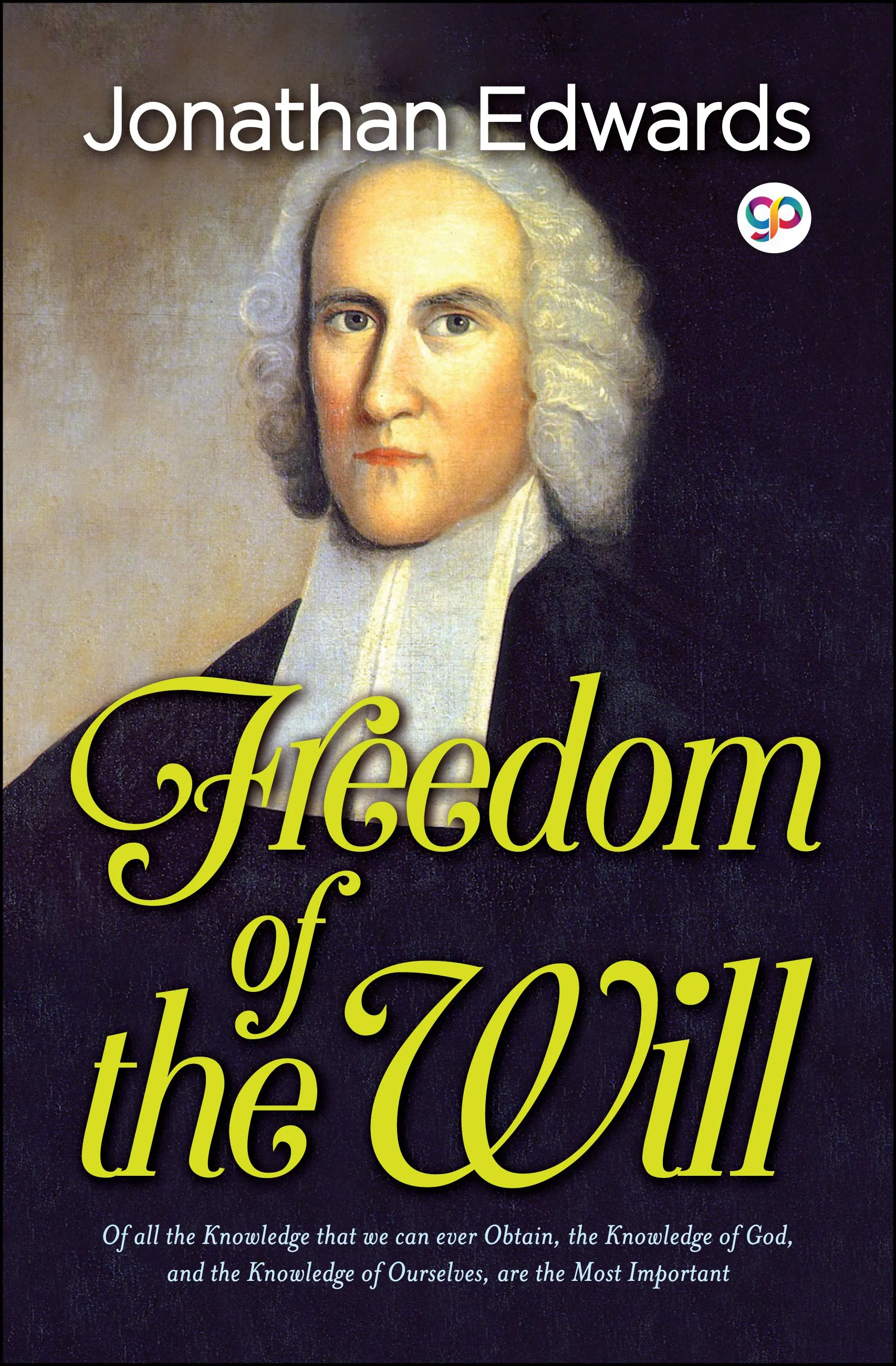
Download Cover Image
Do you want to download the full cover image for Freedom of the Will?